 Add to Chrome
 Add to Firefox
 Add to Edge
Data-driven techniques for translational neuroscience and personalized neuro-health
Aug 13, 2026
Neurodegenexrative diseases such as Alzheimer's disease and Parkinson's disease are diagnosed most reliably only after substantial, often irreversible, neuronal loss has already occurred, creating an urgent need for quantitative tools that can detect subtle, early, and individual-specific brain changes from neuroimaging data. This review surveys a broad and rapidly evolving toolkit of data-driven techniques for translational neuroscience and personalized neuro-health, organized around four complementary methodological pillars. Throughout, we emphasize how these methodologically diverse approaches converge on a common translational goal: personalized, mechanistically grounded, and clinically actionable models of individual brain health, and we close by discussing the principal open statistical, computational, and clinical challenges that remain.

Using Deep Neural Networks to Translate Multi-lingual Threat Intelligence
Jul 19, 2018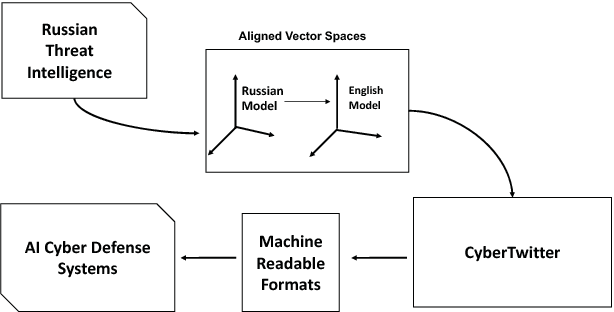
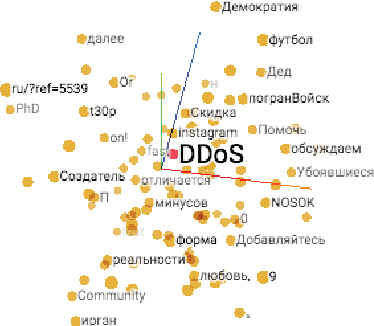
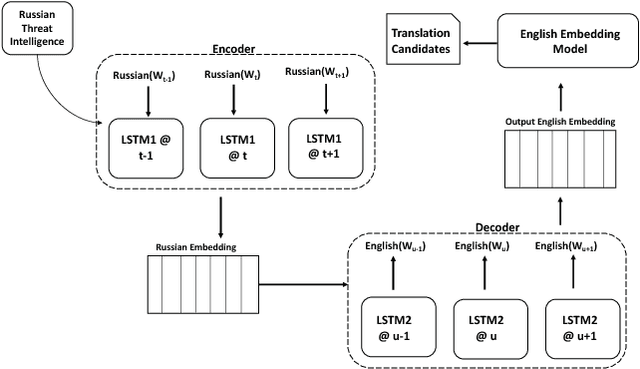
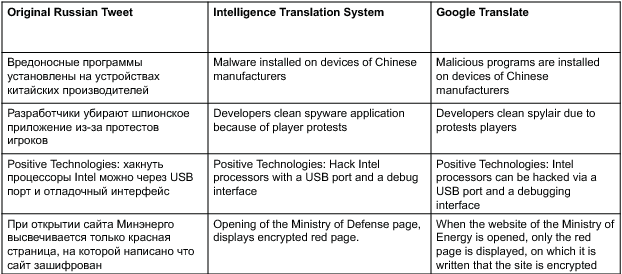
The multilingual nature of the Internet increases complications in the cybersecurity community's ongoing efforts to strategically mine threat intelligence from OSINT data on the web. OSINT sources such as social media, blogs, and dark web vulnerability markets exist in diverse languages and hinder security analysts, who are unable to draw conclusions from intelligence in languages they don't understand. Although third party translation engines are growing stronger, they are unsuited for private security environments. First, sensitive intelligence is not a permitted input to third party engines due to privacy and confidentiality policies. In addition, third party engines produce generalized translations that tend to lack exclusive cybersecurity terminology. In this paper, we address these issues and describe our system that enables threat intelligence understanding across unfamiliar languages. We create a neural network based system that takes in cybersecurity data in a different language and outputs the respective English translation. The English translation can then be understood by an analyst, and can also serve as input to an AI based cyber-defense system that can take mitigative action. As a proof of concept, we have created a pipeline which takes Russian threats and generates its corresponding English, RDF, and vectorized representations. Our network optimizes translations on specifically, cybersecurity data.