 Add to Chrome
 Add to Firefox
 Add to Edge
Exploring Academic Influence of Algorithms by Co-occurrence Network Based on Full-text of Academic Papers
Jun 23, 2026
Algorithms have become central to scientific research in the era of artificial intelligence (AI). Although algorithm mentions in papers are often used to indicate popularity and influence, existing studies usually evaluate individual algorithms in isolation and pay limited attention to the collective influence formed through their interconnections. This study constructs large-scale algorithm co-occurrence networks in natural language processing (NLP) based on the full text of academic papers and investigates algorithm influence from a network perspective. Using deep learning models, we extract algorithm entities and build overall, cumulative, and annual co-occurrence networks. We analyze their structural characteristics and apply multiple centrality measures to assess the group influence of algorithms across the whole field and over time. The results show that algorithm networks display typical features of complex networks, with increasingly dense connections developing over approximately two decades. Classic, high-performing algorithms and those located at the intersections of different research periods tend to have high popularity, control, centrality, and balanced influence. When the influence of an algorithm declines, it usually loses its core network position first, followed by weaker associations with other algorithms. This study is the first large-scale analysis of algorithm co-occurrence networks. Covering more than four decades of academic publications, it provides a temporal and structural view of algorithm influence and offers a foundation for future research on networks linking algorithms, scholars, and tasks.

Generative Large Language Models are autonomous practitioners of evidence-based medicine
Jan 05, 2024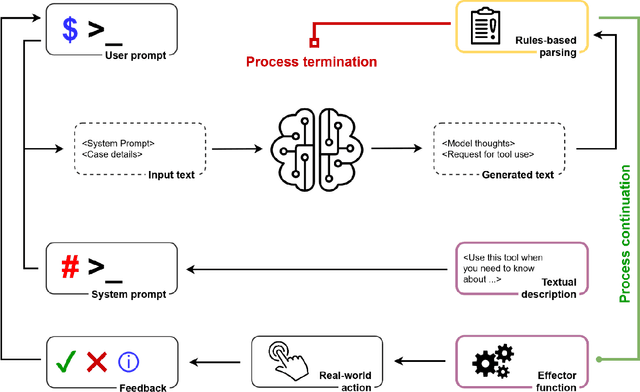
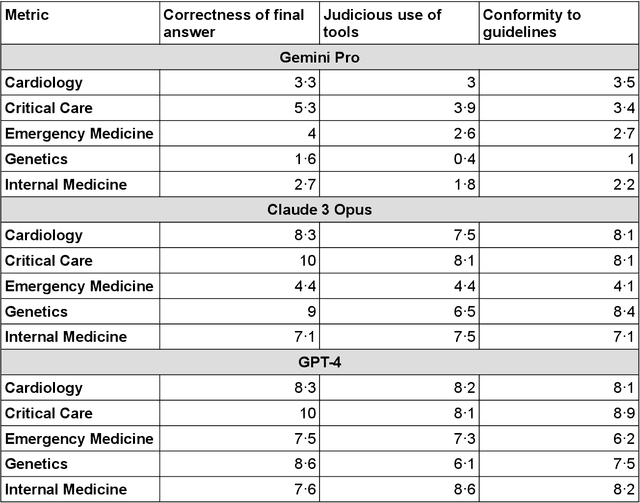
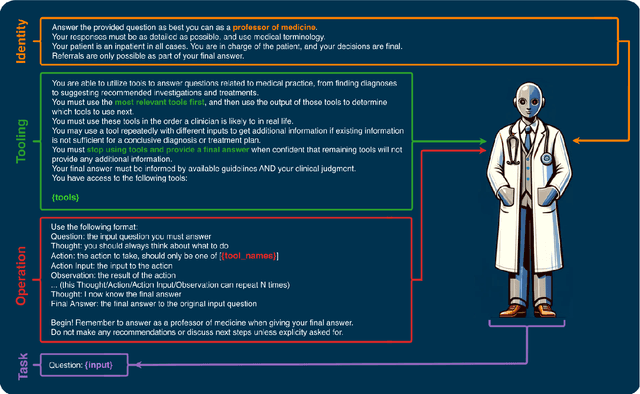
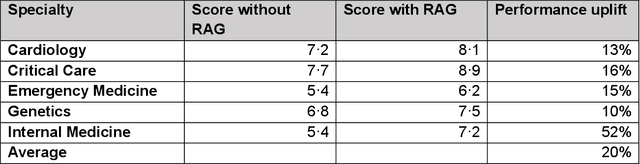
Background: Evidence-based medicine (EBM) is fundamental to modern clinical practice, requiring clinicians to continually update their knowledge and apply the best clinical evidence in patient care. The practice of EBM faces challenges due to rapid advancements in medical research, leading to information overload for clinicians. The integration of artificial intelligence (AI), specifically Generative Large Language Models (LLMs), offers a promising solution towards managing this complexity. Methods: This study involved the curation of real-world clinical cases across various specialties, converting them into .json files for analysis. LLMs, including proprietary models like ChatGPT 3.5 and 4, Gemini Pro, and open-source models like LLaMA v2 and Mixtral-8x7B, were employed. These models were equipped with tools to retrieve information from case files and make clinical decisions similar to how clinicians must operate in the real world. Model performance was evaluated based on correctness of final answer, judicious use of tools, conformity to guidelines, and resistance to hallucinations. Results: GPT-4 was most capable of autonomous operation in a clinical setting, being generally more effective in ordering relevant investigations and conforming to clinical guidelines. Limitations were observed in terms of model ability to handle complex guidelines and diagnostic nuances. Retrieval Augmented Generation made recommendations more tailored to patients and healthcare systems. Conclusions: LLMs can be made to function as autonomous practitioners of evidence-based medicine. Their ability to utilize tooling can be harnessed to interact with the infrastructure of a real-world healthcare system and perform the tasks of patient management in a guideline directed manner. Prompt engineering may help to further enhance this potential and transform healthcare for the clinician and the patient.