 Add to Chrome
 Add to Firefox
 Add to Edge
Measuring AI R&D Automation
Mar 05, 2026
The automation of AI R&D (AIRDA) could have significant implications, but its extent and ultimate effects remain uncertain. We need empirical data to resolve these uncertainties, but existing data (primarily capability benchmarks) may not reflect real-world automation or capture its broader consequences, such as whether AIRDA accelerates capabilities more than safety progress or whether our ability to oversee AI R&D can keep pace with its acceleration. To address these gaps, this work proposes metrics to track the extent of AIRDA and its effects on AI progress and oversight. The metrics span dimensions such as capital share of AI R&D spending, researcher time allocation, and AI subversion incidents, and could help decision makers understand the potential consequences of AIRDA, implement appropriate safety measures, and maintain awareness of the pace of AI development. We recommend that companies and third parties (e.g. non-profit research organisations) start to track these metrics, and that governments support these efforts.

Societal Adaptation to Advanced AI
May 16, 2024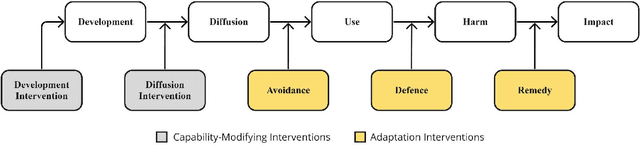
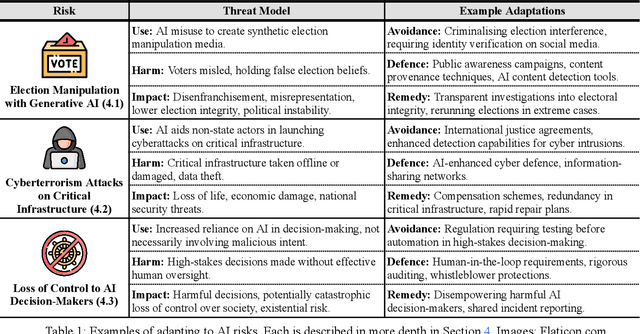
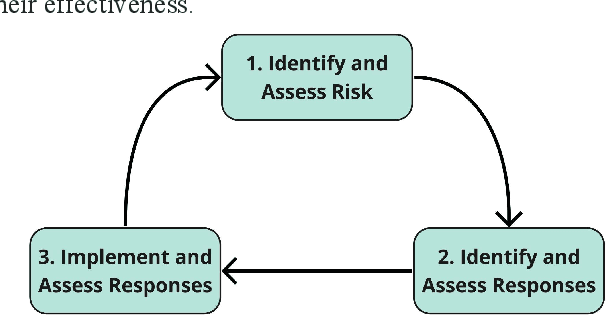
Existing strategies for managing risks from advanced AI systems often focus on affecting what AI systems are developed and how they diffuse. However, this approach becomes less feasible as the number of developers of advanced AI grows, and impedes beneficial use-cases as well as harmful ones. In response, we urge a complementary approach: increasing societal adaptation to advanced AI, that is, reducing the expected negative impacts from a given level of diffusion of a given AI capability. We introduce a conceptual framework which helps identify adaptive interventions that avoid, defend against and remedy potentially harmful uses of AI systems, illustrated with examples in election manipulation, cyberterrorism, and loss of control to AI decision-makers. We discuss a three-step cycle that society can implement to adapt to AI. Increasing society's ability to implement this cycle builds its resilience to advanced AI. We conclude with concrete recommendations for governments, industry, and third-parties.