 Add to Chrome
 Add to Firefox
 Add to Edge
Engineering Regression Without Real-Data Training: Domain Adaptation for Tabular Foundation Models Using Multi-Dataset Embeddings
Mar 05, 2026
Predictive modeling in engineering applications has long been dominated by bespoke models and small, siloed tabular datasets, limiting the applicability of large-scale learning approaches. Despite recent progress in tabular foundation models, the resulting synthetic training distributions used for pre-training may not reflect the statistical structure of engineering data, limiting transfer to engineering regression. We introduce TREDBench, a curated collection of 83 real-world tabular regression datasets with expert engineering/non-engineering labels, and use TabPFN 2.5's dataset-level embedding to study domain structure in a common representation space. We find that engineering datasets are partially distinguishable from non-engineering datasets, while standard procedurally generated datasets are highly distinguishable from engineering datasets, revealing a substantial synthetic-real domain gap. To bridge this gap without training on real engineering samples, we propose an embedding-guided synthetic data curation method: we generate and identify "engineering-like" synthetic datasets, and perform continued pre-training of TabPFN 2.5 using only the selected synthetic tasks. Across 35 engineering regression datasets, this synthetic-only adaptation improves predictive accuracy and data efficiency, outperforming TabPFN 2.5 on 29/35 datasets and AutoGluon on 27/35, with mean multiplicative data-efficiency gains of 1.75x and 4.44x, respectively. More broadly, our results indicate that principled synthetic data curation can convert procedural generators into domain-relevant "data engines," enabling foundation models to improve in data-sparse scientific and industrial domains where real data collection is the primary bottleneck.

From Concept to Manufacturing: Evaluating Vision-Language Models for Engineering Design
Nov 21, 2023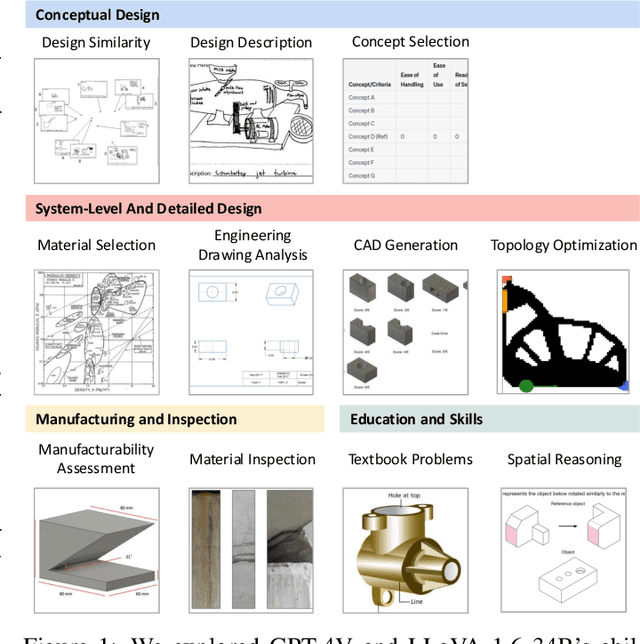
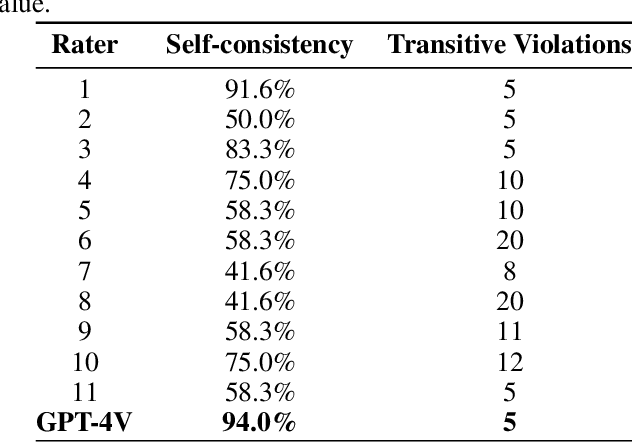
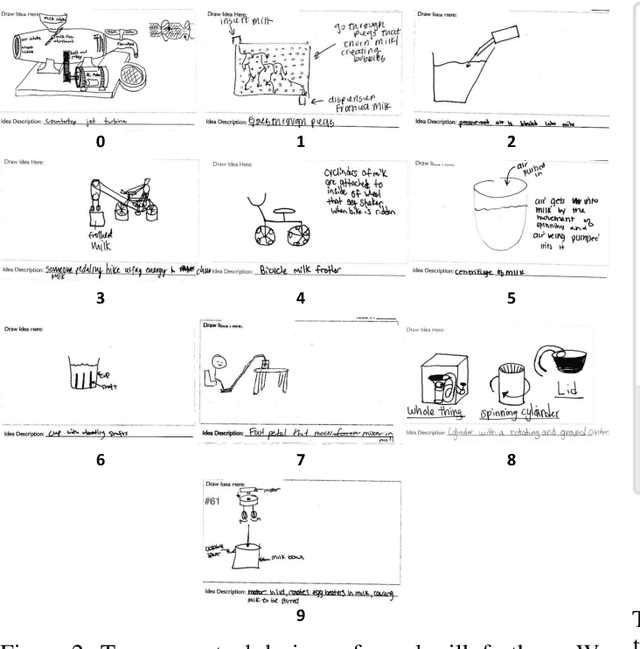
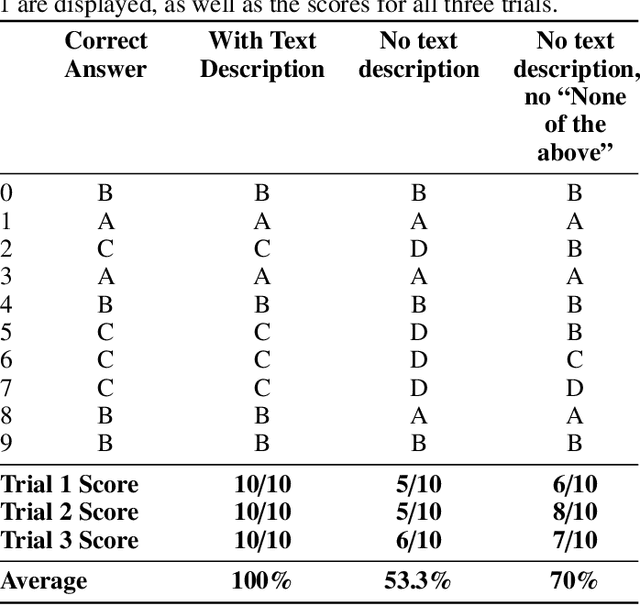
Engineering Design is undergoing a transformative shift with the advent of AI, marking a new era in how we approach product, system, and service planning. Large language models have demonstrated impressive capabilities in enabling this shift. Yet, with text as their only input modality, they cannot leverage the large body of visual artifacts that engineers have used for centuries and are accustomed to. This gap is addressed with the release of multimodal vision language models, such as GPT-4V, enabling AI to impact many more types of tasks. In light of these advancements, this paper presents a comprehensive evaluation of GPT-4V, a vision language model, across a wide spectrum of engineering design tasks, categorized into four main areas: Conceptual Design, System-Level and Detailed Design, Manufacturing and Inspection, and Engineering Education Tasks. Our study assesses GPT-4V's capabilities in design tasks such as sketch similarity analysis, concept selection using Pugh Charts, material selection, engineering drawing analysis, CAD generation, topology optimization, design for additive and subtractive manufacturing, spatial reasoning challenges, and textbook problems. Through this structured evaluation, we not only explore GPT-4V's proficiency in handling complex design and manufacturing challenges but also identify its limitations in complex engineering design applications. Our research establishes a foundation for future assessments of vision language models, emphasizing their immense potential for innovating and enhancing the engineering design and manufacturing landscape. It also contributes a set of benchmark testing datasets, with more than 1000 queries, for ongoing advancements and applications in this field.
DATED: Guidelines for Creating Synthetic Datasets for Engineering Design Applications
May 15, 2023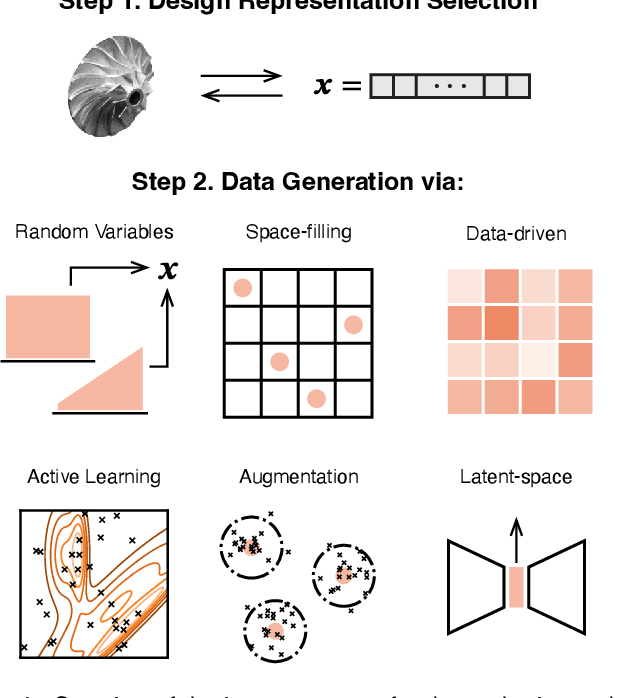
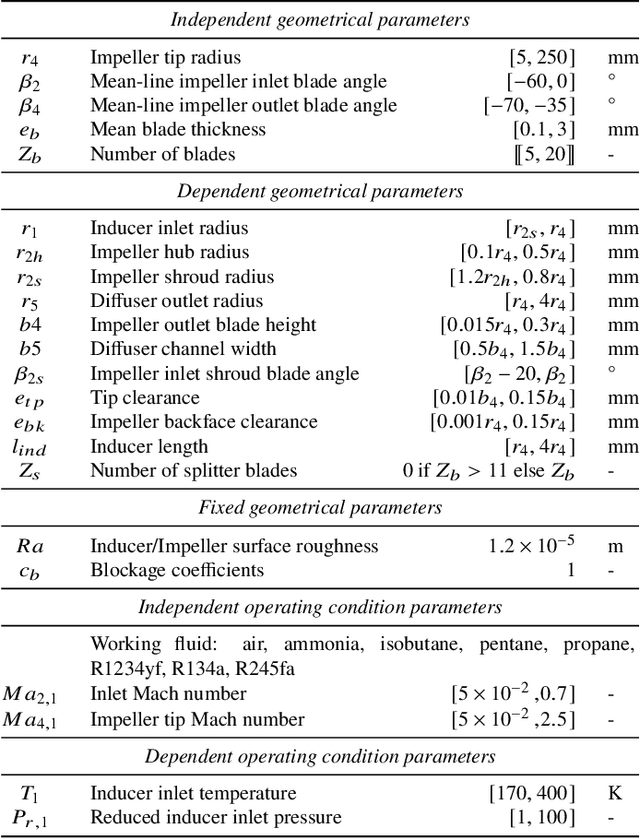
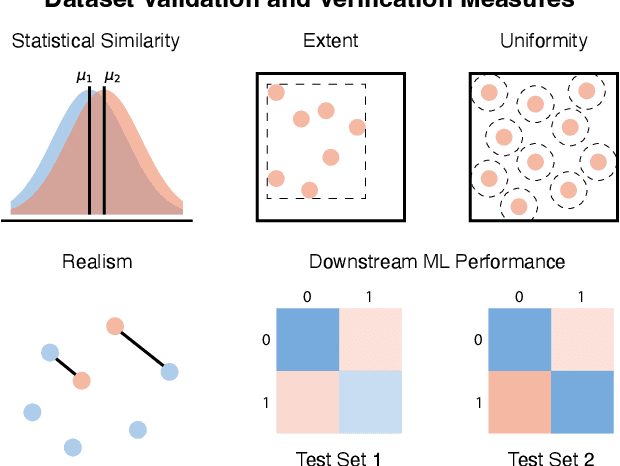
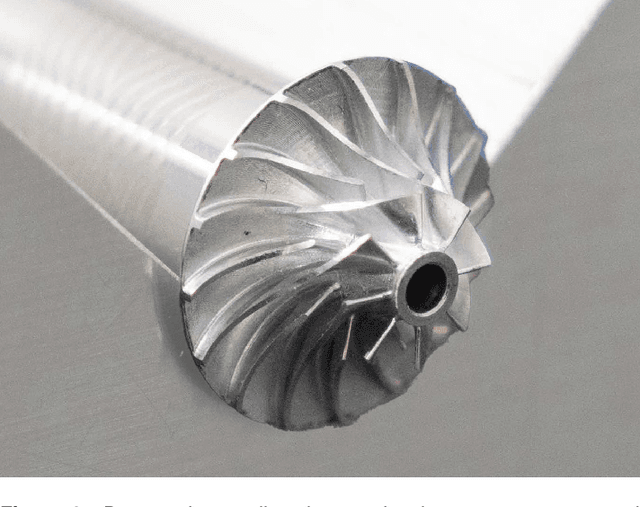
Exploiting the recent advancements in artificial intelligence, showcased by ChatGPT and DALL-E, in real-world applications necessitates vast, domain-specific, and publicly accessible datasets. Unfortunately, the scarcity of such datasets poses a significant challenge for researchers aiming to apply these breakthroughs in engineering design. Synthetic datasets emerge as a viable alternative. However, practitioners are often uncertain about generating high-quality datasets that accurately represent real-world data and are suitable for the intended downstream applications. This study aims to fill this knowledge gap by proposing comprehensive guidelines for generating, annotating, and validating synthetic datasets. The trade-offs and methods associated with each of these aspects are elaborated upon. Further, the practical implications of these guidelines are illustrated through the creation of a turbo-compressors dataset. The study underscores the importance of thoughtful sampling methods to ensure the appropriate size, diversity, utility, and realism of a dataset. It also highlights that design diversity does not equate to performance diversity or realism. By employing test sets that represent uniform, real, or task-specific samples, the influence of sample size and sampling strategy is scrutinized. Overall, this paper offers valuable insights for researchers intending to create and publish synthetic datasets for engineering design, thereby paving the way for more effective applications of AI advancements in the field. The code and data for the dataset and methods are made publicly accessible at https://github.com/cyrilpic/radcomp .