 Add to Chrome
 Add to Firefox
 Add to Edge
Knowledge Graph Extraction from Biomedical Literature for Alkaptonuria Rare Disease
Mar 16, 2026
Alkaptonuria (AKU) is an ultra-rare autosomal recessive metabolic disorder caused by mutations in the HGD (Homogentisate 1,2-Dioxygenase) gene, leading to a pathological accumulation of homogentisic acid (HGA) in body fluids and tissues. This leads to systemic manifestations, including premature spondyloarthropathy, renal and prostatic stones, and cardiovascular complications. Being ultra-rare, the amount of data related to the disease is limited, both in terms of clinical data and literature. Knowledge graphs (KGs) can help connect the limited knowledge about the disease (basic mechanisms, manifestations and existing therapies) with other knowledge; however, AKU is frequently underrepresented or entirely absent in existing biomedical KGs. In this work, we apply a text-mining methodology based on PubTator3 for large-scale extraction of biomedical relations. We construct two KGs of different sizes, validate them using existing biochemical knowledge and use them to extract genes, diseases and therapies possibly related to AKU. This computational framework reveals the systemic interactions of the disease, its comorbidities, and potential therapeutic targets, demonstrating the efficacy of our approach in analyzing rare metabolic disorders.

A Machine Learning Pipeline for Multiple Sclerosis Biomarker Discovery: Comparing explainable AI and Traditional Statistical Approaches
Sep 26, 2025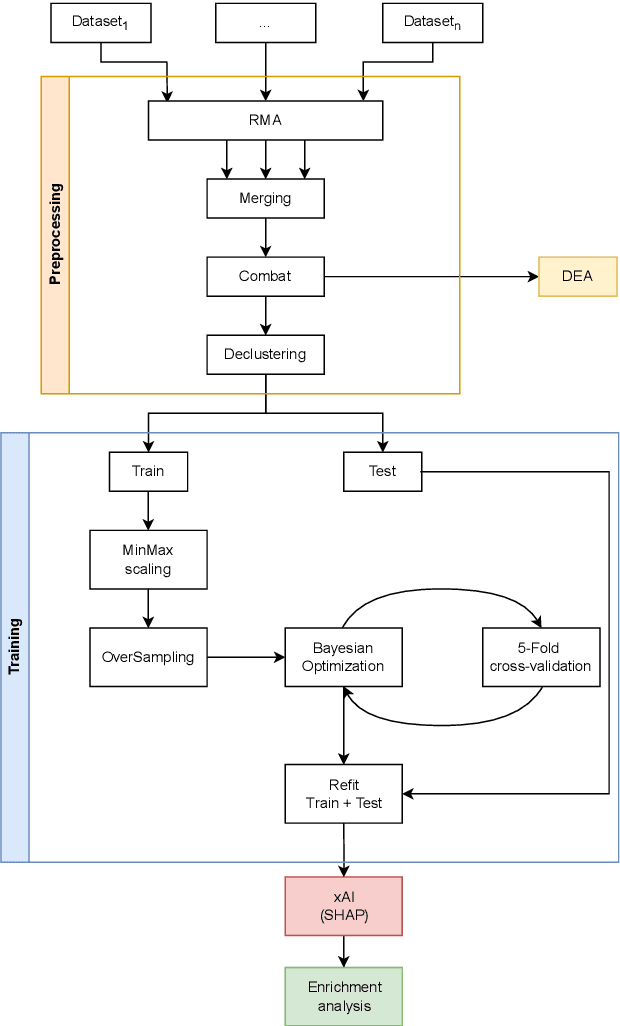
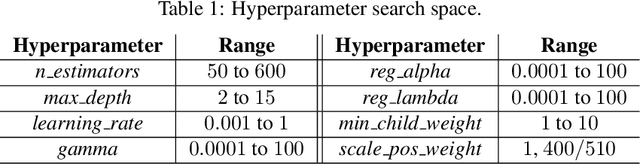
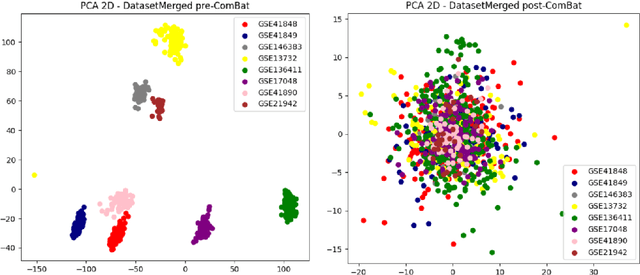
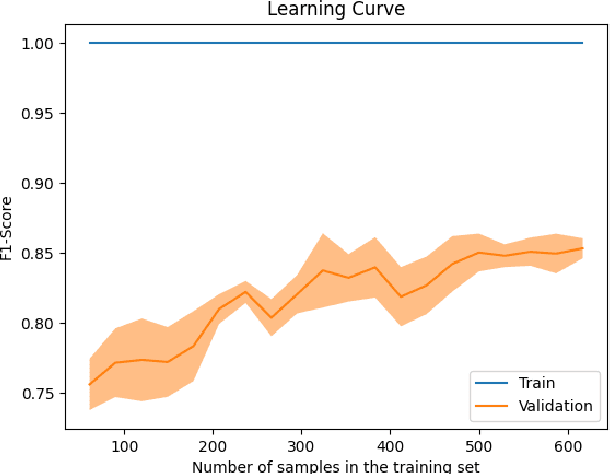
We present a machine learning pipeline for biomarker discovery in Multiple Sclerosis (MS), integrating eight publicly available microarray datasets from Peripheral Blood Mononuclear Cells (PBMC). After robust preprocessing we trained an XGBoost classifier optimized via Bayesian search. SHapley Additive exPlanations (SHAP) were used to identify key features for model prediction, indicating thus possible biomarkers. These were compared with genes identified through classical Differential Expression Analysis (DEA). Our comparison revealed both overlapping and unique biomarkers between SHAP and DEA, suggesting complementary strengths. Enrichment analysis confirmed the biological relevance of SHAP-selected genes, linking them to pathways such as sphingolipid signaling, Th1/Th2/Th17 cell differentiation, and Epstein-Barr virus infection all known to be associated with MS. This study highlights the value of combining explainable AI (xAI) with traditional statistical methods to gain deeper insights into disease mechanism.