 Add to Chrome
 Add to Firefox
 Add to Edge
Structured Personality Control and Adaptation for LLM Agents
Jan 15, 2026
Large Language Models (LLMs) are increasingly shaping human-computer interaction (HCI), from personalized assistants to social simulations. Beyond language competence, researchers are exploring whether LLMs can exhibit human-like characteristics that influence engagement, decision-making, and perceived realism. Personality, in particular, is critical, yet existing approaches often struggle to achieve both nuanced and adaptable expression. We present a framework that models LLM personality via Jungian psychological types, integrating three mechanisms: a dominant-auxiliary coordination mechanism for coherent core expression, a reinforcement-compensation mechanism for temporary adaptation to context, and a reflection mechanism that drives long-term personality evolution. This design allows the agent to maintain nuanced traits while dynamically adjusting to interaction demands and gradually updating its underlying structure. Personality alignment is evaluated using Myers-Briggs Type Indicator questionnaires and tested under diverse challenge scenarios as a preliminary structured assessment. Findings suggest that evolving, personality-aware LLMs can support coherent, context-sensitive interactions, enabling naturalistic agent design in HCI.

Applying Machine Learning To Maize Traits Prediction
Aug 20, 2018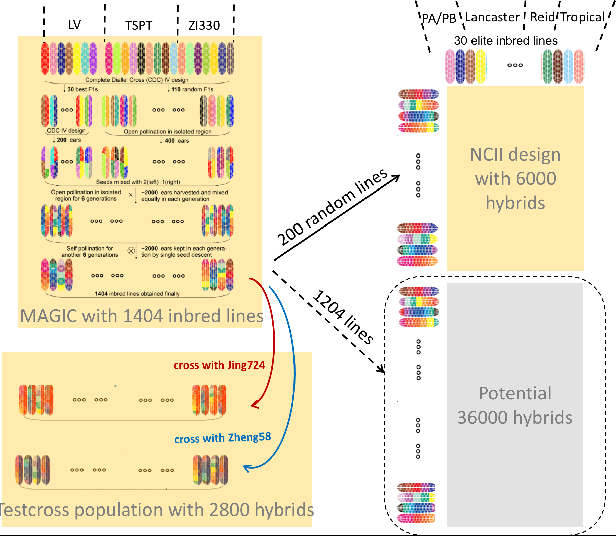
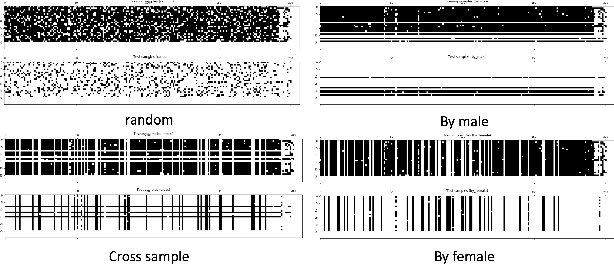
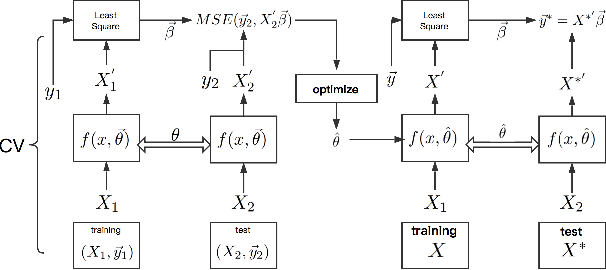
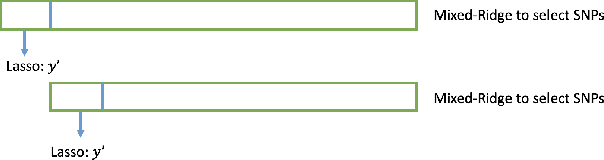
Heterosis is the improved or increased function of any biological quality in a hybrid offspring. We have studied yet the largest maize SNP dataset for traits prediction. We develop linear and non-linear models which consider relationships between different hybrids as well as other effect. Specially designed model proved to be efficient and robust in prediction maize's traits.
Deep Mask For X-ray Based Heart Disease Classification
Aug 19, 2018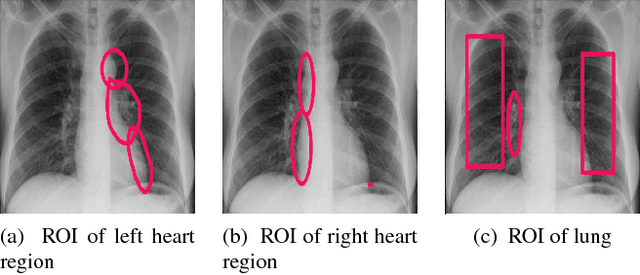
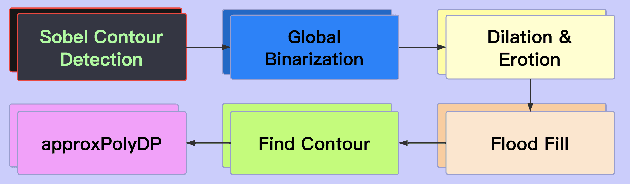
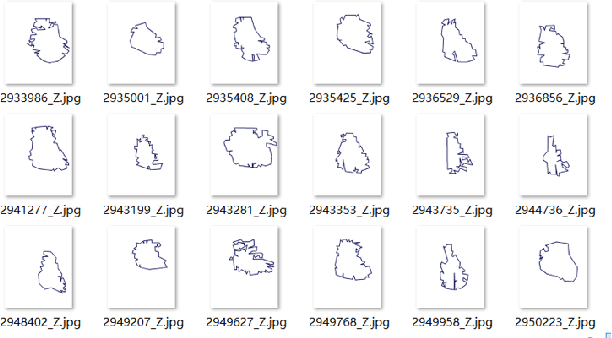
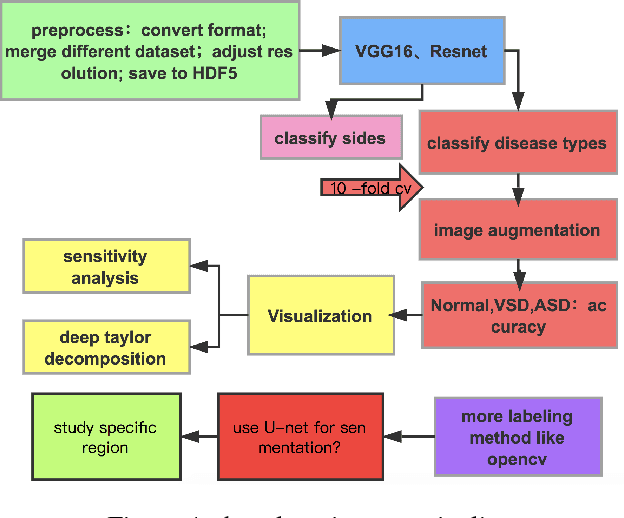
We build a deep learning model to detect and classify heart disease using $X-ray$. We collect data from several hospitals and public datasets. After preprocess we get 3026 images including disease type VSD, ASD, TOF and normal control. The main problem we have to solve is to enable the network to accurately learn the characteristics of the heart, to ensure the reliability of the network while increasing accuracy. By learning the doctor's diagnostic experience, labeling the image and using tools to extract masks of heart region, we train a U-net to generate a mask to give more attention. It forces the model to focus on the characteristics of the heart region and obtain more reliable results.