 Add to Chrome
 Add to Firefox
 Add to Edge
More Data, Fewer Diacritics: Scaling Arabic TTS
Mar 02, 2026
Arabic Text-to-Speech (TTS) research has been hindered by the availability of both publicly available training data and accurate Arabic diacritization models. In this paper, we address the limitation by exploring Arabic TTS training on large automatically annotated data. Namely, we built a robust pipeline for collecting Arabic recordings and processing them automatically using voice activity detection, speech recognition, automatic diacritization, and noise filtering, resulting in around 4,000 hours of Arabic TTS training data. We then trained several robust TTS models with voice cloning using varying amounts of data, namely 100, 1,000, and 4,000 hours with and without diacritization. We show that though models trained on diacritized data are generally better, larger amounts of training data compensate for the lack of diacritics to a significant degree. We plan to release a public Arabic TTS model that works without the need for diacritization.

Cybersecurity Challenges of Power Transformers
Feb 25, 2023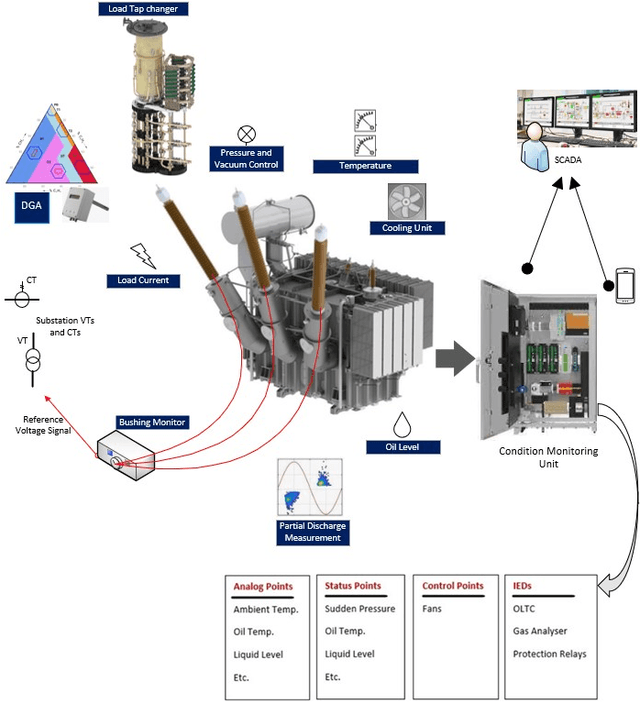
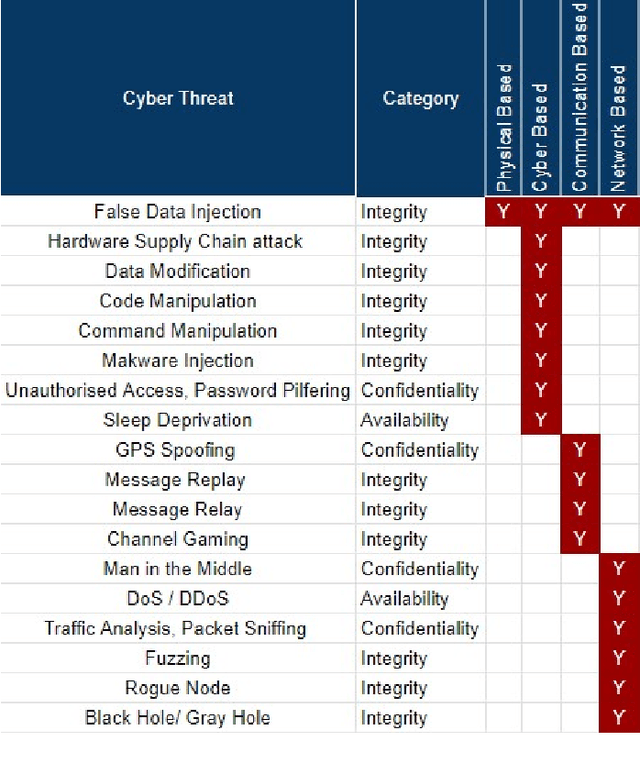
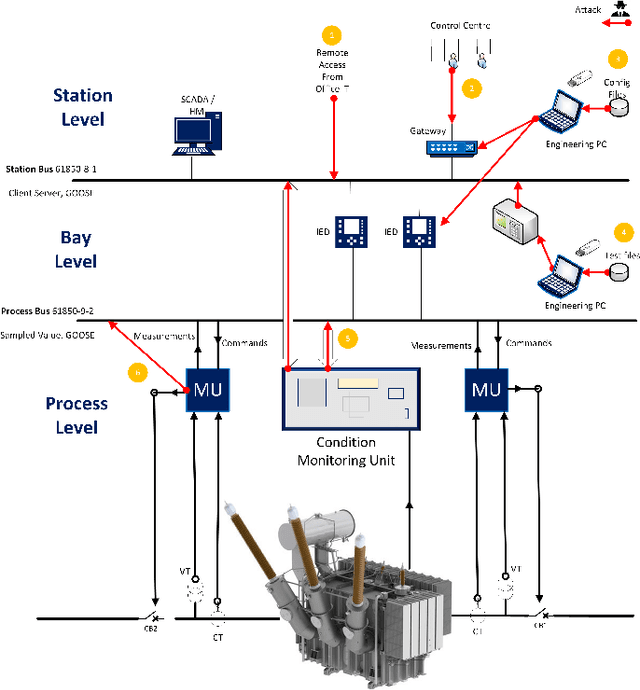
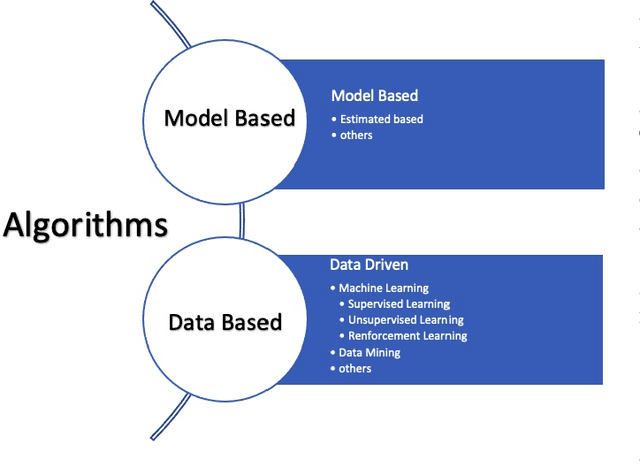
The rise of cyber threats on critical infrastructure and its potential for devastating consequences, has significantly increased. The dependency of new power grid technology on information, data analytic and communication systems make the entire electricity network vulnerable to cyber threats. Power transformers play a critical role within the power grid and are now commonly enhanced through factory add-ons or intelligent monitoring systems added later to improve the condition monitoring of critical and long lead time assets such as transformers. However, the increased connectivity of those power transformers opens the door to more cyber attacks. Therefore, the need to detect and prevent cyber threats is becoming critical. The first step towards that would be a deeper understanding of the potential cyber-attacks landscape against power transformers. Much of the existing literature pays attention to smart equipment within electricity distribution networks, and most methods proposed are based on model-based detection algorithms. Moreover, only a few of these works address the security vulnerabilities of power elements, especially transformers within the transmission network. To the best of our knowledge, there is no study in the literature that systematically investigate the cybersecurity challenges against the newly emerged smart transformers. This paper addresses this shortcoming by exploring the vulnerabilities and the attack vectors of power transformers within electricity networks, the possible attack scenarios and the risks associated with these attacks.