 Add to Chrome
 Add to Firefox
 Add to Edge
A Human-Inspired Thumb-Index Robotic Hand with Strain Gauges Embedded in Soft Joints
Jun 19, 2026
Human hand grasp adaptation depends mainly on the synergy between physical structure and biological feedback. Inspired by this biomechanical principle, the Safe Thumb-Index Robotic (STIR) Hand was developed as a minimal, lightweight, and low-cost two-digit prototype featuring an asymmetric thumb-index configuration. By pairing an underactuated, tendon-driven mechanical design with flexible strain gauges embedded into silicone-encapsulated soft joints, the system achieves passive grasp adaptation while establishing both internal proprioception and external perception. Unsupervised analysis was carried out on a dataset of the STIR hand grasping 20 different objects, along with an object classification task and an ablation study to highlight the contribution of the soft joint sensors. The object classification task discriminated object size, shape, and material stiffness with a high classification accuracy. In contrast to traditional industrial grippers and robotic hands, the STIR Hand demonstrates that sensorized compliant joints significantly improve overall sensitivity and ensure safe grasping, while remaining independent of additional fingertip tactile elements or external vision systems. Finally, a comparison to similar devices grasping identical objects validates the utility of the STIR Hand.

Designing a reliable and low-latency LoRaWAN solution for environmental monitoring in factories at major accident risk
Feb 17, 2022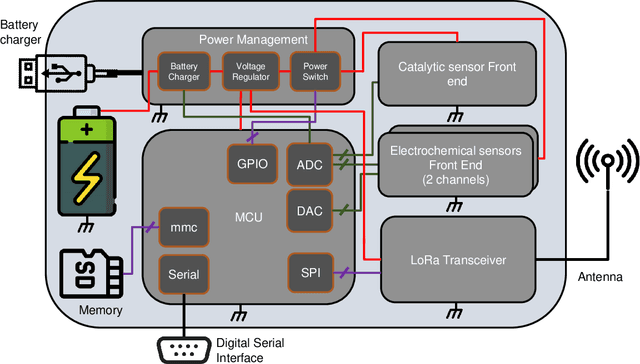

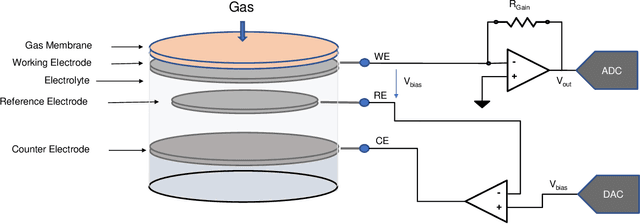
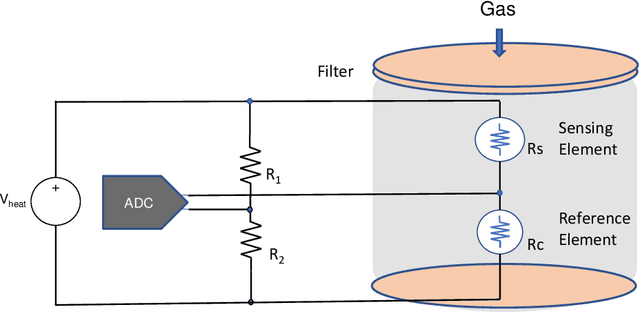
In this article, we propose a reliable and low-latency Long Range Wide Area Network (LoRaWAN) solution for environmental monitoring in factories at major accident risk (FMAR). In particular, a low power wearable device for sensing the toxic inflammable gases inside an industrial plant is designed with the purpose of avoiding peculiar risks and unwanted accidents to occur. Moreover, the detected data have to be urgently and reliably delivered to remote server to trigger preventive immediate actions so as to improve the machine operation. In these settings, LoRaWAN has been identified as the most proper communications technology to the needs owing to the availability of off the shelf devices and software. Hence, we assess the technological limits of LoRaWAN in terms of latency and reliability and we propose a fully LoRaWAN compliant solution to overcome these limits. The proposed solution envisages coordinated end device (ED) transmissions through the use of Downlink Control Packets (DCPs). Experimental results validate the proposed method in terms of service requirements for the considered FMAR scenario.