 Add to Chrome
 Add to Firefox
 Add to Edge
Automated Diagnosis of Cardiovascular Diseases from Cardiac Magnetic Resonance Imaging Using Deep Learning Models: A Review
Oct 26, 2022
In recent years, cardiovascular diseases (CVDs) have become one of the leading causes of mortality globally. CVDs appear with minor symptoms and progressively get worse. The majority of people experience symptoms such as exhaustion, shortness of breath, ankle swelling, fluid retention, and other symptoms when starting CVD. Coronary artery disease (CAD), arrhythmia, cardiomyopathy, congenital heart defect (CHD), mitral regurgitation, and angina are the most common CVDs. Clinical methods such as blood tests, electrocardiography (ECG) signals, and medical imaging are the most effective methods used for the detection of CVDs. Among the diagnostic methods, cardiac magnetic resonance imaging (CMR) is increasingly used to diagnose, monitor the disease, plan treatment and predict CVDs. Coupled with all the advantages of CMR data, CVDs diagnosis is challenging for physicians due to many slices of data, low contrast, etc. To address these issues, deep learning (DL) techniques have been employed to the diagnosis of CVDs using CMR data, and much research is currently being conducted in this field. This review provides an overview of the studies performed in CVDs detection using CMR images and DL techniques. The introduction section examined CVDs types, diagnostic methods, and the most important medical imaging techniques. In the following, investigations to detect CVDs using CMR images and the most significant DL methods are presented. Another section discussed the challenges in diagnosing CVDs from CMR data. Next, the discussion section discusses the results of this review, and future work in CVDs diagnosis from CMR images and DL techniques are outlined. The most important findings of this study are presented in the conclusion section.

Automatic Diagnosis of Myocarditis Disease in Cardiac MRI Modality using Deep Transformers and Explainable Artificial Intelligence
Oct 26, 2022


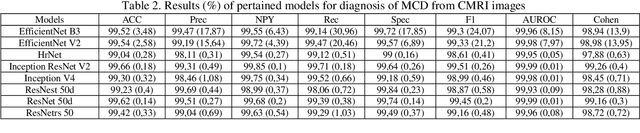
Myocarditis is among the most important cardiovascular diseases (CVDs), endangering the health of many individuals by damaging the myocardium. Microbes and viruses, such as HIV, play a vital role in myocarditis disease (MCD) incidence. Lack of MCD diagnosis in the early stages is associated with irreversible complications. Cardiac magnetic resonance imaging (CMRI) is highly popular among cardiologists to diagnose CVDs. In this paper, a deep learning (DL) based computer-aided diagnosis system (CADS) is presented for the diagnosis of MCD using CMRI images. The proposed CADS includes dataset, preprocessing, feature extraction, classification, and post-processing steps. First, the Z-Alizadeh dataset was selected for the experiments. The preprocessing step included noise removal, image resizing, and data augmentation (DA). In this step, CutMix, and MixUp techniques were used for the DA. Then, the most recent pre-trained and transformers models were used for feature extraction and classification using CMRI images. Our results show high performance for the detection of MCD using transformer models compared with the pre-trained architectures. Among the DL architectures, Turbulence Neural Transformer (TNT) architecture achieved an accuracy of 99.73% with 10-fold cross-validation strategy. Explainable-based Grad Cam method is used to visualize the MCD suspected areas in CMRI images.
Automatic Autism Spectrum Disorder Detection Using Artificial Intelligence Methods with MRI Neuroimaging: A Review
Jun 20, 2022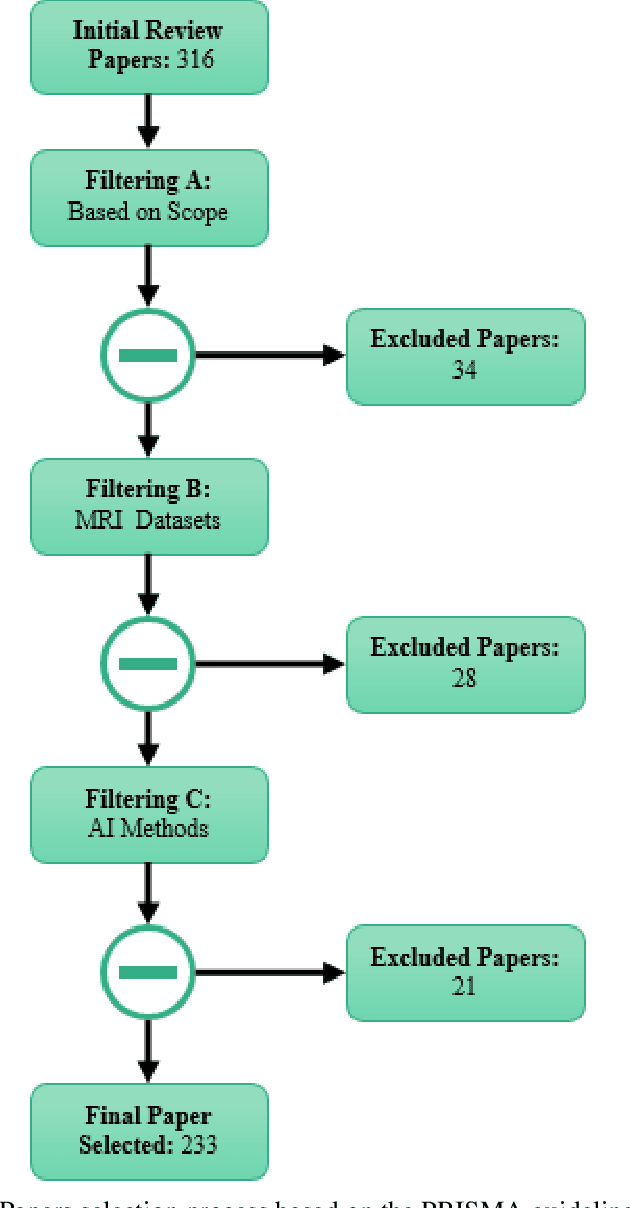
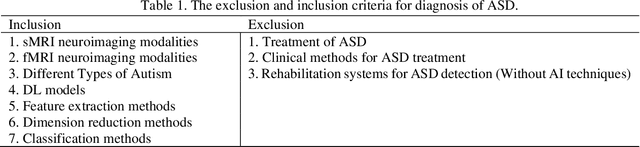
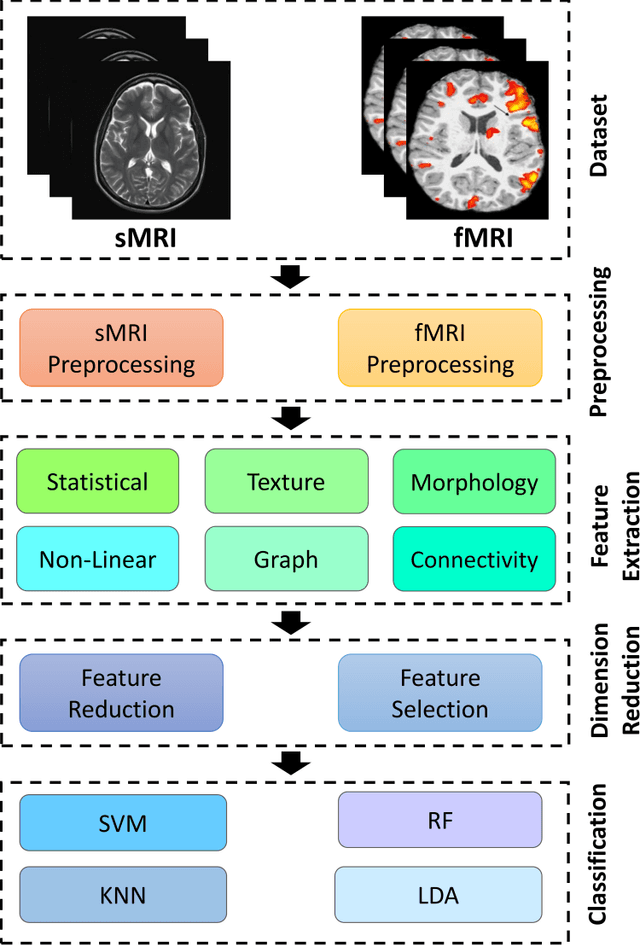
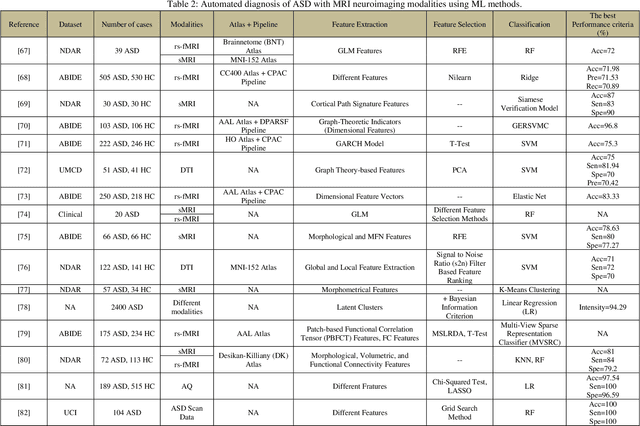
Autism spectrum disorder (ASD) is a brain condition characterized by diverse signs and symptoms that appear in early childhood. ASD is also associated with communication deficits and repetitive behavior in affected individuals. Various ASD detection methods have been developed, including neuroimaging modalities and psychological tests. Among these methods, magnetic resonance imaging (MRI) imaging modalities are of paramount importance to physicians. Clinicians rely on MRI modalities to diagnose ASD accurately. The MRI modalities are non-invasive methods that include functional (fMRI) and structural (sMRI) neuroimaging methods. However, the process of diagnosing ASD with fMRI and sMRI for specialists is often laborious and time-consuming; therefore, several computer-aided design systems (CADS) based on artificial intelligence (AI) have been developed to assist the specialist physicians. Conventional machine learning (ML) and deep learning (DL) are the most popular schemes of AI used for diagnosing ASD. This study aims to review the automated detection of ASD using AI. We review several CADS that have been developed using ML techniques for the automated diagnosis of ASD using MRI modalities. There has been very limited work on the use of DL techniques to develop automated diagnostic models for ASD. A summary of the studies developed using DL is provided in the appendix. Then, the challenges encountered during the automated diagnosis of ASD using MRI and AI techniques are described in detail. Additionally, a graphical comparison of studies using ML and DL to diagnose ASD automatically is discussed. We conclude by suggesting future approaches to detecting ASDs using AI techniques and MRI neuroimaging.
Automatic Diagnosis of Schizophrenia and Attention Deficit Hyperactivity Disorder in rs-fMRI Modality using Convolutional Autoencoder Model and Interval Type-2 Fuzzy Regression
May 31, 2022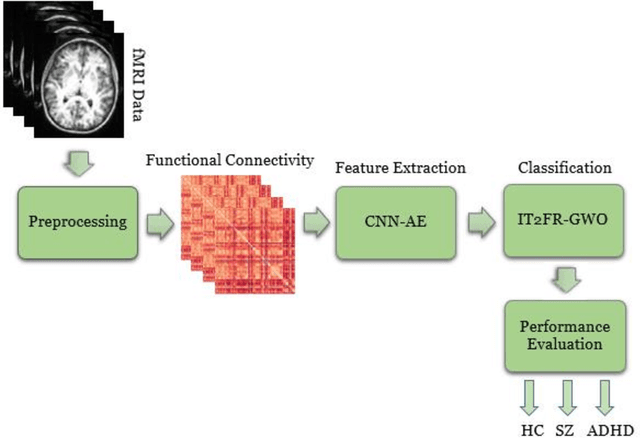
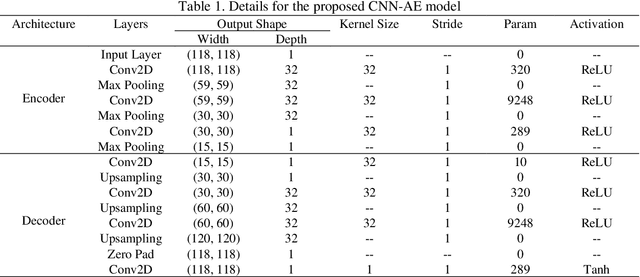
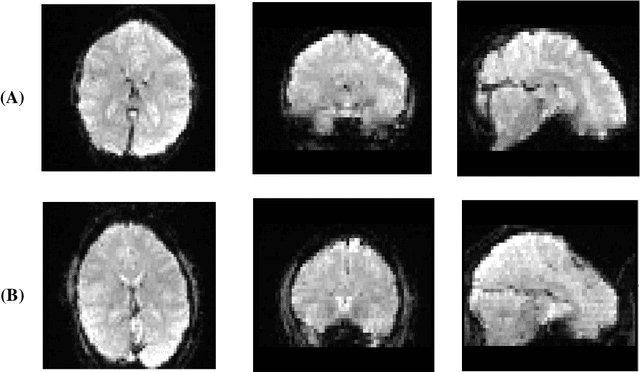
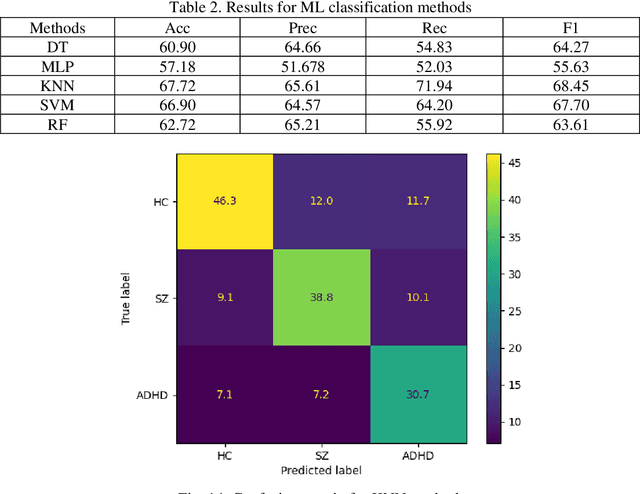
Nowadays, many people worldwide suffer from brain disorders, and their health is in danger. So far, numerous methods have been proposed for the diagnosis of Schizophrenia (SZ) and attention deficit hyperactivity disorder (ADHD), among which functional magnetic resonance imaging (fMRI) modalities are known as a popular method among physicians. This paper presents an SZ and ADHD intelligent detection method of resting-state fMRI (rs-fMRI) modality using a new deep learning (DL) method. The University of California Los Angeles (UCLA) dataset, which contains the rs-fMRI modalities of SZ and ADHD patients, has been used for experiments. The FMRIB software library (FSL) toolbox first performed preprocessing on rs-fMRI data. Then, a convolutional Autoencoder (CNN-AE) model with the proposed number of layers is used to extract features from rs-fMRI data. In the classification step, a new fuzzy method called interval type-2 fuzzy regression (IT2FR) is introduced and then optimized by genetic algorithm (GA), particle swarm optimization (PSO), and gray wolf optimization (GWO) techniques. Also, the results of IT2FR methods are compared with multilayer perceptron (MLP), k-nearest neighbors (KNN), support vector machine (SVM), random forest (RF), decision tree (DT), and adaptive neuro-fuzzy inference system (ANFIS) methods. The experiment results show that the IT2FR method with the GWO optimization algorithm has achieved satisfactory results compared to other classifier methods. Finally, the proposed classification technique was able to provide 72.71% accuracy.
Controlled Dropout for Uncertainty Estimation
May 06, 2022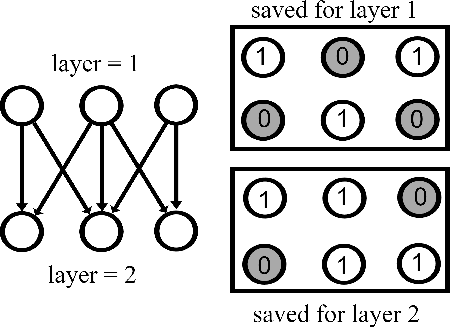
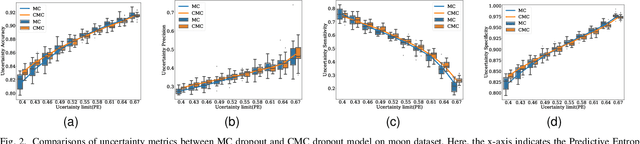
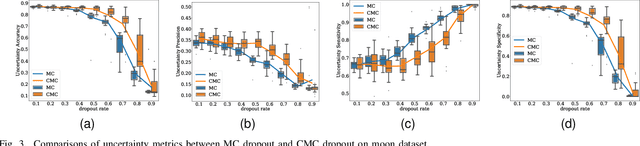
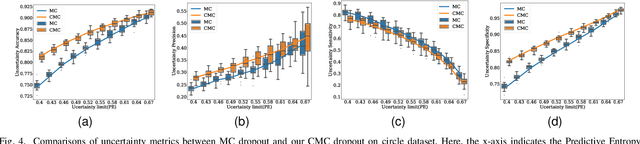
Uncertainty quantification in a neural network is one of the most discussed topics for safety-critical applications. Though Neural Networks (NNs) have achieved state-of-the-art performance for many applications, they still provide unreliable point predictions, which lack information about uncertainty estimates. Among various methods to enable neural networks to estimate uncertainty, Monte Carlo (MC) dropout has gained much popularity in a short period due to its simplicity. In this study, we present a new version of the traditional dropout layer where we are able to fix the number of dropout configurations. As such, each layer can take and apply the new dropout layer in the MC method to quantify the uncertainty associated with NN predictions. We conduct experiments on both toy and realistic datasets and compare the results with the MC method using the traditional dropout layer. Performance analysis utilizing uncertainty evaluation metrics corroborates that our dropout layer offers better performance in most cases.
DoubleU-Net++: Architecture with Exploit Multiscale Features for Vertebrae Segmentation
Jan 28, 2022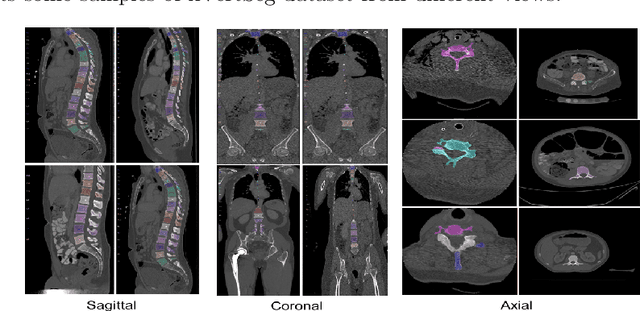
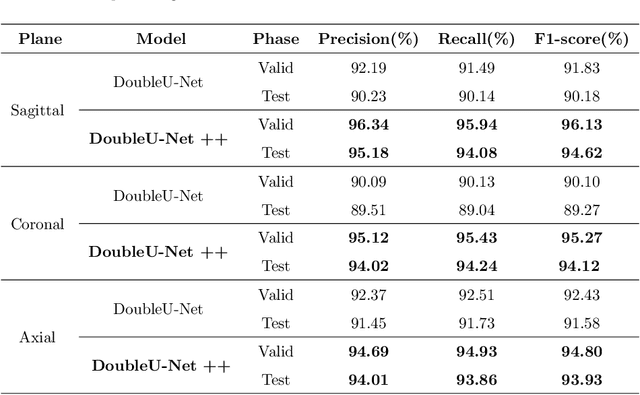
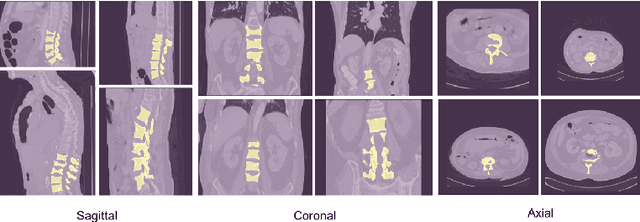
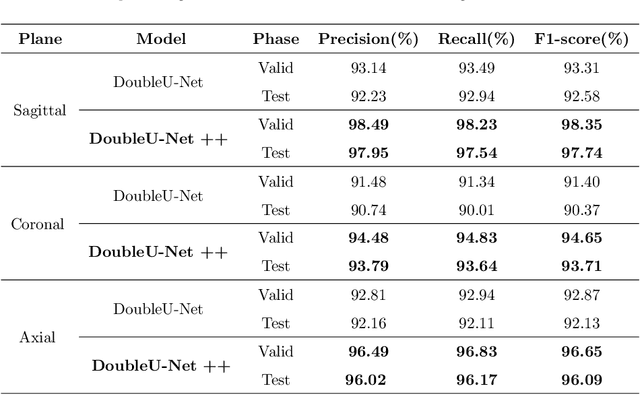
Accurate segmentation of the vertebra is an important prerequisite in various medical applications (E.g. tele surgery) to assist surgeons. Following the successful development of deep neural networks, recent studies have focused on the essential rule of vertebral segmentation. Prior works contain a large number of parameters, and their segmentation is restricted to only one view. Inspired by DoubleU-Net, we propose a novel model named DoubleU-Net++ in which DensNet as feature extractor, special attention module from Convolutional Block Attention on Module (CBAM) and, Pyramid Squeeze Attention (PSA) module are employed to improve extracted features. We evaluate our proposed model on three different views (sagittal, coronal, and axial) of VerSe2020 and xVertSeg datasets. Compared with state-of-the-art studies, our architecture is trained faster and achieves higher precision, recall, and F1-score as evaluation (imporoved by 4-6%) and the result of above 94% for sagittal view and above 94% for both coronal view and above 93% axial view were gained for VerSe2020 dataset, respectively. Also, for xVertSeg dataset, we achieved precision, recall,and F1-score of above 97% for sagittal view, above 93% for coronal view ,and above 96% for axial view.
Critical Review of Exoskeleton Technology: State of the art and development of physical and cognitive human-robot interface
Dec 07, 2021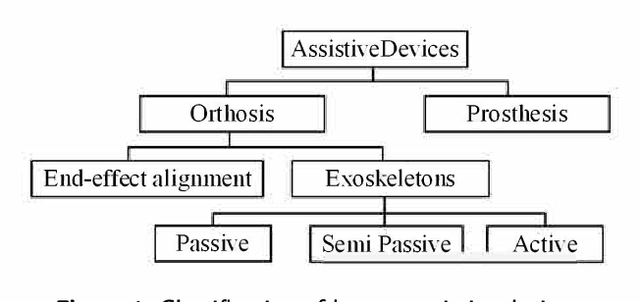
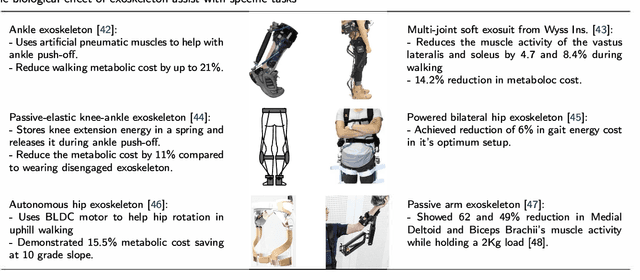
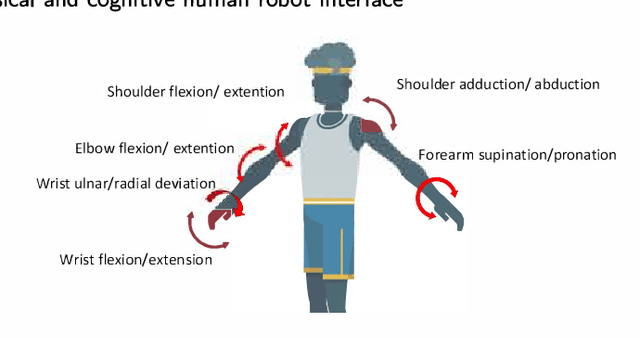
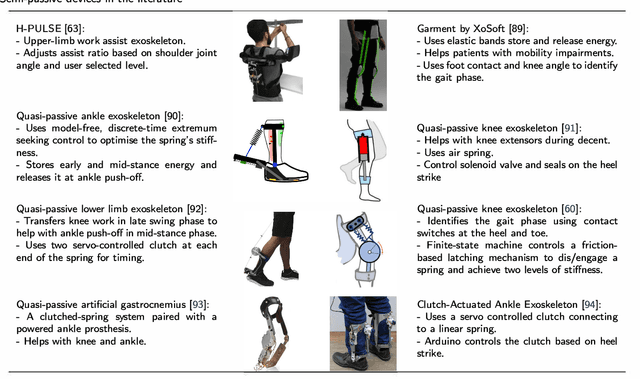
Exoskeletons and orthoses are wearable mobile systems providing mechanical benefits to the users. Despite significant improvements in the last decades, the technology is not fully mature to be adopted for strenuous and non-programmed tasks. To accommodate this insufficiency, different aspects of this technology need to be analysed and improved. Numerous studies have been trying to address some aspects of exoskeletons, e.g. mechanism design, intent prediction, and control scheme. However, most works have focused on a specific element of design or application without providing a comprehensive review framework. This study aims to analyse and survey the contributing aspects to the improvement and broad adoption of this technology. To address this, after introducing assistive devices and exoskeletons, the main design criteria will be investigated from a physical Human-Robot Interface (HRI) perspective. The study will be further developed by outlining several examples of known assistive devices in different categories. In order to establish an intelligent HRI strategy and enabling intuitive control for users, cognitive HRI will be investigated. Various approaches to this strategy will be reviewed, and a model for intent prediction will be proposed. This model is utilised to predict the gate phase from a single Electromyography (EMG) channel input. The outcomes of modelling show the potential use of single-channel input in low-power assistive devices. Furthermore, the proposed model can provide redundancy in devices with a complex control strategy.
A Comprehensive Study on Torchvision Pre-trained Models for Fine-grained Inter-species Classification
Oct 14, 2021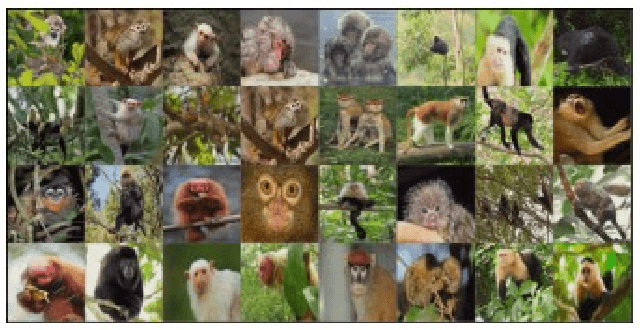
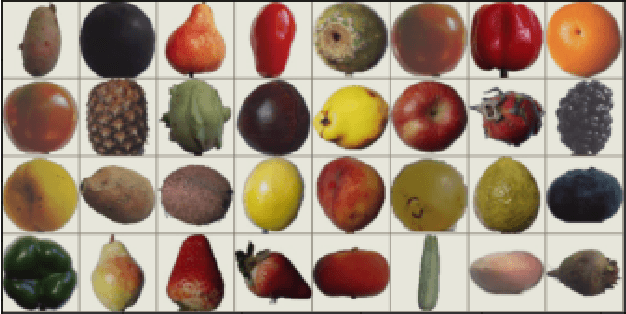
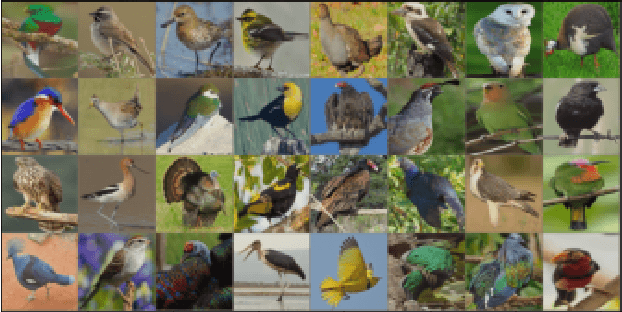
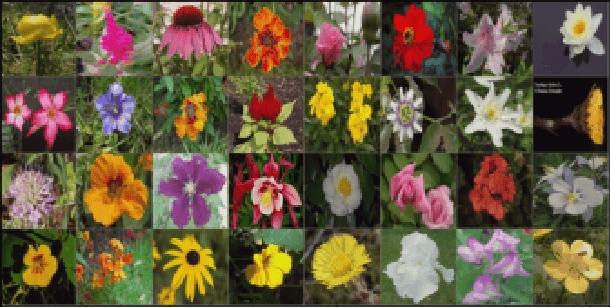
This study aims to explore different pre-trained models offered in the Torchvision package which is available in the PyTorch library. And investigate their effectiveness on fine-grained images classification. Transfer Learning is an effective method of achieving extremely good performance with insufficient training data. In many real-world situations, people cannot collect sufficient data required to train a deep neural network model efficiently. Transfer Learning models are pre-trained on a large data set, and can bring a good performance on smaller datasets with significantly lower training time. Torchvision package offers us many models to apply the Transfer Learning on smaller datasets. Therefore, researchers may need a guideline for the selection of a good model. We investigate Torchvision pre-trained models on four different data sets: 10 Monkey Species, 225 Bird Species, Fruits 360, and Oxford 102 Flowers. These data sets have images of different resolutions, class numbers, and different achievable accuracies. We also apply their usual fully-connected layer and the Spinal fully-connected layer to investigate the effectiveness of SpinalNet. The Spinal fully-connected layer brings better performance in most situations. We apply the same augmentation for different models for the same data set for a fair comparison. This paper may help future Computer Vision researchers in choosing a proper Transfer Learning model.
* Accepted
Improving MC-Dropout Uncertainty Estimates with Calibration Error-based Optimization
Oct 07, 2021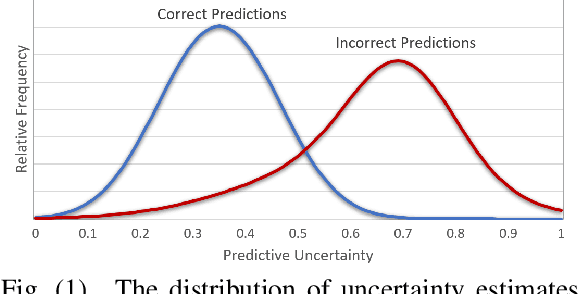
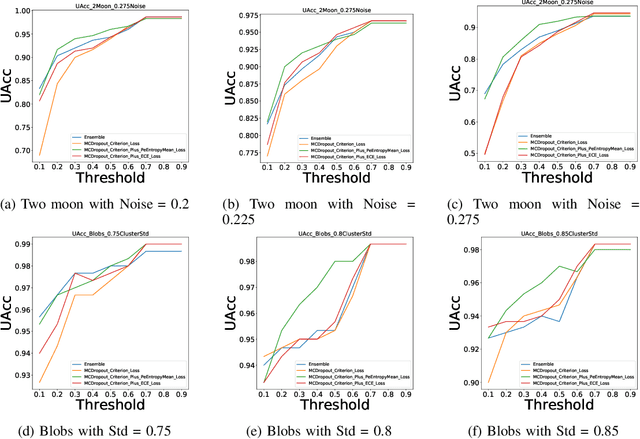
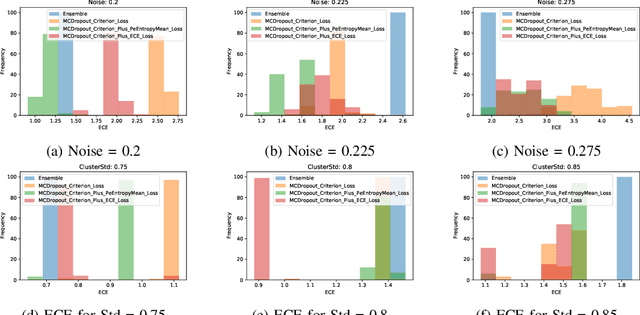
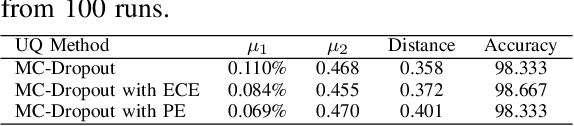
Uncertainty quantification of machine learning and deep learning methods plays an important role in enhancing trust to the obtained result. In recent years, a numerous number of uncertainty quantification methods have been introduced. Monte Carlo dropout (MC-Dropout) is one of the most well-known techniques to quantify uncertainty in deep learning methods. In this study, we propose two new loss functions by combining cross entropy with Expected Calibration Error (ECE) and Predictive Entropy (PE). The obtained results clearly show that the new proposed loss functions lead to having a calibrated MC-Dropout method. Our results confirmed the great impact of the new hybrid loss functions for minimising the overlap between the distributions of uncertainty estimates for correct and incorrect predictions without sacrificing the model's overall performance.
Accurate Prediction Using Triangular Type-2 Fuzzy Linear Regression
Sep 12, 2021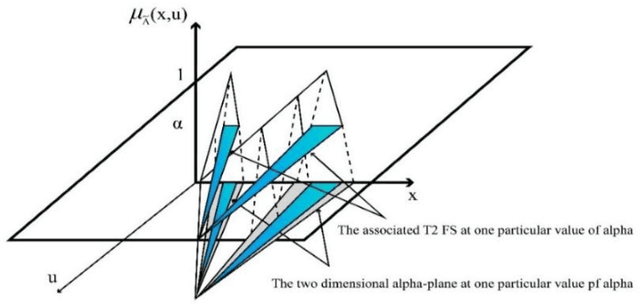

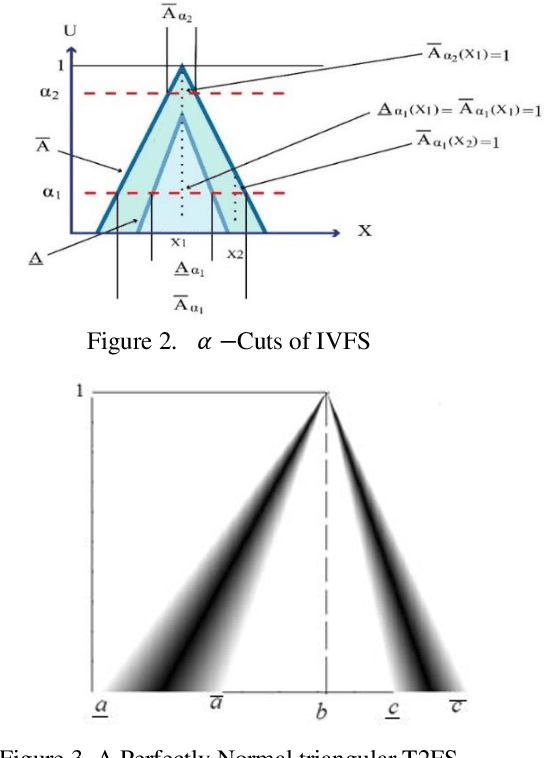

Many works have been done to handle the uncertainties in the data using type 1 fuzzy regression. Few type 2 fuzzy regression works used interval type 2 for indeterminate modeling using type 1 fuzzy membership. The current survey proposes a triangular type-2 fuzzy regression (TT2FR) model to ameliorate the efficiency of the model by handling the uncertainty in the data. The triangular secondary membership function is used instead of widely used interval type models. In the proposed model, vagueness in primary and secondary fuzzy sets is minimized and also, a specified x-plane of observed value is included in the same {\alpha}- plane of the predicted value. Complex calculations of the type-2 fuzzy (T2F) model are simplified by reducing three dimensional type-2 fuzzy set (3DT2FS) into two dimensional interval type-2 fuzzy (2DIT2F) models. The current survey presents a new regression model of T2F by considering the more general form of T2F membership functions and thus avoids high complexity. The performance of the developed model is evaluated using the TAIEX and COVID-19 forecasting datasets. Our developed model reached the highest performance as compared to the other state-of-art techniques. Our developed method is ready to be tested with more uncertain data and has the potential to use to predict the weather and stock prediction.