 Add to Chrome
 Add to Firefox
 Add to Edge
Preventing AI Deepfake Abuse: An Islamic Ethics Framework
Dec 24, 2025
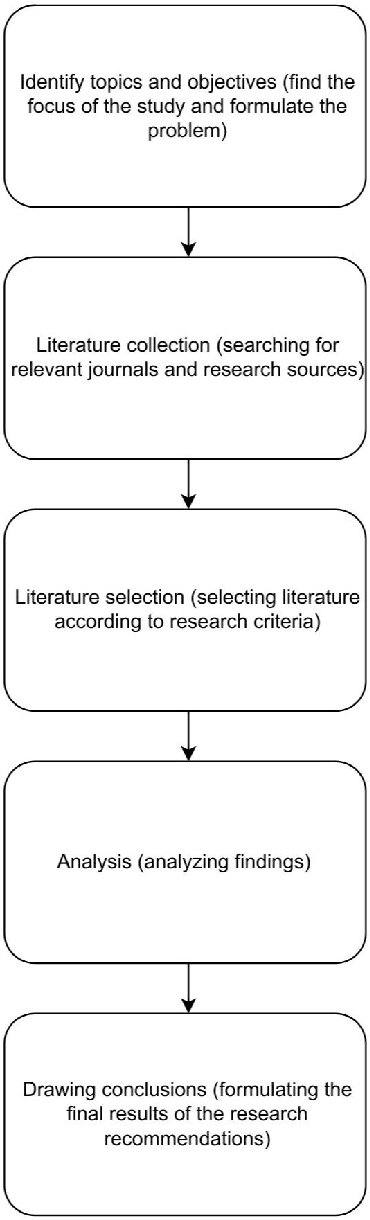
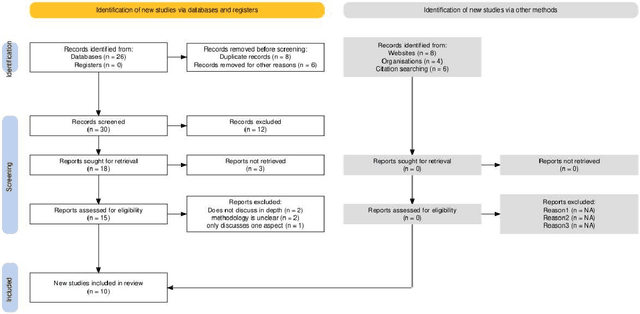
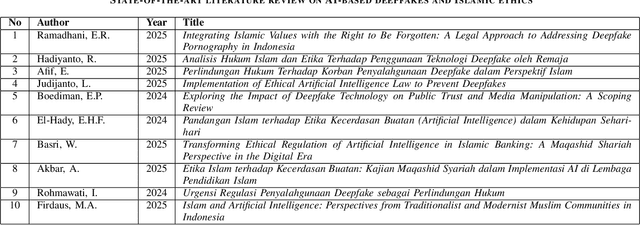
The rapid development of deepfake technology powered by AI has raised global concerns regarding the manipulation of information, the usurpation of digital identities, and the erosion of public trust in the authenticity of online content. These challenges extend beyond technical issues and involve complex moral dimensions, rendering conventional, technologically driven, and reactive management approaches insufficient to address underlying causes such as intent, ethical responsibility, and intangible social harm. In response to these challenges, this study aims to formulate a comprehensive Islamic ethical framework as a preventive approach to mitigate the misuse of deepfake technology. This study employed a Systematic Literature Review (SLR) guided by the Preferred Reporting Items for Systematic Reviews and Meta-Analyses (PRISMA), selecting ten primary sources published between 2018 and 2025 to identify ethical gaps, regulatory needs, and appropriate normative solutions. The analysis demonstrates that integrating the principles of Maqasid al-Shariah, particularly hifz al-ird and hifz al-nafs, provides a strong normative foundation for governing the responsible use of digital technology. Based on the findings, this study proposes three strategic recommendations: regulatory reforms that recognize the intangible and psychological harms resulting from reputational damage; strengthened technology governance grounded in moral accountability and the values of adl, amanah, and transparency; and enhanced public digital literacy based on the principle of tabayyun. Overall, the findings suggest that the application of Islamic ethical principles shifts governance paradigms from punitive mechanisms toward preventive approaches that emphasize the protection of human dignity, the prevention of harm, and the promotion of the common good in the digital age.

The Role of Islamic Ethics in Preventing the Abuse of Artificial Intelligence (AI) Based Deepfakes
Dec 19, 2025The significant development of deepfake technology powered by artificial intelligence (AI) has sparked worldwide concerns about the alteration of false information, the usurpation of online identities, and the decline of public confidence in the authenticity of online content. These incidents not only raise technical issues but also carry complex moral implications, rendering conventional, technologically driven, and reactive management methods inadequate to address the underlying causes of the problem, including intent, morality, and potential intangible social impacts. Based on these issues, this study aims to formulate a comprehensive Islamic ethical framework that can serve as a more comprehensive preventative tool to mitigate the risks of misuse of deepfakes. The study employed a Systematic Literature Review (SLR) guided by PRISMA, selecting ten primary sources published between 2018 and 2025 to identify ethical deficiencies, regulatory needs, and appropriate normative solutions. The analysis shows that the integration of the principles of (Maqasid al-Shariah) particularly (hifz al-ird) protecting honor and (hifz al-nafs) protecting the self, provides a strong normative basis for regulating the responsible use of technology. This study yields three strategic recommendations: regulatory changes that recognize the intangible and psychological harm caused by reputational damage; improved technology management through moral scrutiny that upholds the values of justice (adl), trust, and openness; and increased public digital literacy based on the principle of (tabayyun) examination and caution. Overall, this study concludes that the application of Islamic ethics offers a shift in thinking from punitive mechanisms to preventative approaches that focus on protecting human dignity, preventing harm, and strengthening the common good in the digital age.
Unsupervised Thematic Clustering Of hadith Texts Using The Apriori Algorithm
Dec 18, 2025This research stems from the urgency to automate the thematic grouping of hadith in line with the growing digitalization of Islamic texts. Based on a literature review, the unsupervised learning approach with the Apriori algorithm has proven effective in identifying association patterns and semantic relations in unlabeled text data. The dataset used is the Indonesian Translation of the hadith of Bukhari, which first goes through preprocessing stages including case folding, punctuation cleaning, tokenization, stopword removal, and stemming. Next, an association rule mining analysis was conducted using the Apriori algorithm with support, confidence, and lift parameters. The results show the existence of meaningful association patterns such as the relationship between rakaat-prayer, verse-revelation, and hadith-story, which describe the themes of worship, revelation, and hadith narration. These findings demonstrate that the Apriori algorithm has the ability to automatically uncover latent semantic relationships, while contributing to the development of digital Islamic studies and technology-based learning systems.
Implementing a Sharia Chatbot as a Consultation Medium for Questions About Islam
Dec 18, 2025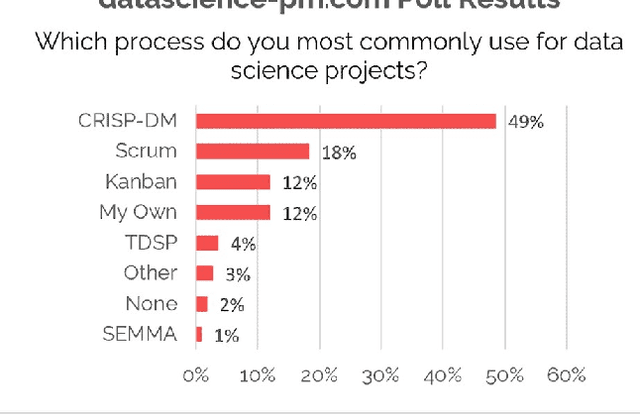
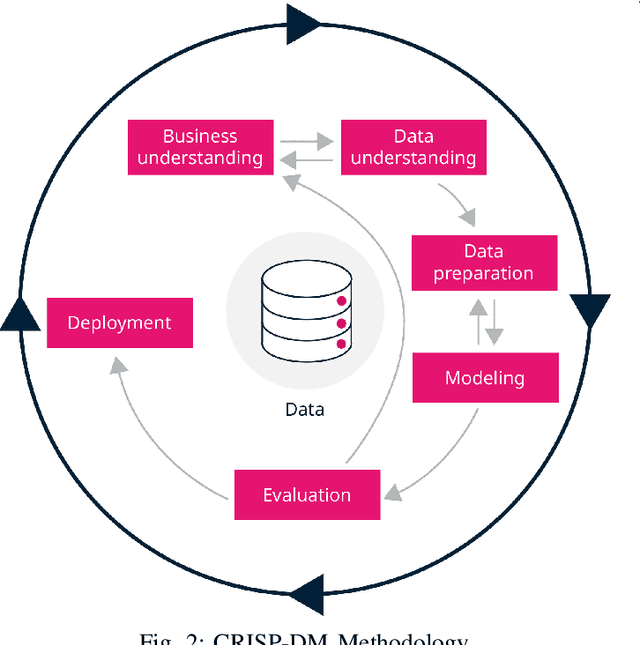
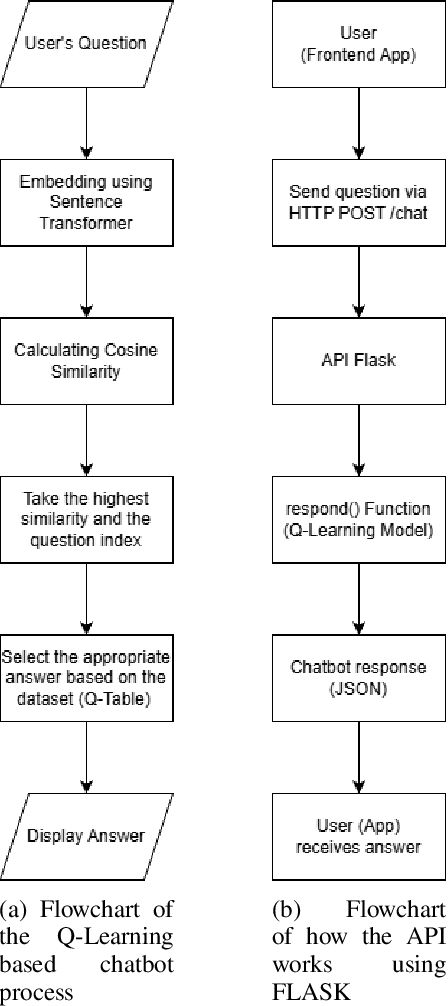
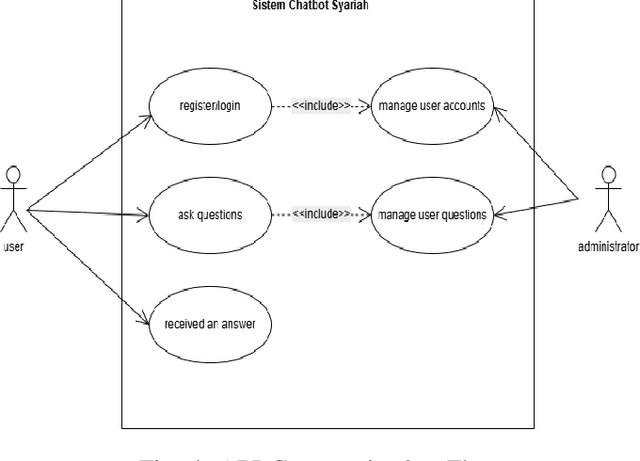
This research presents the implementation of a Sharia-compliant chatbot as an interactive medium for consulting Islamic questions, leveraging Reinforcement Learning (Q-Learning) integrated with Sentence-Transformers for semantic embedding to ensure contextual and accurate responses. Utilizing the CRISP-DM methodology, the system processes a curated Islam QA dataset of 25,000 question-answer pairs from authentic sources like the Qur'an, Hadith, and scholarly fatwas, formatted in JSON for flexibility and scalability. The chatbot prototype, developed with a Flask API backend and Flutter-based mobile frontend, achieves 87% semantic accuracy in functional testing across diverse topics including fiqh, aqidah, ibadah, and muamalah, demonstrating its potential to enhance religious literacy, digital da'wah, and access to verified Islamic knowledge in the Industry 4.0 era. While effective for closed-domain queries, limitations such as static learning and dataset dependency highlight opportunities for future enhancements like continuous adaptation and multi-turn conversation support, positioning this innovation as a bridge between traditional Islamic scholarship and modern AI-driven consultation.
Machine Learning Algorithms: Detection Official Hajj and Umrah Travel Agency Based on Text and Metadata Analysis
Dec 18, 2025The rapid digitalization of Hajj and Umrah services in Indonesia has significantly facilitated pilgrims but has concurrently opened avenues for digital fraud through counterfeit mobile applications. These fraudulent applications not only inflict financial losses but also pose severe privacy risks by harvesting sensitive personal data. This research aims to address this critical issue by implementing and evaluating machine learning algorithms to verify application authenticity automatically. Using a comprehensive dataset comprising both official applications registered with the Ministry of Religious Affairs and unofficial applications circulating on app stores, we compare the performance of three robust classifiers: Support Vector Machine (SVM), Random Forest (RF), and Na"ive Bayes (NB). The study utilizes a hybrid feature extraction methodology that combines Textual Analysis (TF-IDF) of application descriptions with Metadata Analysis of sensitive access permissions. The experimental results indicate that the SVM algorithm achieves the highest performance with an accuracy of 92.3%, a precision of 91.5%, and an F1-score of 92.0%. Detailed feature analysis reveals that specific keywords related to legality and high-risk permissions (e.g., READ PHONE STATE) are the most significant discriminators. This system is proposed as a proactive, scalable solution to enhance digital trust in the religious tourism sector, potentially serving as a prototype for a national verification system.