 Add to Chrome
 Add to Firefox
 Add to Edge
Preventing AI Deepfake Abuse: An Islamic Ethics Framework
Dec 24, 2025
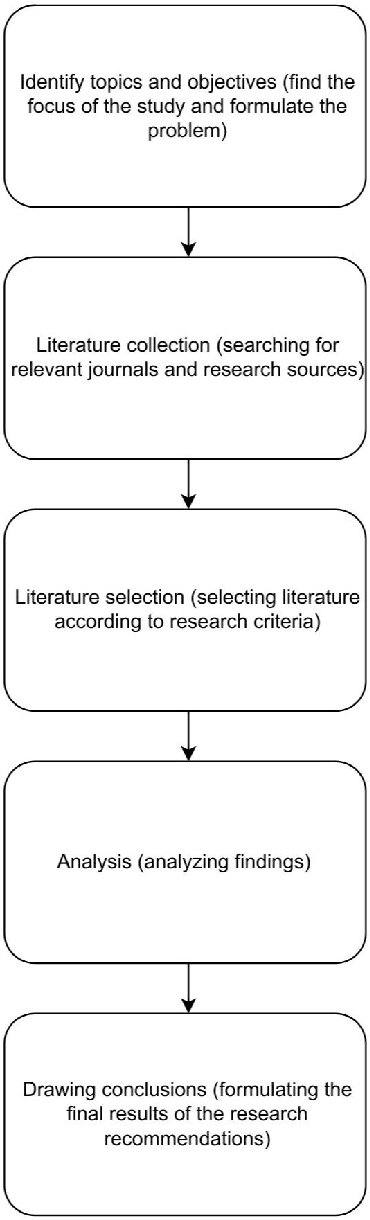
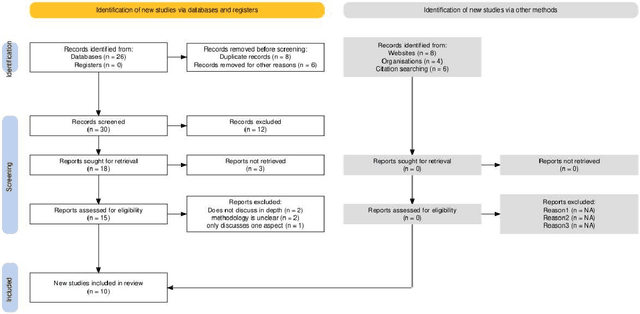
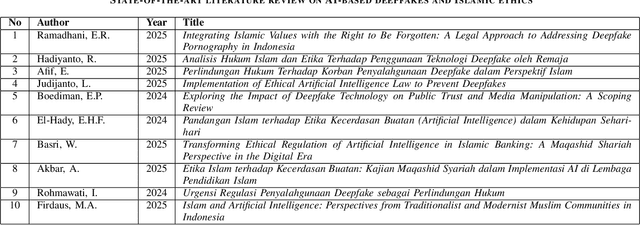
The rapid development of deepfake technology powered by AI has raised global concerns regarding the manipulation of information, the usurpation of digital identities, and the erosion of public trust in the authenticity of online content. These challenges extend beyond technical issues and involve complex moral dimensions, rendering conventional, technologically driven, and reactive management approaches insufficient to address underlying causes such as intent, ethical responsibility, and intangible social harm. In response to these challenges, this study aims to formulate a comprehensive Islamic ethical framework as a preventive approach to mitigate the misuse of deepfake technology. This study employed a Systematic Literature Review (SLR) guided by the Preferred Reporting Items for Systematic Reviews and Meta-Analyses (PRISMA), selecting ten primary sources published between 2018 and 2025 to identify ethical gaps, regulatory needs, and appropriate normative solutions. The analysis demonstrates that integrating the principles of Maqasid al-Shariah, particularly hifz al-ird and hifz al-nafs, provides a strong normative foundation for governing the responsible use of digital technology. Based on the findings, this study proposes three strategic recommendations: regulatory reforms that recognize the intangible and psychological harms resulting from reputational damage; strengthened technology governance grounded in moral accountability and the values of adl, amanah, and transparency; and enhanced public digital literacy based on the principle of tabayyun. Overall, the findings suggest that the application of Islamic ethical principles shifts governance paradigms from punitive mechanisms toward preventive approaches that emphasize the protection of human dignity, the prevention of harm, and the promotion of the common good in the digital age.

The Role of Islamic Ethics in Preventing the Abuse of Artificial Intelligence (AI) Based Deepfakes
Dec 19, 2025The significant development of deepfake technology powered by artificial intelligence (AI) has sparked worldwide concerns about the alteration of false information, the usurpation of online identities, and the decline of public confidence in the authenticity of online content. These incidents not only raise technical issues but also carry complex moral implications, rendering conventional, technologically driven, and reactive management methods inadequate to address the underlying causes of the problem, including intent, morality, and potential intangible social impacts. Based on these issues, this study aims to formulate a comprehensive Islamic ethical framework that can serve as a more comprehensive preventative tool to mitigate the risks of misuse of deepfakes. The study employed a Systematic Literature Review (SLR) guided by PRISMA, selecting ten primary sources published between 2018 and 2025 to identify ethical deficiencies, regulatory needs, and appropriate normative solutions. The analysis shows that the integration of the principles of (Maqasid al-Shariah) particularly (hifz al-ird) protecting honor and (hifz al-nafs) protecting the self, provides a strong normative basis for regulating the responsible use of technology. This study yields three strategic recommendations: regulatory changes that recognize the intangible and psychological harm caused by reputational damage; improved technology management through moral scrutiny that upholds the values of justice (adl), trust, and openness; and increased public digital literacy based on the principle of (tabayyun) examination and caution. Overall, this study concludes that the application of Islamic ethics offers a shift in thinking from punitive mechanisms to preventative approaches that focus on protecting human dignity, preventing harm, and strengthening the common good in the digital age.