 Add to Chrome
 Add to Firefox
 Add to Edge
Evaluating RE Practices for Explainability: Synthesizing Insights from Daimler Truck into an Explainable RE Framework Proposal
Jul 13, 2026
Explainability has emerged as a critical requirement for AI-based systems, particularly in safety-critical and regulated domains. Although prior research has proposed frameworks, patterns, and user-centered approaches to support explainability, there is limited empirical understanding of how existing Requirements Engineering (RE) practices support explainability requirements across the RE lifecycle, especially in an industrial context. This paper reports early findings from an ongoing industry-based study investigating how explainability requirements are elicited, specified, and validated using established RE techniques. We conducted a multi-phase qualitative study with eight practitioners at Daimler Truck, employing think-aloud protocols and moderated group discussions across requirements elicitation, specification, and validation steps. Our preliminary analysis reveals recurring challenges across all steps, including conceptual ambiguity during elicitation, limited testability and expressiveness during specification, and fragmented validation due to vague criteria and regulatory uncertainty. These findings indicate that current RE practices provide limited support to systematically address explainability requirements. The paper contributes empirical insights into step-specific and cross-cutting challenges and outlines a research vision toward developing an empirically grounded RE framework for explainable AI-based systems.

How Mature is Requirements Engineering for AI-based Systems? A Systematic Mapping Study on Practices, Challenges, and Future Research Directions
Sep 11, 2024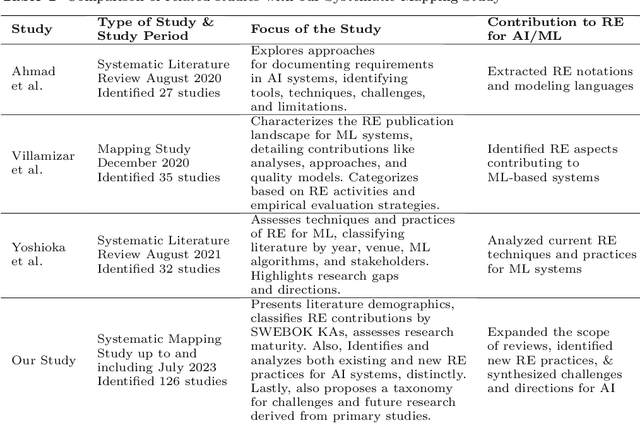
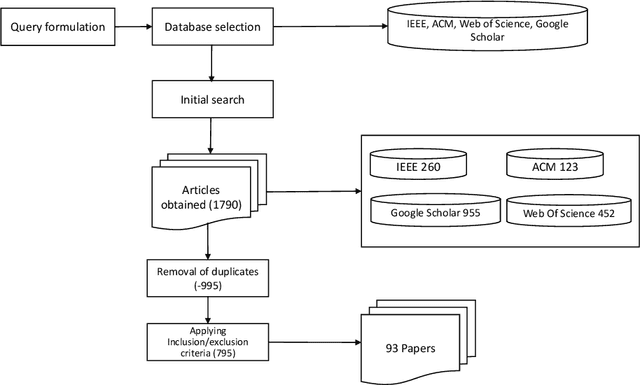
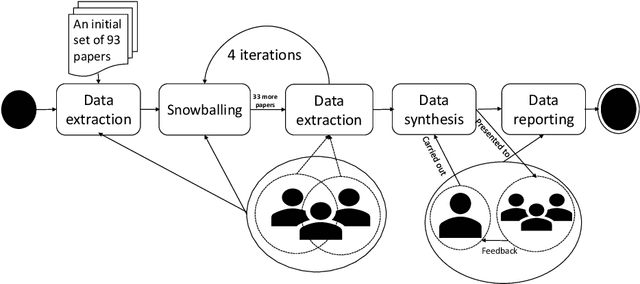
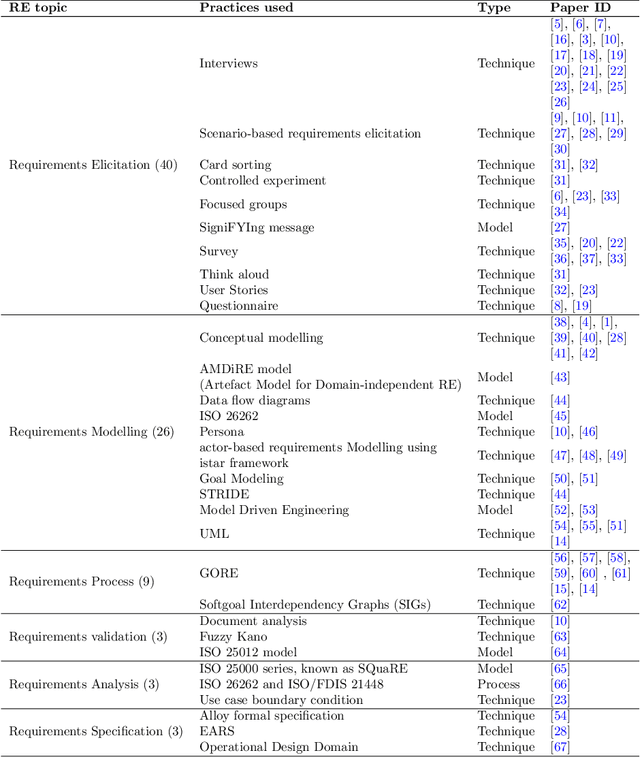
Artificial intelligence (AI) permeates all fields of life, which resulted in new challenges in requirements engineering for artificial intelligence (RE4AI), e.g., the difficulty in specifying and validating requirements for AI or considering new quality requirements due to emerging ethical implications. It is currently unclear if existing RE methods are sufficient or if new ones are needed to address these challenges. Therefore, our goal is to provide a comprehensive overview of RE4AI to researchers and practitioners. What has been achieved so far, i.e., what practices are available, and what research gaps and challenges still need to be addressed? To achieve this, we conducted a systematic mapping study combining query string search and extensive snowballing. The extracted data was aggregated, and results were synthesized using thematic analysis. Our selection process led to the inclusion of 126 primary studies. Existing RE4AI research focuses mainly on requirements analysis and elicitation, with most practices applied in these areas. Furthermore, we identified requirements specification, explainability, and the gap between machine learning engineers and end-users as the most prevalent challenges, along with a few others. Additionally, we proposed seven potential research directions to address these challenges. Practitioners can use our results to identify and select suitable RE methods for working on their AI-based systems, while researchers can build on the identified gaps and research directions to push the field forward.