 Add to Chrome
 Add to Firefox
 Add to Edge
Toward Secure and Compliant AI: Organizational Standards and Protocols for NLP Model Lifecycle Management
Dec 26, 2025
Natural Language Processing (NLP) systems are increasingly used in sensitive domains such as healthcare, finance, and government, where they handle large volumes of personal and regulated data. However, these systems introduce distinct risks related to security, privacy, and regulatory compliance that are not fully addressed by existing AI governance frameworks. This paper introduces the Secure and Compliant NLP Lifecycle Management Framework (SC-NLP-LMF), a comprehensive six-phase model designed to ensure the secure operation of NLP systems from development to retirement. The framework, developed through a systematic PRISMA-based review of 45 peer-reviewed and regulatory sources, aligns with leading standards, including NIST AI RMF, ISO/IEC 42001:2023, the EU AI Act, and MITRE ATLAS. It integrates established methods for bias detection, privacy protection (differential privacy, federated learning), secure deployment, explainability, and secure model decommissioning. A healthcare case study illustrates how SC-NLP-LMF detects emerging terminology drift (e.g., COVID-related language) and guides compliant model updates. The framework offers organizations a practical, lifecycle-wide structure for developing, deploying, and maintaining secure and accountable NLP systems in high-risk environments.

Securing Agentic AI Systems -- A Multilayer Security Framework
Dec 19, 2025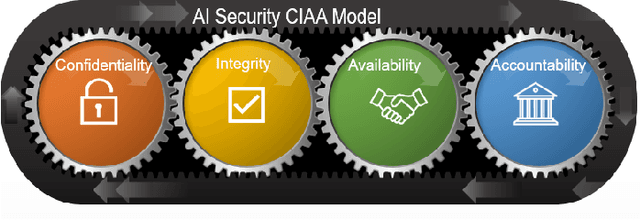
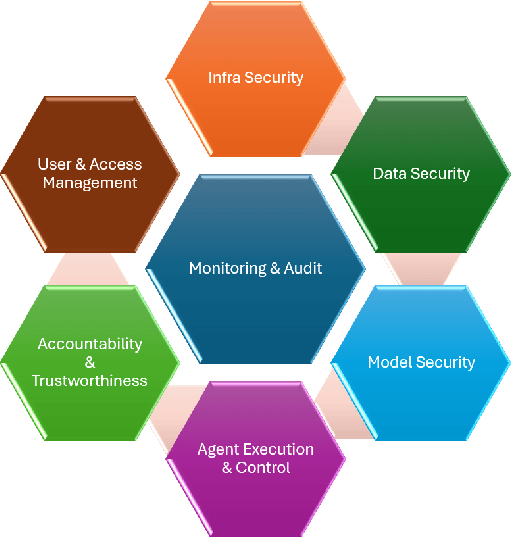
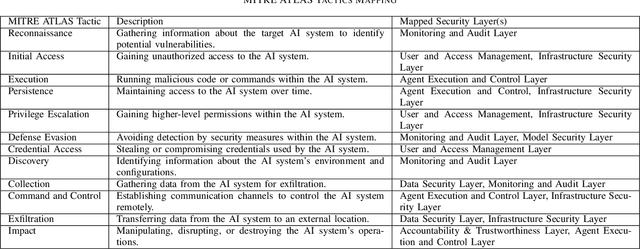
Securing Agentic Artificial Intelligence (AI) systems requires addressing the complex cyber risks introduced by autonomous, decision-making, and adaptive behaviors. Agentic AI systems are increasingly deployed across industries, organizations, and critical sectors such as cybersecurity, finance, and healthcare. However, their autonomy introduces unique security challenges, including unauthorized actions, adversarial manipulation, and dynamic environmental interactions. Existing AI security frameworks do not adequately address these challenges or the unique nuances of agentic AI. This research develops a lifecycle-aware security framework specifically designed for agentic AI systems using the Design Science Research (DSR) methodology. The paper introduces MAAIS, an agentic security framework, and the agentic AI CIAA (Confidentiality, Integrity, Availability, and Accountability) concept. MAAIS integrates multiple defense layers to maintain CIAA across the AI lifecycle. Framework validation is conducted by mapping with the established MITRE ATLAS (Adversarial Threat Landscape for Artificial-Intelligence Systems) AI tactics. The study contributes a structured, standardized, and framework-based approach for the secure deployment and governance of agentic AI in enterprise environments. This framework is intended for enterprise CISOs, security, AI platform, and engineering teams and offers a detailed step-by-step approach to securing agentic AI workloads.
The Psychological Impacts of Algorithmic and AI-Driven Social Media on Teenagers: A Call to Action
Aug 19, 2024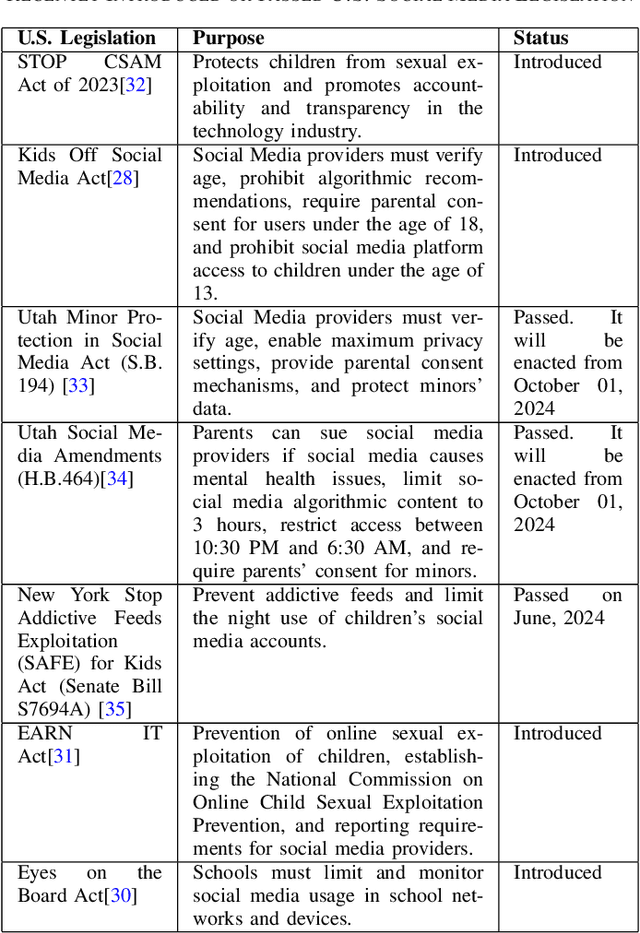
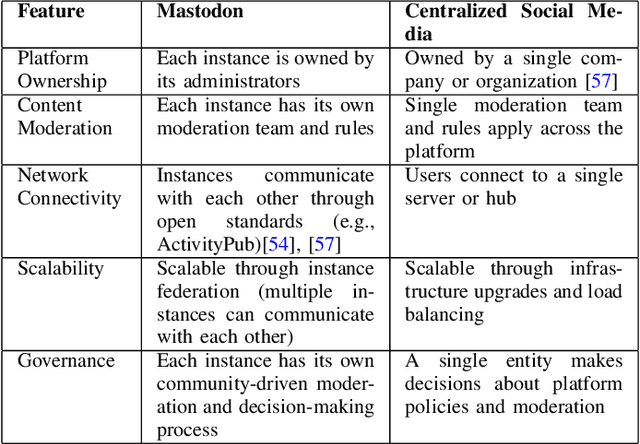
This study investigates the meta-issues surrounding social media, which, while theoretically designed to enhance social interactions and improve our social lives by facilitating the sharing of personal experiences and life events, often results in adverse psychological impacts. Our investigation reveals a paradoxical outcome: rather than fostering closer relationships and improving social lives, the algorithms and structures that underlie social media platforms inadvertently contribute to a profound psychological impact on individuals, influencing them in unforeseen ways. This phenomenon is particularly pronounced among teenagers, who are disproportionately affected by curated online personas, peer pressure to present a perfect digital image, and the constant bombardment of notifications and updates that characterize their social media experience. As such, we issue a call to action for policymakers, platform developers, and educators to prioritize the well-being of teenagers in the digital age and work towards creating secure and safe social media platforms that protect the young from harm, online harassment, and exploitation.