 Add to Chrome
 Add to Firefox
 Add to Edge
Automatic Cardiac Risk Management Classification using large-context Electronic Patients Health Records
Mar 10, 2026
To overcome the limitations of manual administrative coding in geriatric Cardiovascular Risk Management, this study introduces an automated classification framework leveraging unstructured Electronic Health Records (EHRs). Using a dataset of 3,482 patients, we benchmarked three distinct modeling paradigms on longitudinal Dutch clinical narratives: classical machine learning baselines, specialized deep learning architectures optimized for large-context sequences, and general-purpose generative Large Language Models (LLMs) in a zero-shot setting. Additionally, we evaluated a late fusion strategy to integrate unstructured text with structured medication embeddings and anthropometric data. Our analysis reveals that the custom Transformer architecture outperforms both traditional methods and generative \acs{llm}s, achieving the highest F1-scores and Matthews Correlation Coefficients. These findings underscore the critical role of specialized hierarchical attention mechanisms in capturing long-range dependencies within medical texts, presenting a robust, automated alternative to manual workflows for clinical risk stratification.

Technical Insights and Legal Considerations for Advancing Federated Learning in Bioinformatics
Mar 12, 2025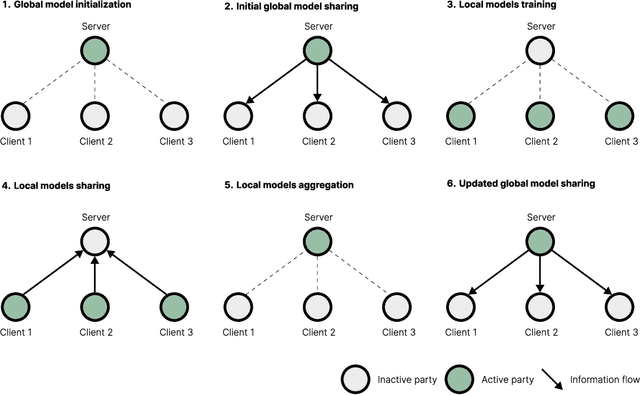
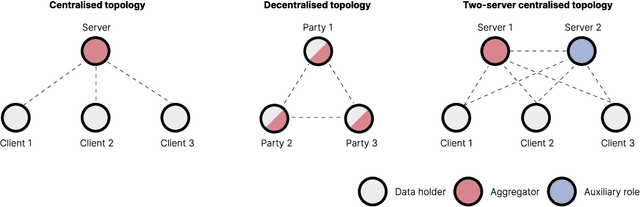
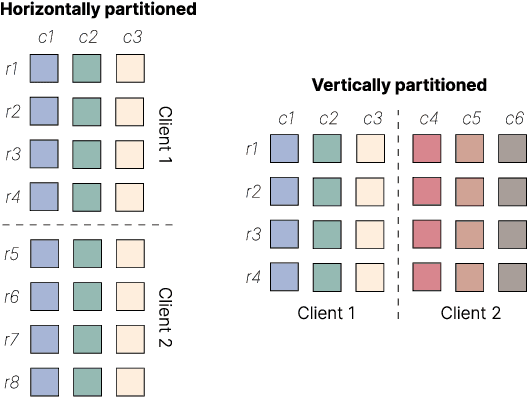
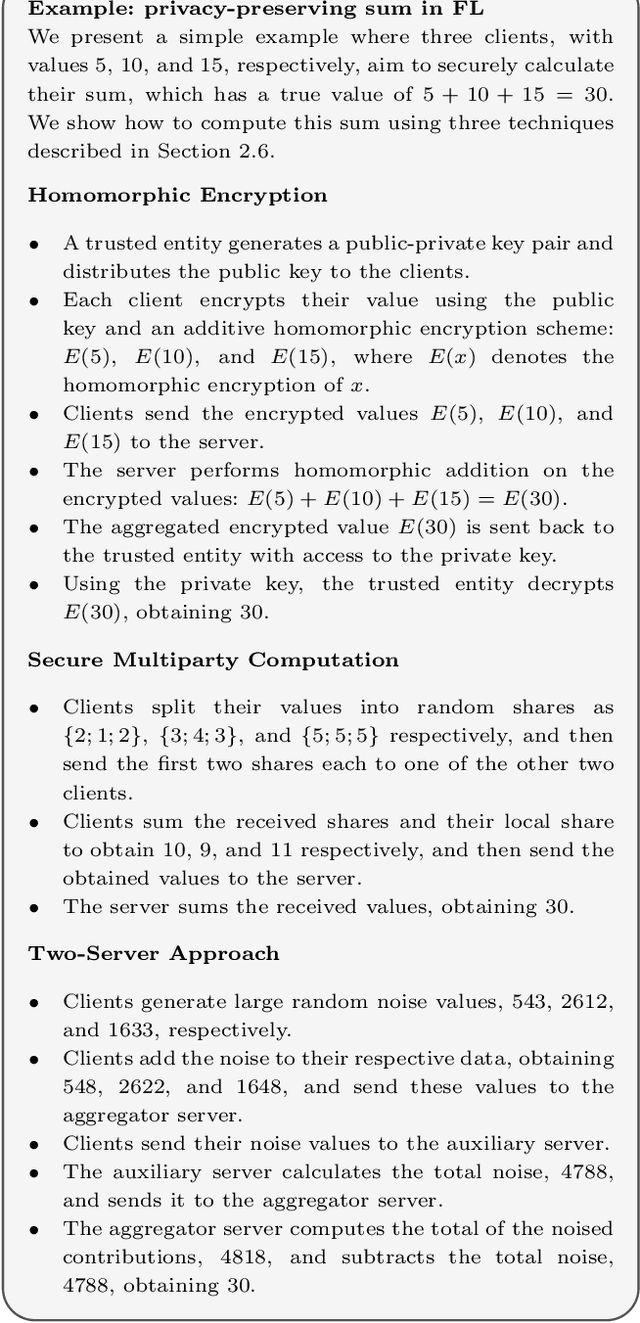
Federated learning leverages data across institutions to improve clinical discovery while complying with data-sharing restrictions and protecting patient privacy. As the evolution of biobanks in genetics and systems biology has proved, accessing more extensive and varied data pools leads to a faster and more robust exploration and translation of results. More widespread use of federated learning may have the same impact in bioinformatics, allowing access to many combinations of genotypic, phenotypic and environmental information that are undercovered or not included in existing biobanks. This paper reviews the methodological, infrastructural and legal issues that academic and clinical institutions must address before implementing it. Finally, we provide recommendations for the reliable use of federated learning and its effective translation into clinical practice.