 Add to Chrome
 Add to Firefox
 Add to Edge
A Novel CustNetGC Boosted Model with Spectral Features for Parkinson's Disease Prediction
Nov 19, 2025
Parkinson's disease is a neurodegenerative disorder that can be very tricky to diagnose and treat. Such early symptoms can include tremors, wheezy breathing, and changes in voice quality as critical indicators of neural damage. Notably, there has been growing interest in utilizing changes in vocal attributes as markers for the detection of PD early on. Based on this understanding, the present paper was designed to focus on the acoustic feature analysis based on voice recordings of patients diagnosed with PD and healthy controls (HC). In this paper, we introduce a novel classification and visualization model known as CustNetGC, combining a Convolutional Neural Network (CNN) with Custom Network Grad-CAM and CatBoost to enhance the efficiency of PD diagnosis. We use a publicly available dataset from Figshare, including voice recordings of 81 participants: 40 patients with PD and 41 healthy controls. From these recordings, we extracted the key spectral features: L-mHP and Spectral Slopes. The L-mHP feature combines three spectrogram representations: Log-Mel spectrogram, harmonic spectrogram, and percussive spectrogram, which are derived using Harmonic-Percussive Source Separation (HPSS). Grad-CAM was used to highlight the important regions in the data, thus making the PD predictions interpretable and effective. Our proposed CustNetGC model achieved an accuracy of 99.06% and precision of 95.83%, with the area under the ROC curve (AUC) recorded at 0.90 for the PD class and 0.89 for the HC class. Additionally, the combination of CatBoost, a gradient boosting algorithm, enhanced the robustness and the prediction performance by properly classifying PD and non-PD samples. Therefore, the results provide the potential improvement in the CustNetGC system in enhancing diagnostic accuracy and the interpretability of the Parkinson's Disease prediction model.

A Hybrid CNN-ViT-GNN Framework with GAN-Based Augmentation for Intelligent Weed Detection in Precision Agriculture
Nov 19, 2025The task of weed detection is an essential element of precision agriculture since accurate species identification allows a farmer to selectively apply herbicides and fits into sustainable agriculture crop management. This paper proposes a hybrid deep learning framework recipe for weed detection that utilizes Convolutional Neural Networks (CNNs), Vision Transformers (ViTs), and Graph Neural Networks (GNNs) to build robustness to multiple field conditions. A Generative Adversarial Network (GAN)-based augmentation method was imposed to balance class distributions and better generalize the model. Further, a self-supervised contrastive pre-training method helps to learn more features from limited annotated data. Experimental results yield superior results with 99.33% accuracy, precision, recall, and F1-score on multi-benchmark datasets. The proposed model architecture enables local, global, and relational feature representations and offers high interpretability and adaptability. Practically, the framework allows real-time, efficient deployment to edge devices for automated weed detecting, reducing over-reliance on herbicides and providing scalable, sustainable precision-farming options.
Hybrid Convolution Neural Network Integrated with Pseudo-Newton Boosting for Lumbar Spine Degeneration Detection
Nov 17, 2025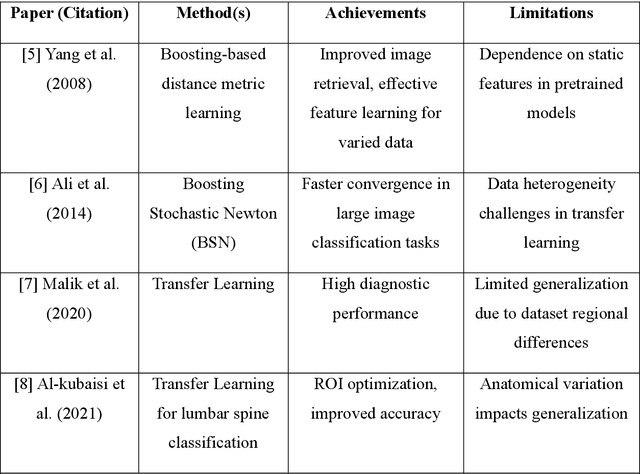
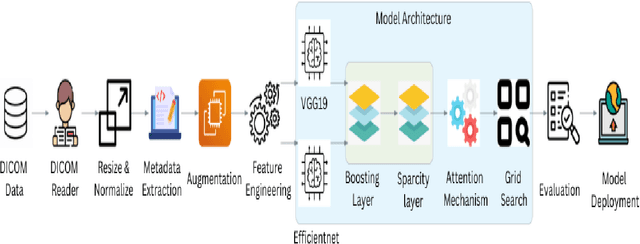
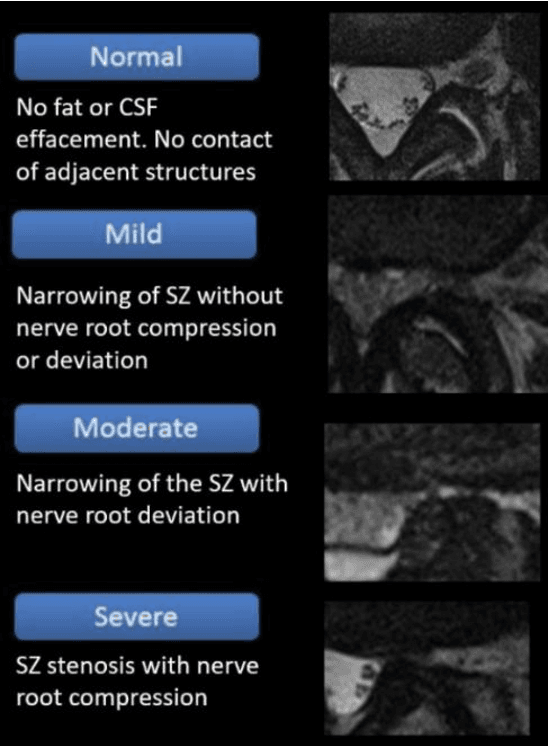
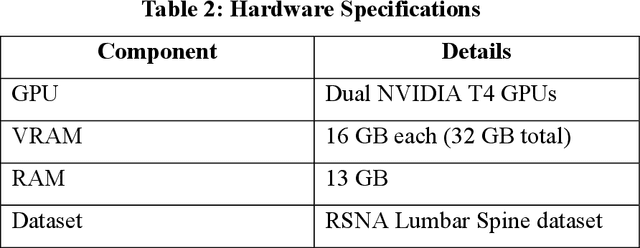
This paper proposes a new enhanced model architecture to perform classification of lumbar spine degeneration with DICOM images while using a hybrid approach, integrating EfficientNet and VGG19 together with custom-designed components. The proposed model is differentiated from traditional transfer learning methods as it incorporates a Pseudo-Newton Boosting layer along with a Sparsity-Induced Feature Reduction Layer that forms a multi-tiered framework, further improving feature selection and representation. The Pseudo-Newton Boosting layer makes smart variations of feature weights, with more detailed anatomical features, which are mostly left out in a transfer learning setup. In addition, the Sparsity-Induced Layer removes redundancy for learned features, producing lean yet robust representations for pathology in the lumbar spine. This architecture is novel as it overcomes the constraints in the traditional transfer learning approach, especially in the high-dimensional context of medical images, and achieves a significant performance boost, reaching a precision of 0.9, recall of 0.861, F1 score of 0.88, loss of 0.18, and an accuracy of 88.1%, compared to the baseline model, EfficientNet. This work will present the architectures, preprocessing pipeline, and experimental results. The results contribute to the development of automated diagnostic tools for medical images.
A Novel Adaptive Hybrid Focal-Entropy Loss for Enhancing Diabetic Retinopathy Detection Using Convolutional Neural Networks
Nov 16, 2024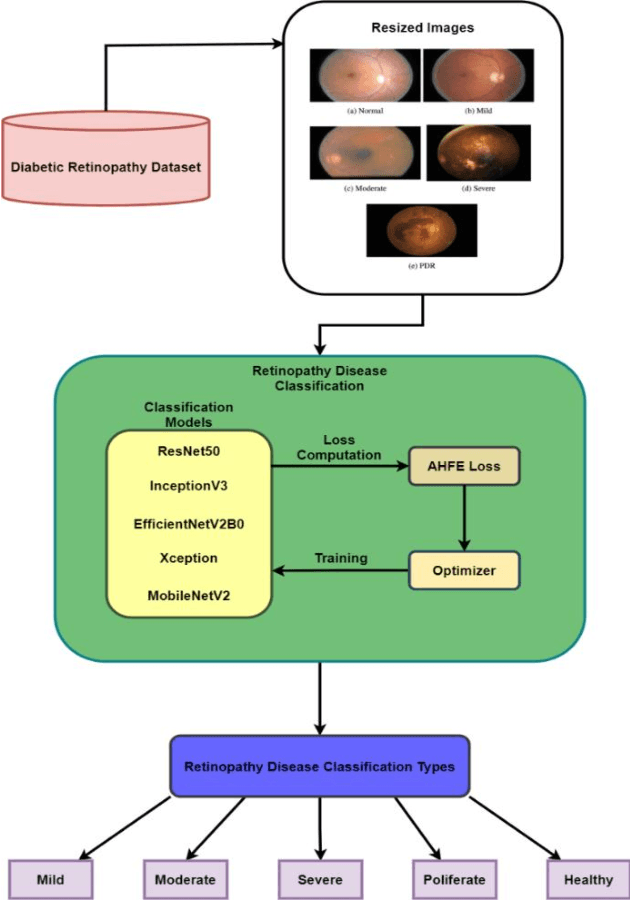
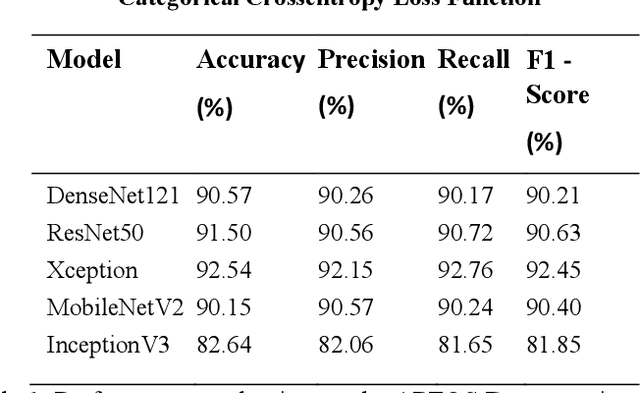
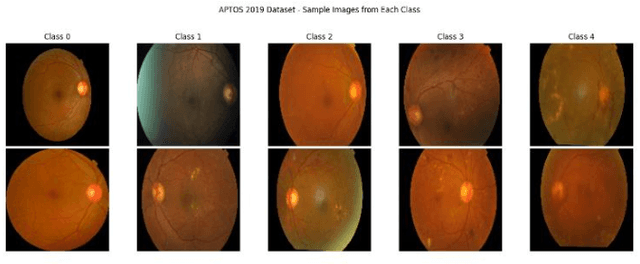
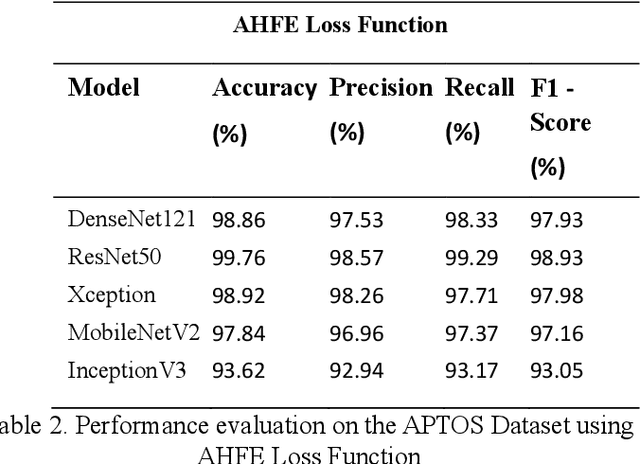
Diabetic retinopathy is a leading cause of blindness around the world and demands precise AI-based diagnostic tools. Traditional loss functions in multi-class classification, such as Categorical Cross-Entropy (CCE), are very common but break down with class imbalance, especially in cases with inherently challenging or overlapping classes, which leads to biased and less sensitive models. Since a heavy imbalance exists in the number of examples for higher severity stage 4 diabetic retinopathy, etc., classes compared to those very early stages like class 0, achieving class balance is key. For this purpose, we propose the Adaptive Hybrid Focal-Entropy Loss which combines the ideas of focal loss and entropy loss with adaptive weighting in order to focus on minority classes and highlight the challenging samples. The state-of-the art models applied for diabetic retinopathy detection with AHFE revealed good performance improvements, indicating the top performances of ResNet50 at 99.79%, DenseNet121 at 98.86%, Xception at 98.92%, MobileNetV2 at 97.84%, and InceptionV3 at 93.62% accuracy. This sheds light into how AHFE promotes enhancement in AI-driven diagnostics for complex and imbalanced medical datasets.
An Integrated Deep Learning Framework for Effective Brain Tumor Localization, Segmentation, and Classification from Magnetic Resonance Images
Sep 25, 2024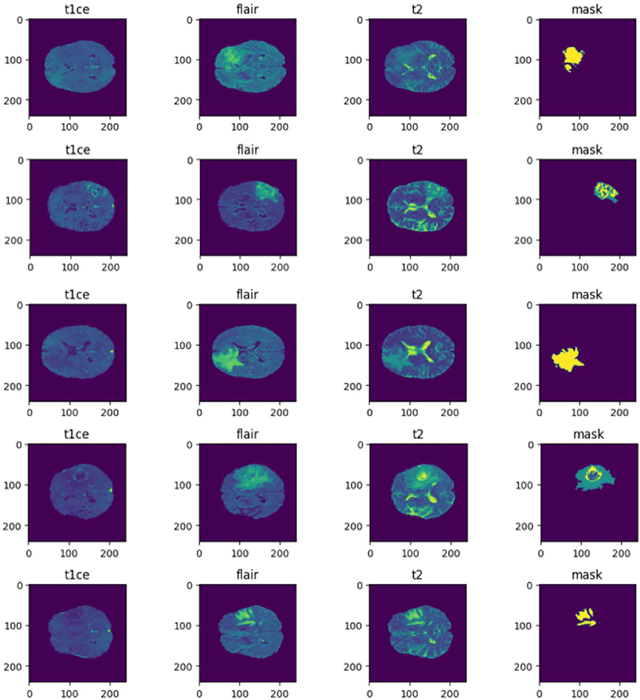
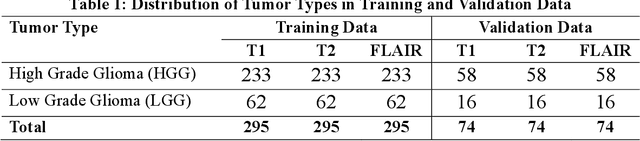
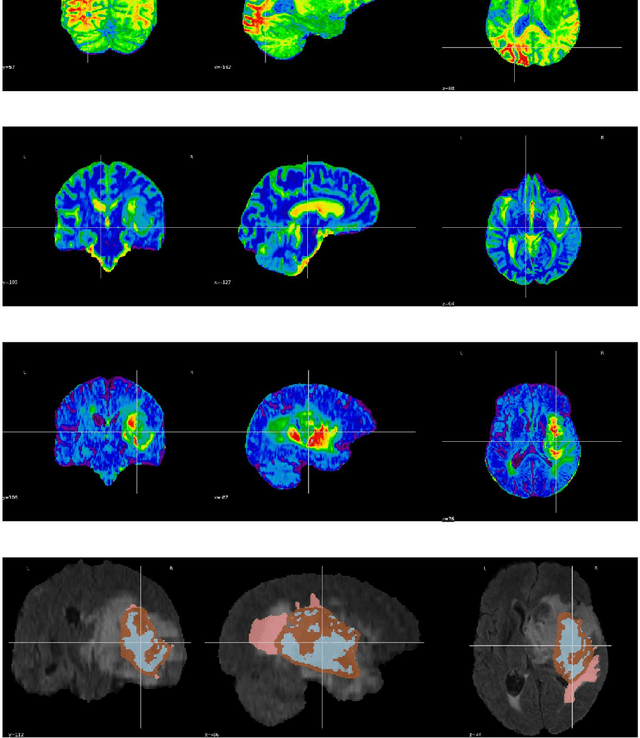
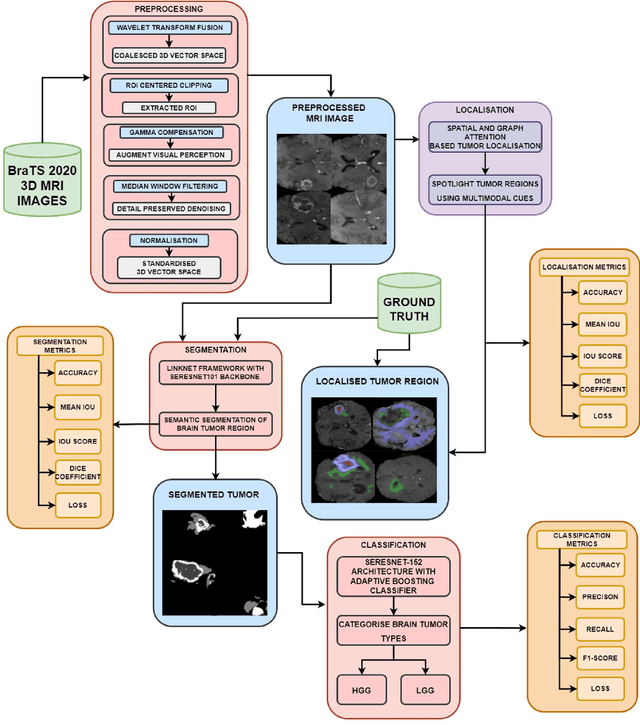
Tumors in the brain result from abnormal cell growth within the brain tissue, arising from various types of brain cells. When left undiagnosed, they lead to severe neurological deficits such as cognitive impairment, motor dysfunction, and sensory loss. As the tumor grows, it causes an increase in intracranial pressure, potentially leading to life-threatening complications such as brain herniation. Therefore, early detection and treatment are necessary to manage the complications caused by such tumors to slow down their growth. Numerous works involving deep learning (DL) and artificial intelligence (AI) are being carried out to assist physicians in early diagnosis by utilizing the scans obtained through Magnetic Resonance Imaging (MRI). Our research proposes DL frameworks for localizing, segmenting, and classifying the grade of these gliomas from MRI images to solve this critical issue. In our localization framework, we enhance the LinkNet framework with a VGG19- inspired encoder architecture for improved multimodal tumor feature extraction, along with spatial and graph attention mechanisms to refine feature focus and inter-feature relationships. Following this, we integrated the SeResNet101 CNN model as the encoder backbone into the LinkNet framework for tumor segmentation, which achieved an IoU Score of 96%. To classify the segmented tumors, we combined the SeResNet152 feature extractor with an Adaptive Boosting classifier, which yielded an accuracy of 98.53%. Our proposed models demonstrated promising results, with the potential to advance medical AI by enabling early diagnosis and providing more accurate treatment options for patients.
Leveraging SeNet and ResNet Synergy within an Encoder-Decoder Architecture for Glioma Detection
Sep 01, 2024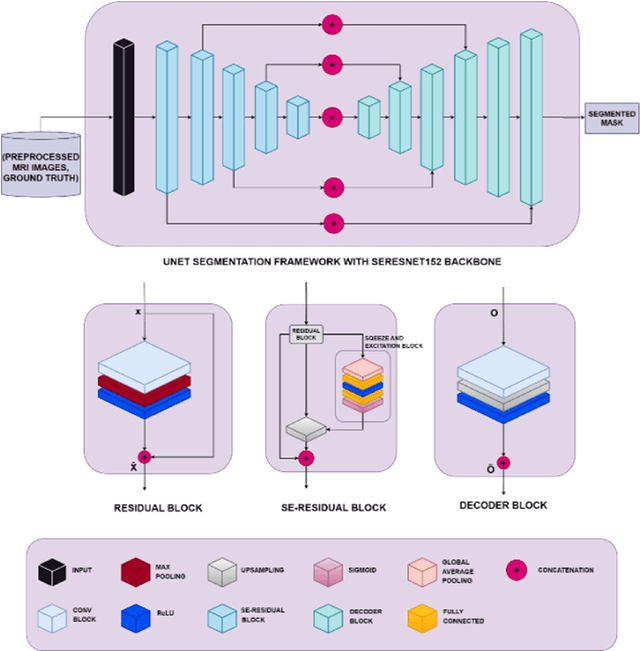
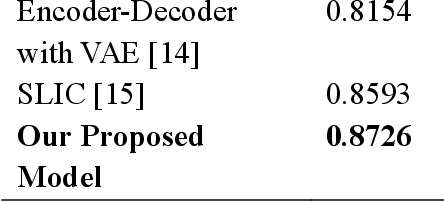
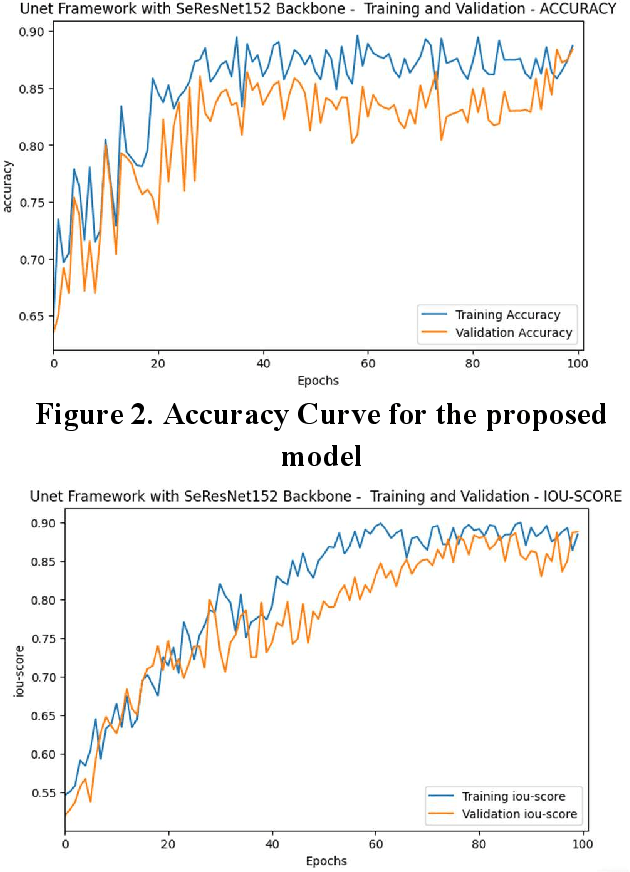
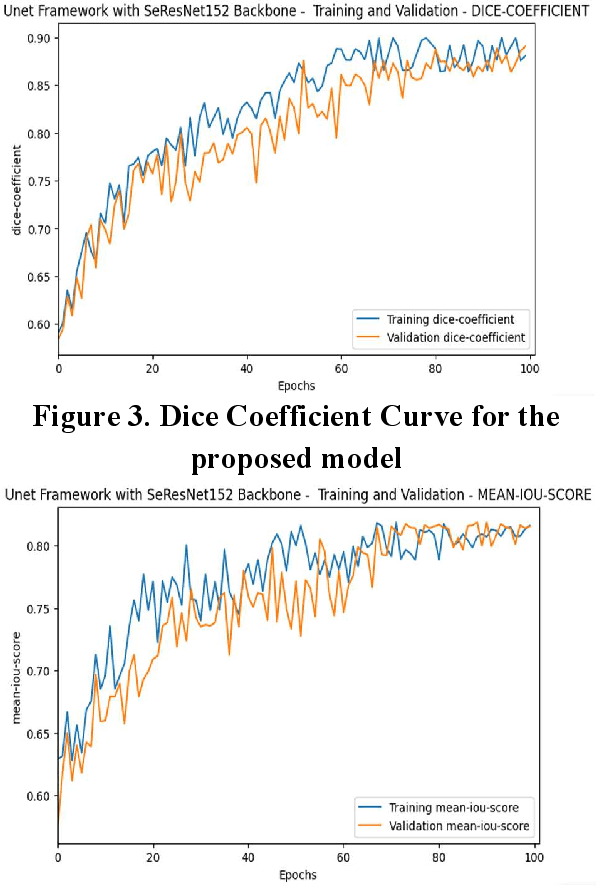
Brain tumors are abnormalities that can severely impact a patient's health, leading to life-threatening conditions such as cancer. These can result in various debilitating effects, including neurological issues, cognitive impairment, motor and sensory deficits, as well as emotional and behavioral changes. These symptoms significantly affect a patient's quality of life, making early diagnosis and timely treatment essential to prevent further deterioration. However, accurately segmenting the tumor region from medical images, particularly MRI scans, is a challenging and time-consuming task that requires the expertise of radiologists. Manual segmentation can also be prone to human errors. To address these challenges, this research leverages the synergy of SeNet and ResNet architectures within an encoder-decoder framework, designed specifically for glioma detection and segmentation. The proposed model incorporates the power of SeResNet-152 as the backbone, integrated into a robust encoder-decoder structure to enhance feature extraction and improve segmentation accuracy. This novel approach significantly reduces the dependency on manual tasks and improves the precision of tumor identification. Evaluation of the model demonstrates strong performance, achieving 87% in Dice Coefficient, 89.12% in accuracy, 88% in IoU score, and 82% in mean IoU score, showcasing its effectiveness in tackling the complex problem of brain tumor segmentation.
A Channel Attention-Driven Hybrid CNN Framework for Paddy Leaf Disease Detection
Jul 16, 2024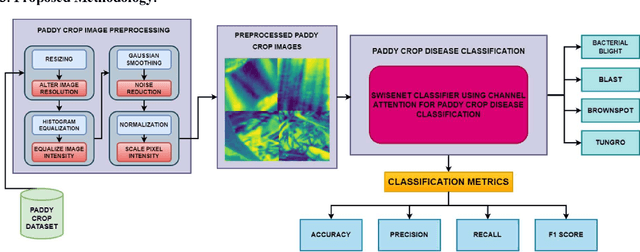
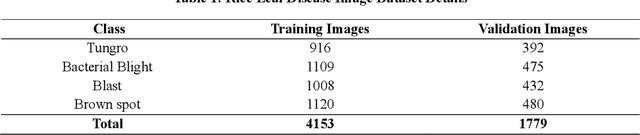
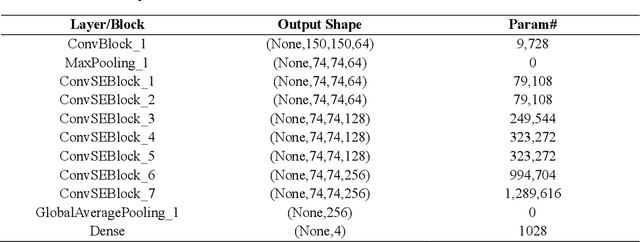
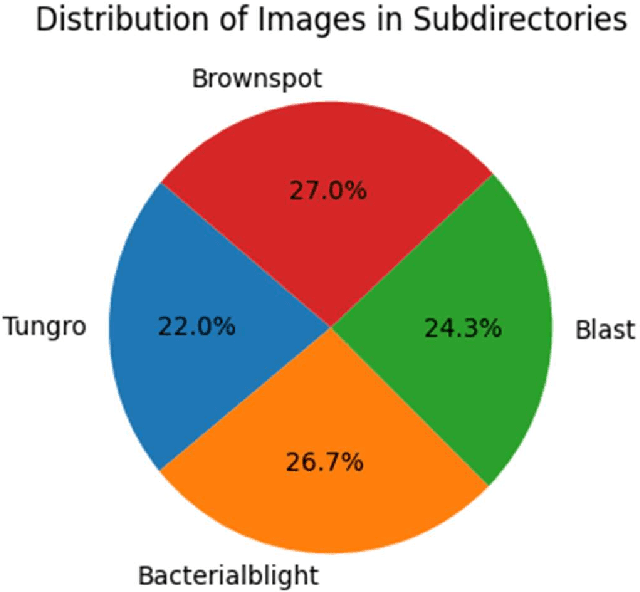
Farmers face various challenges when it comes to identifying diseases in rice leaves during their early stages of growth, which is a major reason for poor produce. Therefore, early and accurate disease identification is important in agriculture to avoid crop loss and improve cultivation. In this research, we propose a novel hybrid deep learning (DL) classifier designed by extending the Squeeze-and-Excitation network architecture with a channel attention mechanism and the Swish ReLU activation function. The channel attention mechanism in our proposed model identifies the most important feature channels required for classification during feature extraction and selection. The dying ReLU problem is mitigated by utilizing the Swish ReLU activation function, and the Squeeze-andExcitation blocks improve information propagation and cross-channel interaction. Upon evaluation, our model achieved a high F1-score of 99.76% and an accuracy of 99.74%, surpassing the performance of existing models. These outcomes demonstrate the potential of state-of-the-art DL techniques in agriculture, contributing to the advancement of more efficient and reliable disease detection systems.
A Dual-Attention Aware Deep Convolutional Neural Network for Early Alzheimer's Detection
Jul 15, 2024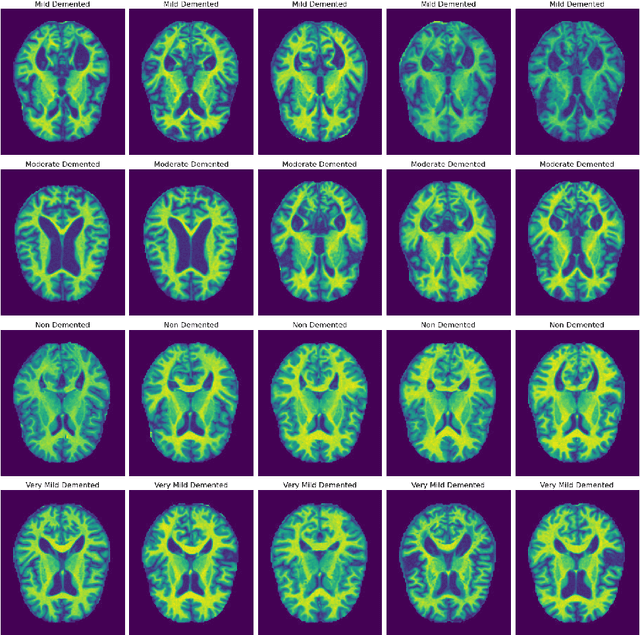
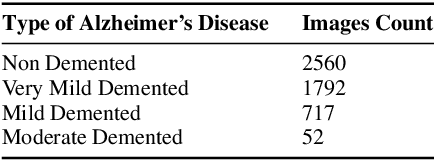
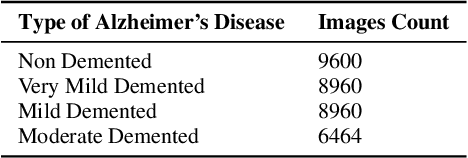
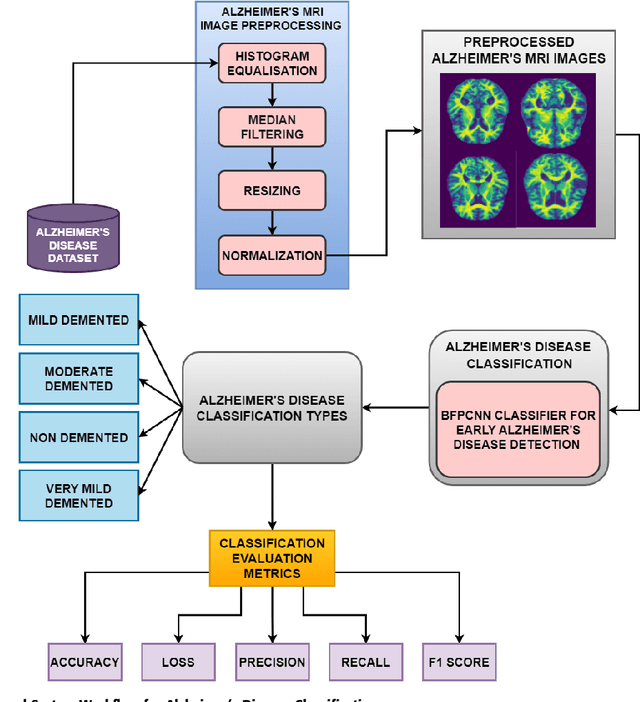
Alzheimer's disease (AD) represents the primary form of neurodegeneration, impacting millions of individuals each year and causing progressive cognitive decline. Accurately diagnosing and classifying AD using neuroimaging data presents ongoing challenges in medicine, necessitating advanced interventions that will enhance treatment measures. In this research, we introduce a dual attention enhanced deep learning (DL) framework for classifying AD from neuroimaging data. Combined spatial and self-attention mechanisms play a vital role in emphasizing focus on neurofibrillary tangles and amyloid plaques from the MRI images, which are difficult to discern with regular imaging techniques. Results demonstrate that our model yielded remarkable performance in comparison to existing state of the art (SOTA) convolutional neural networks (CNNs), with an accuracy of 99.1%. Moreover, it recorded remarkable metrics, with an F1-Score of 99.31%, a precision of 99.24%, and a recall of 99.5%. These results highlight the promise of cutting edge DL methods in medical diagnostics, contributing to highly reliable and more efficient healthcare solutions.
Multi-Attention Integrated Deep Learning Frameworks for Enhanced Breast Cancer Segmentation and Identification
Jul 03, 2024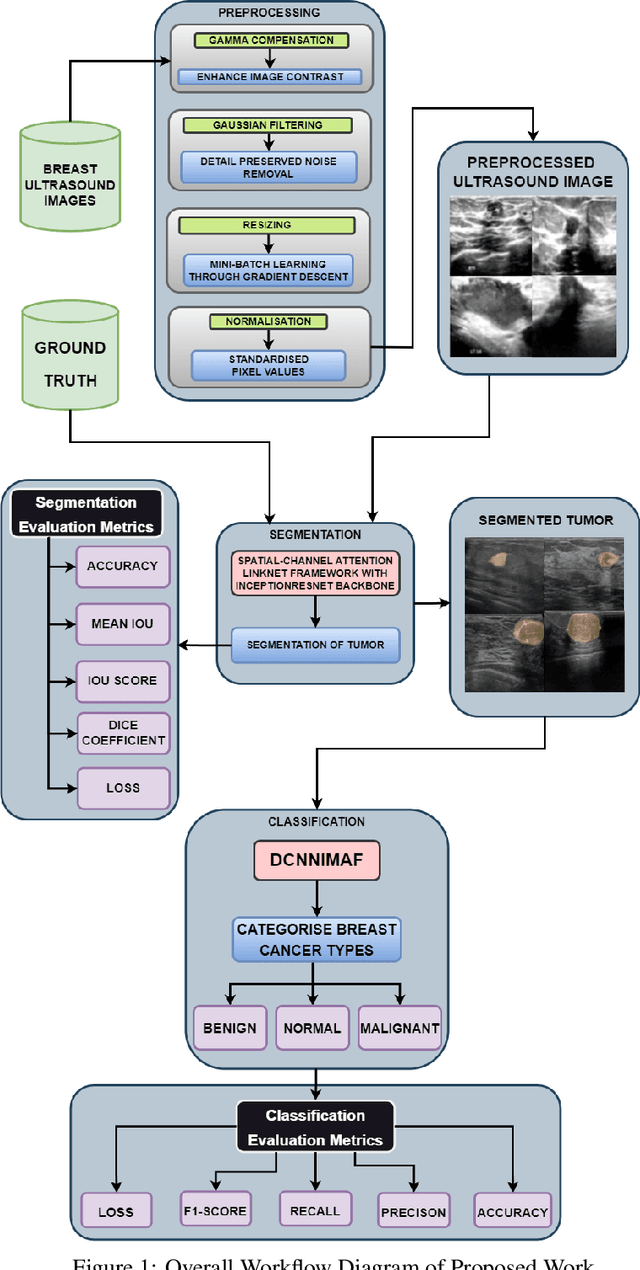
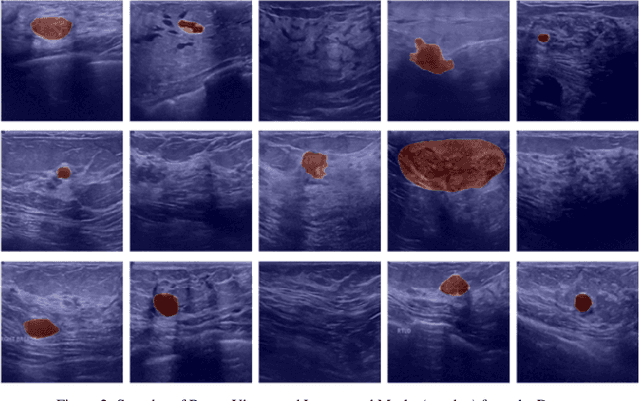
Breast cancer poses a profound threat to lives globally, claiming numerous lives each year. Therefore, timely detection is crucial for early intervention and improved chances of survival. Accurately diagnosing and classifying breast tumors using ultrasound images is a persistent challenge in medicine, demanding cutting-edge solutions for improved treatment strategies. This research introduces multiattention-enhanced deep learning (DL) frameworks designed for the classification and segmentation of breast cancer tumors from ultrasound images. A spatial channel attention mechanism is proposed for segmenting tumors from ultrasound images, utilizing a novel LinkNet DL framework with an InceptionResNet backbone. Following this, the paper proposes a deep convolutional neural network with an integrated multi-attention framework (DCNNIMAF) to classify the segmented tumor as benign, malignant, or normal. From experimental results, it is observed that the segmentation model has recorded an accuracy of 98.1%, with a minimal loss of 0.6%. It has also achieved high Intersection over Union (IoU) and Dice Coefficient scores of 96.9% and 97.2%, respectively. Similarly, the classification model has attained an accuracy of 99.2%, with a low loss of 0.31%. Furthermore, the classification framework has achieved outstanding F1-Score, precision, and recall values of 99.1%, 99.3%, and 99.1%, respectively. By offering a robust framework for early detection and accurate classification of breast cancer, this proposed work significantly advances the field of medical image analysis, potentially improving diagnostic precision and patient outcomes.