 Add to Chrome
 Add to Firefox
 Add to Edge
AI and Consumer Rights in India Working Paper
Aug 13, 2026
As AI systems proliferate in consumer facing applications, questions about liability for AI related harms remain unresolved. This working paper examines whether India's Consumer Protection Act, 2019, adequately addresses harm caused by defective AI products and services, and whether it proportionately allocates liability across the AI value chain. The Act's broad definitions of product liability, harm, and deficiency appear technology agnostic and potentially applicable to AI related incidents including personal injury, psychological harm, biased outputs, and loss of control. However, significant gaps remain. Proving causation between AI defects and consumer harm presents a technical challenge, as AI failures often stem from design choices rather than discrete defects. Additionally, the Act's framework assumes distinct roles for manufacturers, sellers, and service providers, yet the AI value chain involves overlapping responsibilities among data providers, model developers, deployers, and users that do not neatly map to these categories. Current liability frameworks lack proportionate mechanisms to effectively address complex, multistakeholder AI harms. While the Act may cover AI entities, enforcement requires clarification on sector specific overlaps.

The Algorithmic-Human Manager: AI, Apps, and Workers in the Indian Gig Economy
Jun 18, 2026This paper examines the impact of artificial intelligence and digital technologies on the blue-collar gig economy in India, focusing on algorithmic management. This paper examines the impact of artificial intelligence and digital technologies on the blue collar gig economy in India, focusing on algorithmic management he use of automated systems to allocate, monitor, and evaluate work in location-based services such as ride sharing and delivery. Using a social justice framework and a mixed-methods approach comprising interviews with 16 gig workers and 21 key stakeholders, the study uncovers a dual reality: while AI-powered systems expand access to work and generate operational efficiencies, they simultaneously introduce significant challenges related to fairness, transparency, and worker dignity. Key findings reveal that algorithmic systems are opaque by design, produce inequitable outcomes, and are not structured to reward additional labour with proportionate pay. The study advocates for a pragmatic hybrid governance model an Algorithmic Human Manager framework in which technological efficiency and human accountability operate together rather than in opposition. The findings carry implications for policymakers, platform companies, and civil society organizations working to design equitable AI governance frameworks for the gig economy in India and across the Global South.
PolicyBot - Reliable Question Answering over Policy Documents
Nov 17, 2025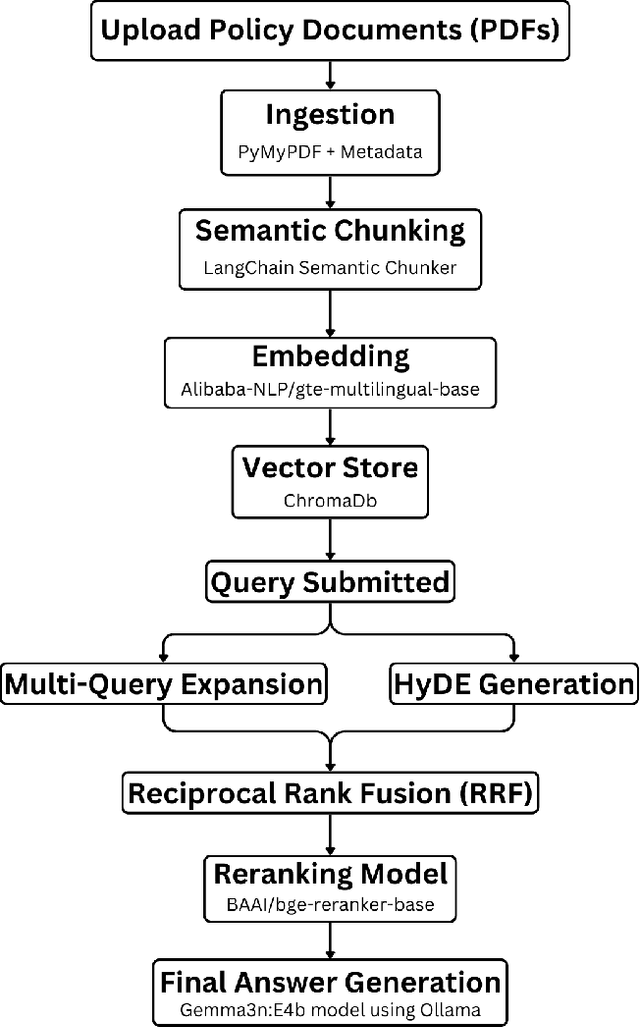
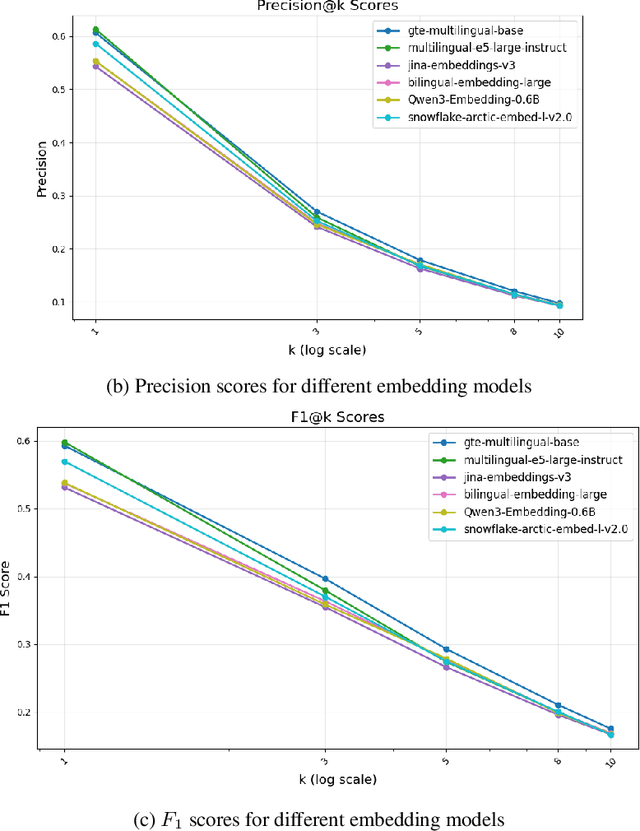
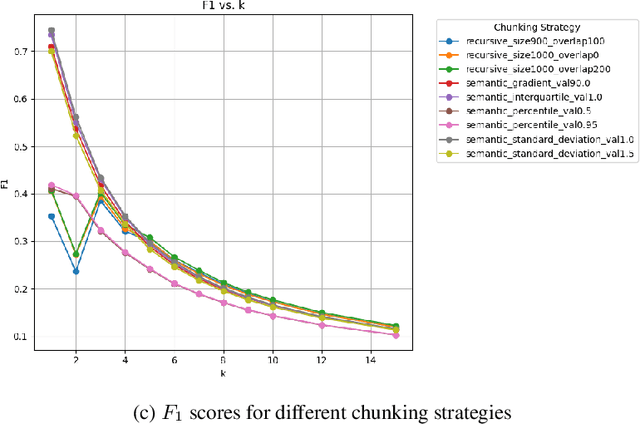
All citizens of a country are affected by the laws and policies introduced by their government. These laws and policies serve essential functions for citizens. Such as granting them certain rights or imposing specific obligations. However, these documents are often lengthy, complex, and difficult to navigate, making it challenging for citizens to locate and understand relevant information. This work presents PolicyBot, a retrieval-augmented generation (RAG) system designed to answer user queries over policy documents with a focus on transparency and reproducibility. The system combines domain-specific semantic chunking, multilingual dense embeddings, multi-stage retrieval with reranking, and source-aware generation to provide responses grounded in the original documents. We implemented citation tracing to reduce hallucinations and improve user trust, and evaluated alternative retrieval and generation configurations to identify effective design choices. The end-to-end pipeline is built entirely with open-source tools, enabling easy adaptation to other domains requiring document-grounded question answering. This work highlights design considerations, practical challenges, and lessons learned in deploying trustworthy RAG systems for governance-related contexts.