 Add to Chrome
 Add to Firefox
 Add to Edge
ML Inference Scheduling with Predictable Latency
Dec 24, 2025

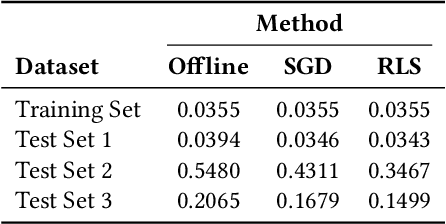
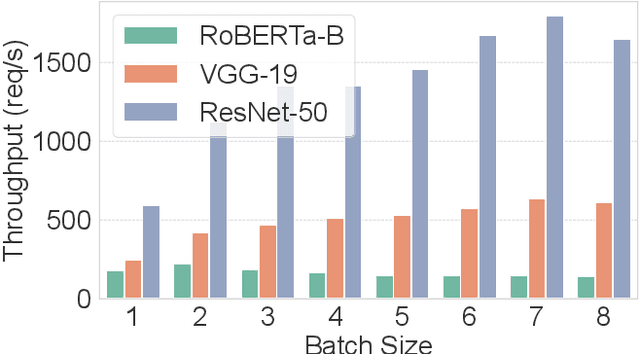
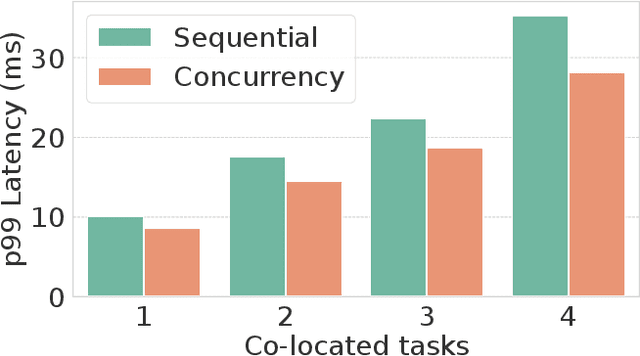
Machine learning (ML) inference serving systems can schedule requests to improve GPU utilization and to meet service level objectives (SLOs) or deadlines. However, improving GPU utilization may compromise latency-sensitive scheduling, as concurrent tasks contend for GPU resources and thereby introduce interference. Given that interference effects introduce unpredictability in scheduling, neglecting them may compromise SLO or deadline satisfaction. Nevertheless, existing interference prediction approaches remain limited in several respects, which may restrict their usefulness for scheduling. First, they are often coarse-grained, which ignores runtime co-location dynamics and thus restricts their accuracy in interference prediction. Second, they tend to use a static prediction model, which may not effectively cope with different workload characteristics. In this paper, we evaluate the potential limitations of existing interference prediction approaches, finding that coarse-grained methods can lead to noticeable deviations in prediction accuracy and that static models degrade considerably under changing workloads.
* Accepted at MAIoT@Middleware 2025

A study of existing Ontologies in the IoT-domain
Jul 01, 2017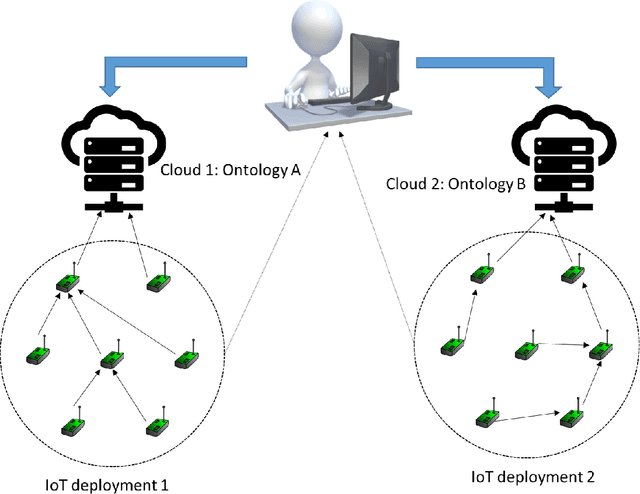
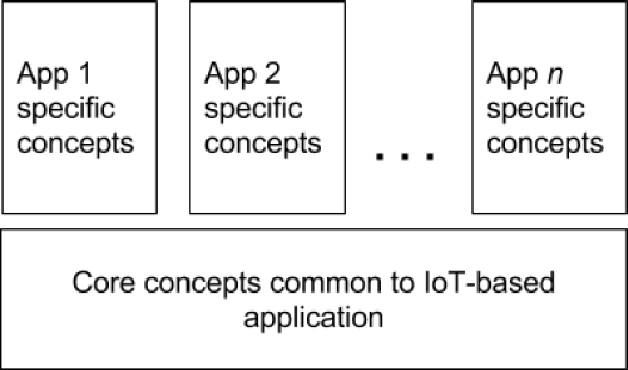
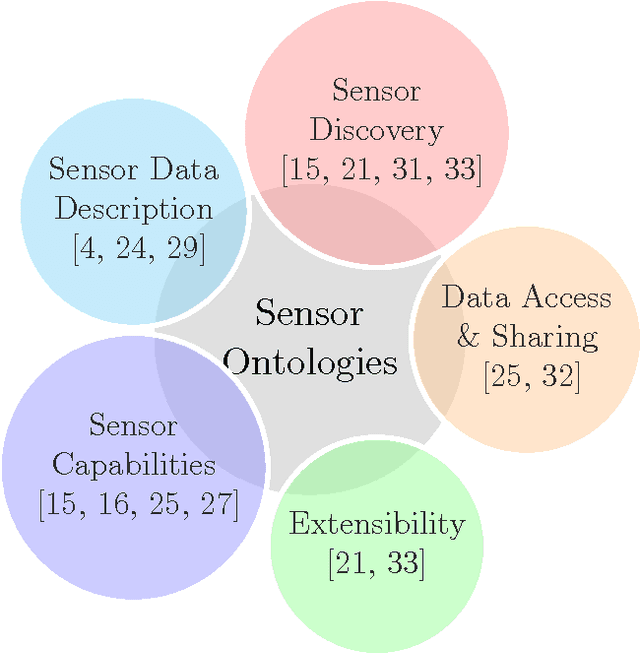
Several domains have adopted the increasing use of IoT-based devices to collect sensor data for generating abstractions and perceptions of the real world. This sensor data is multi-modal and heterogeneous in nature. This heterogeneity induces interoperability issues while developing cross-domain applications, thereby restricting the possibility of reusing sensor data to develop new applications. As a solution to this, semantic approaches have been proposed in the literature to tackle problems related to interoperability of sensor data. Several ontologies have been proposed to handle different aspects of IoT-based sensor data collection, ranging from discovering the IoT sensors for data collection to applying reasoning on the collected sensor data for drawing inferences. In this paper, we survey these existing semantic ontologies to provide an overview of the recent developments in this field. We highlight the fundamental ontological concepts (e.g., sensor-capabilities and context-awareness) required for an IoT-based application, and survey the existing ontologies which include these concepts. Based on our study, we also identify the shortcomings of currently available ontologies, which serves as a stepping stone to state the need for a common unified ontology for the IoT domain.