 Add to Chrome
 Add to Firefox
 Add to Edge
ML Inference Scheduling with Predictable Latency
Dec 24, 2025

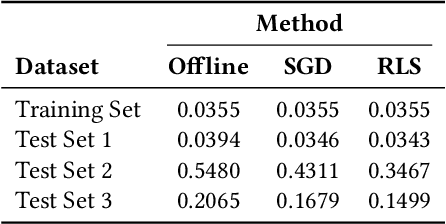
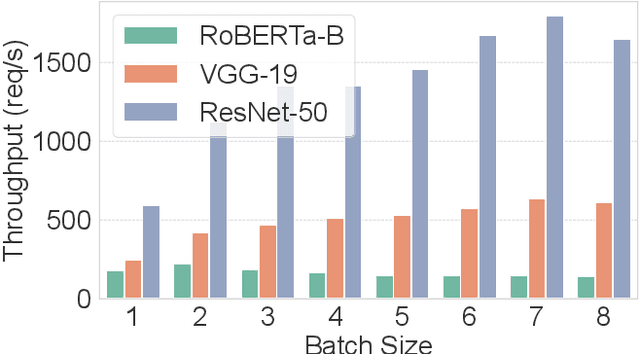
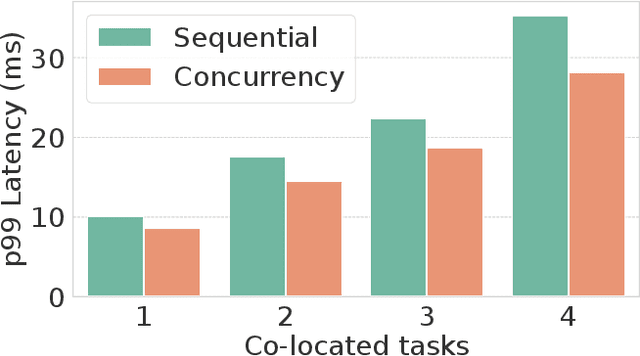
Machine learning (ML) inference serving systems can schedule requests to improve GPU utilization and to meet service level objectives (SLOs) or deadlines. However, improving GPU utilization may compromise latency-sensitive scheduling, as concurrent tasks contend for GPU resources and thereby introduce interference. Given that interference effects introduce unpredictability in scheduling, neglecting them may compromise SLO or deadline satisfaction. Nevertheless, existing interference prediction approaches remain limited in several respects, which may restrict their usefulness for scheduling. First, they are often coarse-grained, which ignores runtime co-location dynamics and thus restricts their accuracy in interference prediction. Second, they tend to use a static prediction model, which may not effectively cope with different workload characteristics. In this paper, we evaluate the potential limitations of existing interference prediction approaches, finding that coarse-grained methods can lead to noticeable deviations in prediction accuracy and that static models degrade considerably under changing workloads.
* Accepted at MAIoT@Middleware 2025
