 Add to Chrome
 Add to Firefox
 Add to Edge
Evaluating Fine-Tuned LLM Model For Medical Transcription With Small Low-Resource Languages Validated Dataset
Mar 25, 2026
Clinical documentation is a critical factor for patient safety, diagnosis, and continuity of care. The administrative burden of EHRs is a significant factor in physician burnout. This is a critical issue for low-resource languages, including Finnish. This study aims to investigate the effectiveness of a domain-aligned natural language processing (NLP); large language model for medical transcription in Finnish by fine-tuning LLaMA 3.1-8B on a small validated corpus of simulated clinical conversations by students at Metropolia University of Applied Sciences. The fine-tuning process for medical transcription used a controlled preprocessing and optimization approach. The fine-tuning effectiveness was evaluated by sevenfold cross-validation. The evaluation metrics for fine-tuned LLaMA 3.1-8B were BLEU = 0.1214, ROUGE-L = 0.4982, and BERTScore F1 = 0.8230. The results showed a low n-gram overlap but a strong semantic similarity with reference transcripts. This study indicate that fine-tuning can be an effective approach for translation of medical discourse in spoken Finnish and support the feasibility of fine-tuning a privacy-oriented domain-specific large language model for clinical documentation in Finnish. Beside that provide directions for future work.

ANOVA-based Automatic Attribute Selection and a Predictive Model for Heart Disease Prognosis
Jul 30, 2022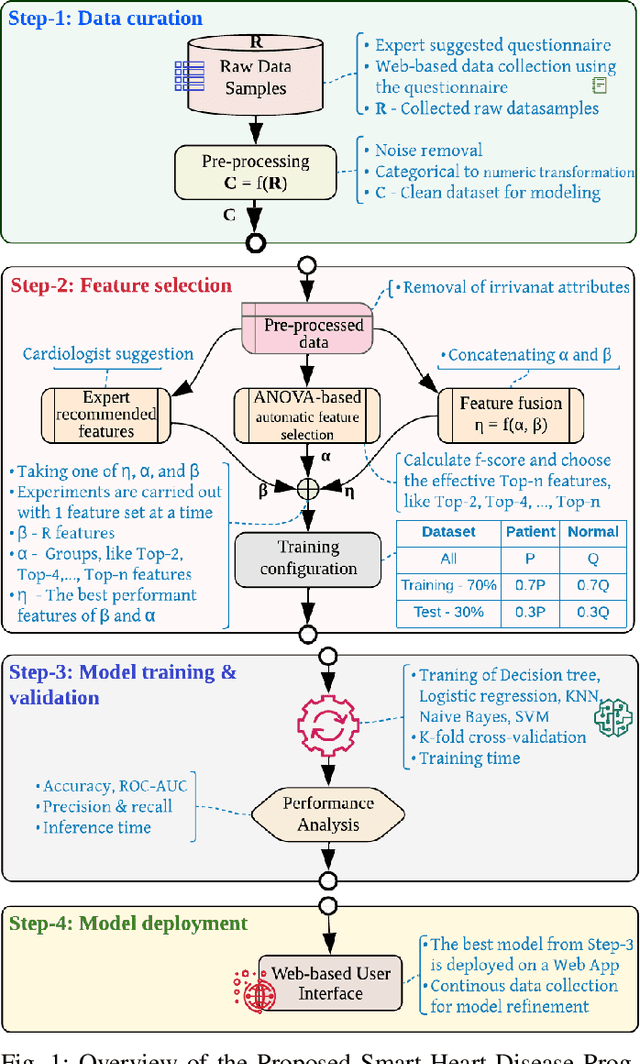
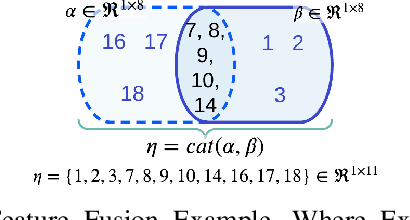
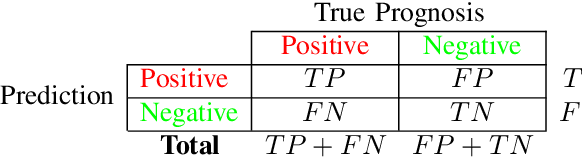
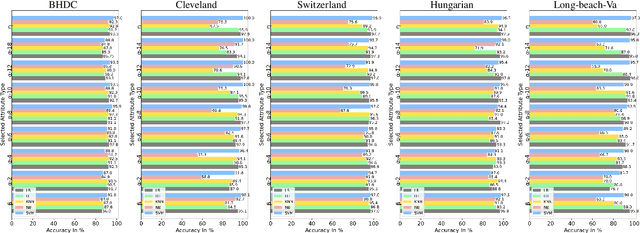
Studies show that Studies that cardiovascular diseases (CVDs) are malignant for human health. Thus, it is important to have an efficient way of CVD prognosis. In response to this, the healthcare industry has adopted machine learning-based smart solutions to alleviate the manual process of CVD prognosis. Thus, this work proposes an information fusion technique that combines key attributes of a person through analysis of variance (ANOVA) and domain experts' knowledge. It also introduces a new collection of CVD data samples for emerging research. There are thirty-eight experiments conducted exhaustively to verify the performance of the proposed framework on four publicly available benchmark datasets and the newly created dataset in this work. The ablation study shows that the proposed approach can achieve a competitive mean average accuracy (mAA) of 99.2% and a mean average AUC of 97.9%.