 Add to Chrome
 Add to Firefox
 Add to Edge
Creativity in the Age of AI: Rethinking the Role of Intentional Agency
Jan 22, 2026
Many theorists of creativity maintain that intentional agency is a necessary condition of creativity. We argue that this requirement, which we call the Intentional Agency Condition (IAC), should be rejected as a general condition of creativity, while retaining its relevance in specific contexts. We show that recent advances in generative AI have rendered the IAC increasingly problematic, both descriptively and functionally. We offer two reasons for abandoning it at the general level. First, we present corpus evidence indicating that authors and journalists are increasingly comfortable ascribing creativity to generative AI, despite its lack of intentional agency. This development places pressure on the linguistic intuitions that have traditionally been taken to support the IAC. Second, drawing on the method of conceptual engineering, we argue that the IAC no longer fulfils its core social function. Rather than facilitating the identification and encouragement of reliable sources of novel and valuable products, it now feeds into biases that distort our assessments of AI-generated outputs. We therefore propose replacing the IAC with a consistency requirement, according to which creativity tracks the reliable generation of novel and valuable products. Nonetheless, we explain why the IAC should be retained in specific local domains.

Fairness and Bias in Algorithmic Hiring
Sep 25, 2023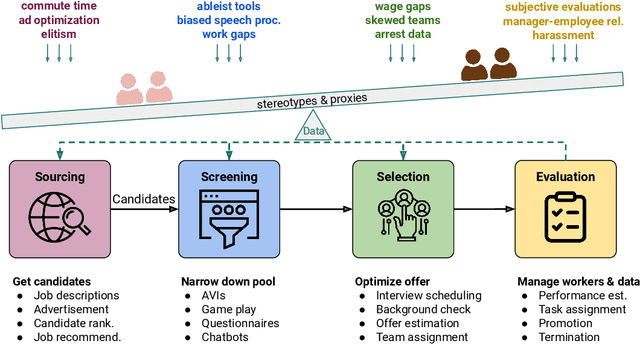
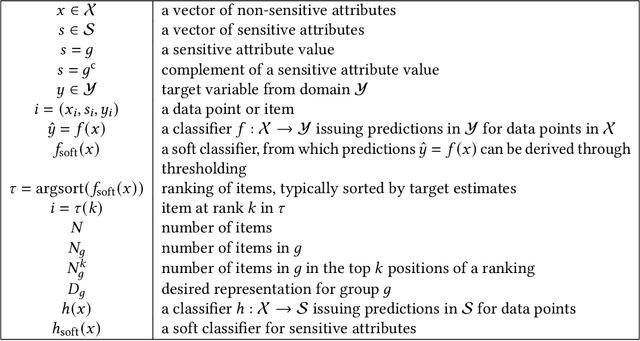
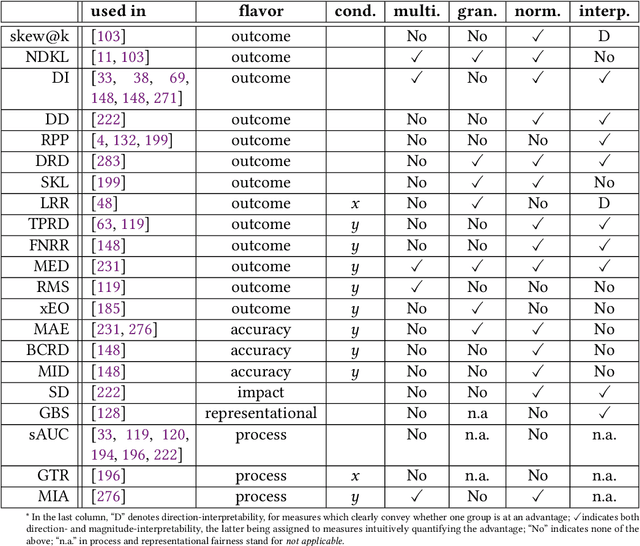
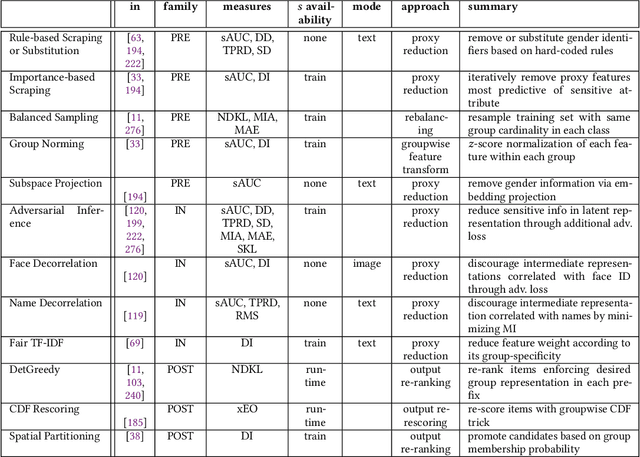
Employers are adopting algorithmic hiring technology throughout the recruitment pipeline. Algorithmic fairness is especially applicable in this domain due to its high stakes and structural inequalities. Unfortunately, most work in this space provides partial treatment, often constrained by two competing narratives, optimistically focused on replacing biased recruiter decisions or pessimistically pointing to the automation of discrimination. Whether, and more importantly what types of, algorithmic hiring can be less biased and more beneficial to society than low-tech alternatives currently remains unanswered, to the detriment of trustworthiness. This multidisciplinary survey caters to practitioners and researchers with a balanced and integrated coverage of systems, biases, measures, mitigation strategies, datasets, and legal aspects of algorithmic hiring and fairness. Our work supports a contextualized understanding and governance of this technology by highlighting current opportunities and limitations, providing recommendations for future work to ensure shared benefits for all stakeholders.