 Add to Chrome
 Add to Firefox
 Add to Edge
Scrapyard AI
Apr 09, 2026
This paper considers AI model churn as an opportunity for frugal investigation of large AI models. It describes how the incessant push for ever more powerful AI systems leaves in its wake a collection of obsolete yet powerful AI models, discarded in a veritable scrapyard of AI production. This scrapyard offers a potent opportunity for resource-constrained experimentation into AI systems. As in the physical scrapyard, nothing ever truly disappears in the AI scrapyard, it is just waiting to be reconfigured into something else. Project Nudge-x is an example of what can emerge from the AI scrapyard. Nudge-x seeks to manipulate legacy AI models to describe how mining sites across the planet are impacting landscapes and lives. By sharing this collection of brutal landscape interventions with people and AI systems alike, Nudge-x creates a venue for the appreciation of a history sadly shared between AI and people.

From images in the wild to video-informed image classification
Sep 24, 2021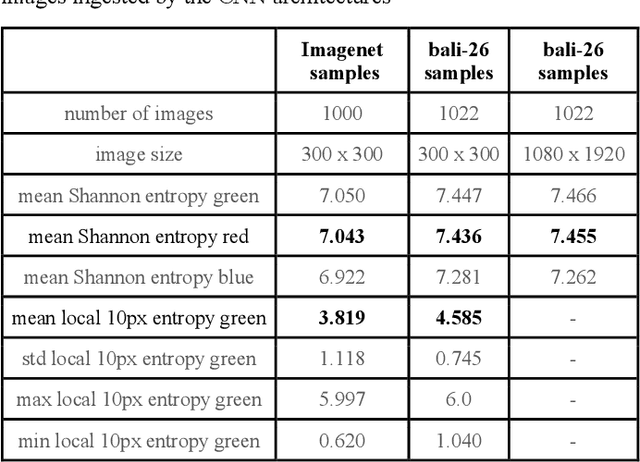
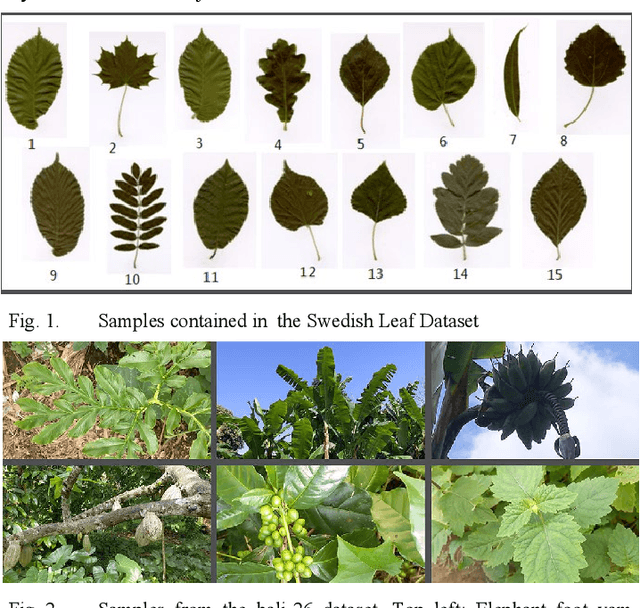
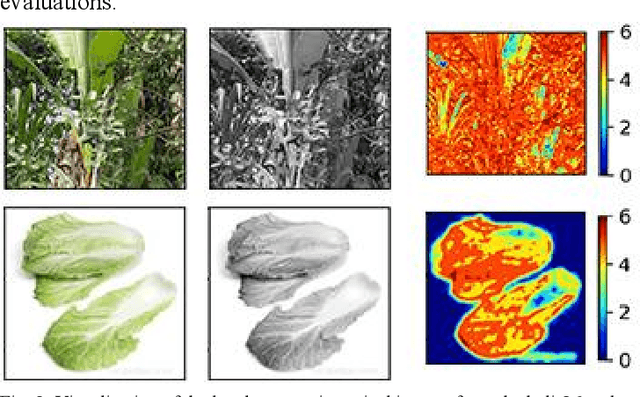
Image classifiers work effectively when applied on structured images, yet they often fail when applied on images with very high visual complexity. This paper describes experiments applying state-of-the-art object classifiers toward a unique set of images in the wild with high visual complexity collected on the island of Bali. The text describes differences between actual images in the wild and images from Imagenet, and then discusses a novel approach combining informational cues particular to video with an ensemble of imperfect classifiers in order to improve classification results on video sourced images of plants in the wild.
* 6 pages, 7 figures, supplemental materials
Classification, Slippage, Failure and Discovery
Apr 08, 2021
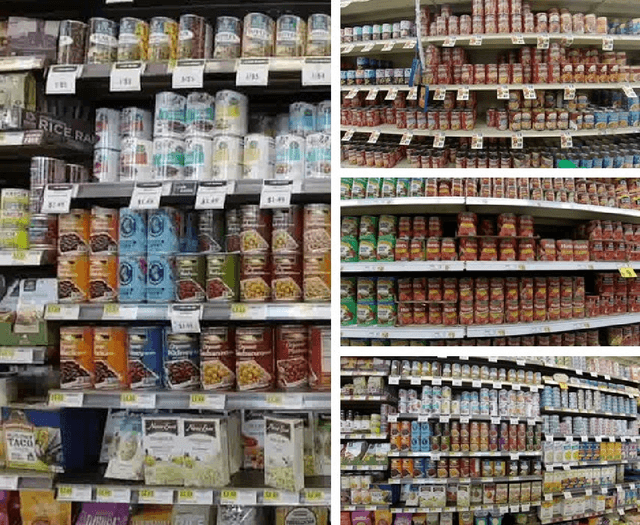
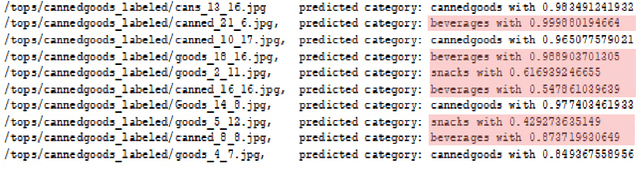
This text argues for the potential of machine learning infused classification systems as vectors for a technically-engaged and constructive technology critique. The text describes this potential with several experiments in image data creation and neural network based classification. The text considers varying aspects of slippage in classification and considers the potential for discovery - as opposed to disaster - stemming from machine learning systems when they fail to perform as anticipated.