 Add to Chrome
 Add to Firefox
 Add to Edge
RAPTOR+: A Visually Grounded Vision-Language Framework to Improve Clinical Trust and Auditability in Automated Cancer Referral Processing
May 25, 2026
Urgent suspected colorectal cancer (CRC) referrals create operational bottlenecks because semi-structured clinical documents often require manual review and transcription. The original RAPTOR system used Large Language Models for structured extraction but relied on a separate OCR stage, making it vulnerable to handwriting, layout variation, and loss of visual evidence linkage. We present RAPTOR+, a multimodal extension that uses Vision-Language Models (VLMs) for end-to-end referral understanding. We evaluate fine-tuned VLMs, commercial and open-source zero-shot VLMs, and the original OCR-based pipeline on 223 clinically curated CRC urgent referral forms. We also introduce a grounding-aware evaluation framework that measures both extraction accuracy and evidence localisation. Results show a clear grounding gap in zero-shot models. Gemini 2.5 Flash achieved 92.6% Reading Accuracy but only 1.2% Strict Safety. In contrast, fine-tuned Qwen3-VL-8B achieved 96.1% Reading Accuracy and 60.6% Strict Safety, substantially improving verifiable evidence grounding. These findings show that task-specific fine-tuning is essential for reliable, auditable clinical document understanding. RAPTOR+ enables extracted referral decisions to be linked to visual evidence, supporting safer and more efficient cancer referral triage.

Integrated BIM and Machine Learning System for Circularity Prediction of Construction Demolition Waste
Jul 20, 2024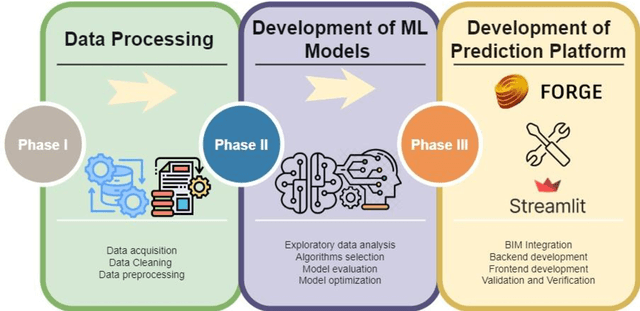

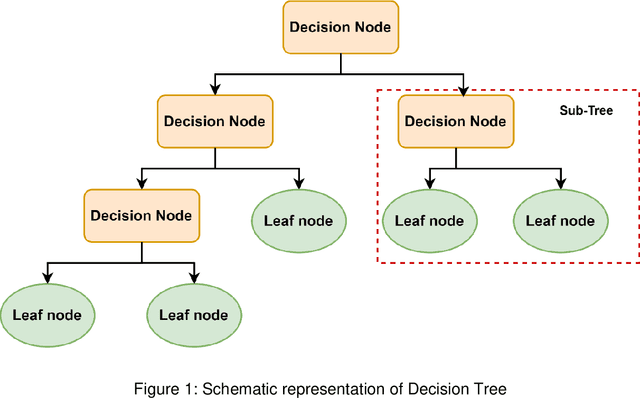
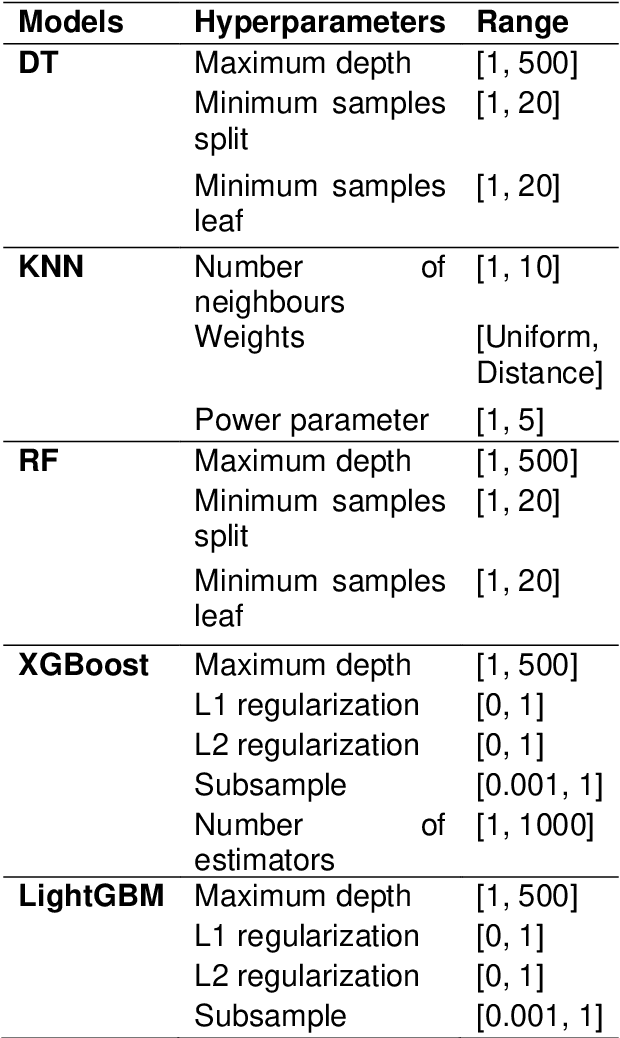
Effective management of construction and demolition waste (C&DW) is crucial for sustainable development, as the industry accounts for 40% of the waste generated globally. The effectiveness of the C&DW management relies on the proper quantification of C&DW to be generated. Despite demolition activities having larger contributions to C&DW generation, extant studies have focused on construction waste. The few extant studies on demolition are often from the regional level perspective and provide no circularity insights. Thus, this study advances demolition quantification via Variable Modelling (VM) with Machine Learning (ML). The demolition dataset of 2280 projects were leveraged for the ML modelling, with XGBoost model emerging as the best (based on the Copeland algorithm), achieving R2 of 0.9977 and a Mean Absolute Error of 5.0910 on the testing dataset. Through the integration of the ML model with Building Information Modelling (BIM), the study developed a system for predicting quantities of recyclable and landfill materials from building demolitions. This provides detailed insights into the circularity of demolition waste and facilitates better planning and management. The SHapley Additive exPlanations (SHAP) method highlighted the implications of the features for demolition waste circularity. The study contributes to empirical studies on pre-demolition auditing at the project level and provides practical tools for implementation. Its findings would benefit stakeholders in driving a circular economy in the industry.