 Add to Chrome
 Add to Firefox
 Add to Edge
A data-driven approach to linking design features with manufacturing process data for sustainable product development
Dec 10, 2025
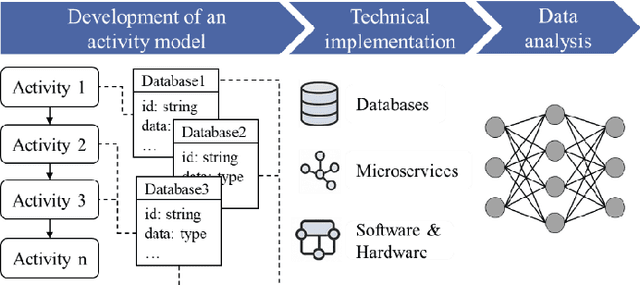
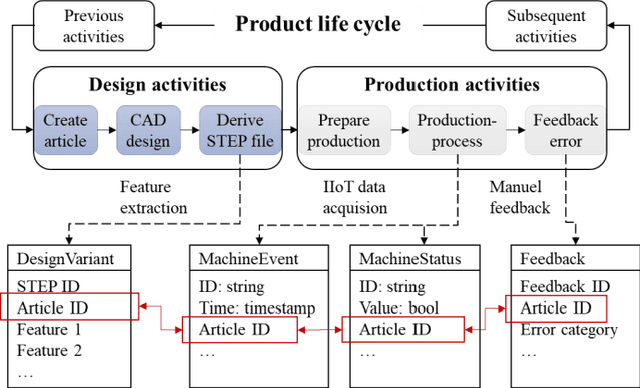
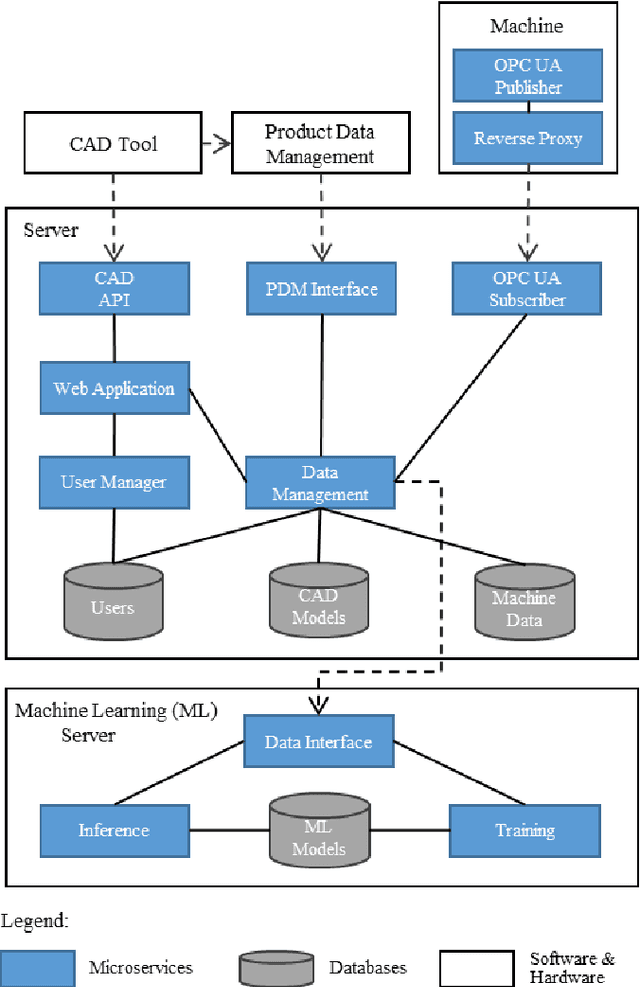
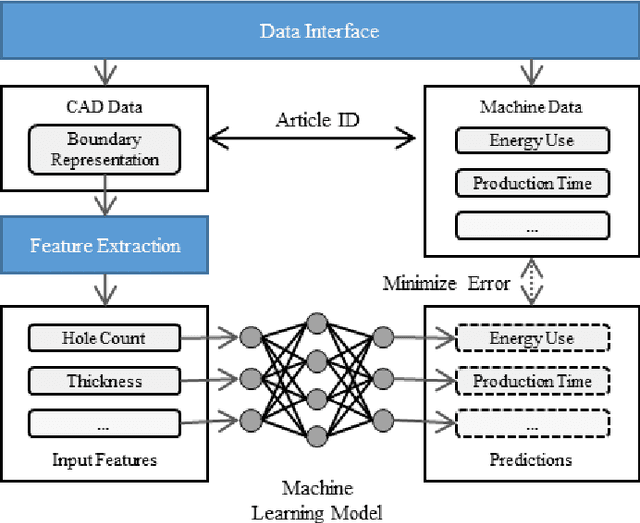
The growing adoption of Industrial Internet of Things (IIoT) technologies enables automated, real-time collection of manufacturing process data, unlocking new opportunities for data-driven product development. Current data-driven methods are generally applied within specific domains, such as design or manufacturing, with limited exploration of integrating design features and manufacturing process data. Since design decisions significantly affect manufacturing outcomes, such as error rates, energy consumption, and processing times, the lack of such integration restricts the potential for data-driven product design improvements. This paper presents a data-driven approach to mapping and analyzing the relationship between design features and manufacturing process data. A comprehensive system architecture is developed to ensure continuous data collection and integration. The linkage between design features and manufacturing process data serves as the basis for developing a machine learning model that enables automated design improvement suggestions. By integrating manufacturing process data with sustainability metrics, this approach opens new possibilities for sustainable product development.

CodeSCAN: ScreenCast ANalysis for Video Programming Tutorials
Sep 27, 2024Programming tutorials in the form of coding screencasts play a crucial role in programming education, serving both novices and experienced developers. However, the video format of these tutorials presents a challenge due to the difficulty of searching for and within videos. Addressing the absence of large-scale and diverse datasets for screencast analysis, we introduce the CodeSCAN dataset. It comprises 12,000 screenshots captured from the Visual Studio Code environment during development, featuring 24 programming languages, 25 fonts, and over 90 distinct themes, in addition to diverse layout changes and realistic user interactions. Moreover, we conduct detailed quantitative and qualitative evaluations to benchmark the performance of Integrated Development Environment (IDE) element detection, color-to-black-and-white conversion, and Optical Character Recognition (OCR). We hope that our contributions facilitate more research in coding screencast analysis, and we make the source code for creating the dataset and the benchmark publicly available on this website.
A Retrospective of the Tutorial on Opportunities and Challenges of Online Deep Learning
May 28, 2024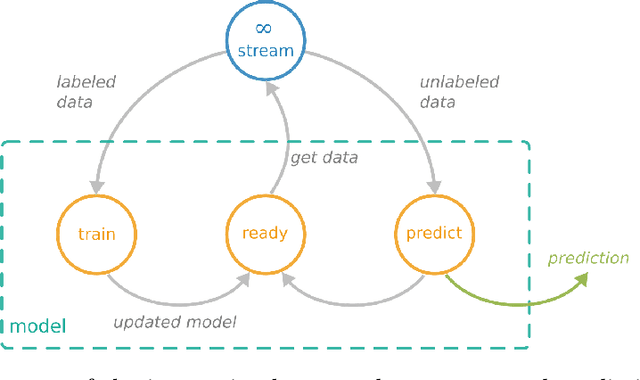
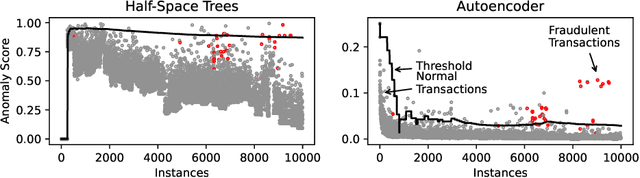
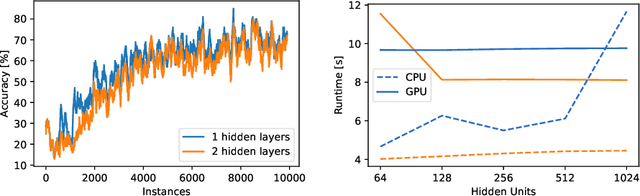
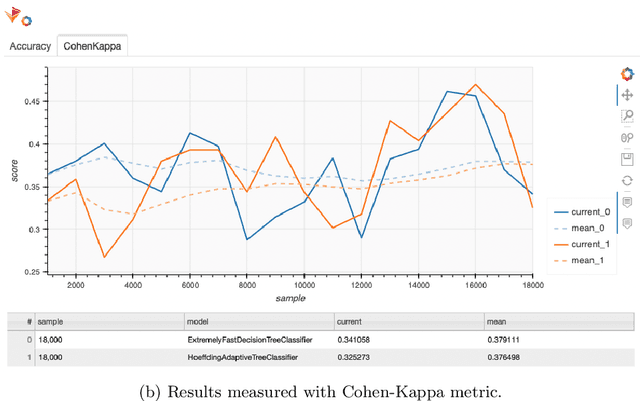
Machine learning algorithms have become indispensable in today's world. They support and accelerate the way we make decisions based on the data at hand. This acceleration means that data structures that were valid at one moment could no longer be valid in the future. With these changing data structures, it is necessary to adapt machine learning (ML) systems incrementally to the new data. This is done with the use of online learning or continuous ML technologies. While deep learning technologies have shown exceptional performance on predefined datasets, they have not been widely applied to online, streaming, and continuous learning. In this retrospective of our tutorial titled Opportunities and Challenges of Online Deep Learning held at ECML PKDD 2023, we provide a brief overview of the opportunities but also the potential pitfalls for the application of neural networks in online learning environments using the frameworks River and Deep-River.