 Add to Chrome
 Add to Firefox
 Add to Edge
ExECG: An Explainable AI Framework for ECG models
May 19, 2026
Deep learning has enabled ECG diagnostic models with strong performance in tasks such as arrhythmia classification and abnormality detection. However, accuracy alone is insufficient for clinical deployment because it does not explain why a specific output was produced, limiting justification, error analysis, and trust. Although ECG XAI has been extensively investigated and steadily improved, practical pipelines and reporting conventions vary across studies, hindering reuse and reproducibility. To address these issues, we present Explainable AI framework for ECG models (ExECG), a Python framework that provides a three-stage pipeline: Wrapper standardizes access across heterogeneous ECG formats and intermediate representations, Explainer unifies diverse XAI methods under a shared execution protocol, and Visualizer supports consistent cross-method comparison within a unified interface. We demonstrate end-to-end usage with concise examples and two case studies, highlighting interoperable and reproducible ECG explainability.

Foundation Models for Electrocardiograms
Jun 26, 2024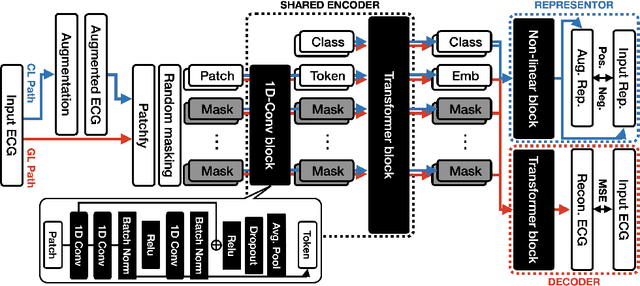
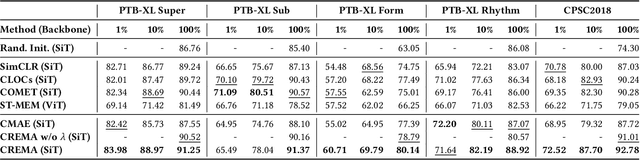
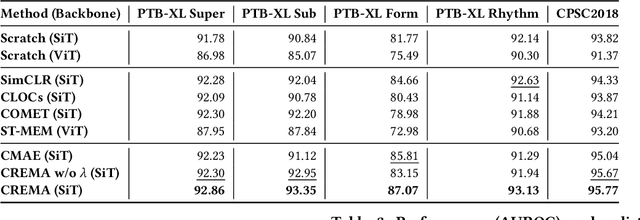
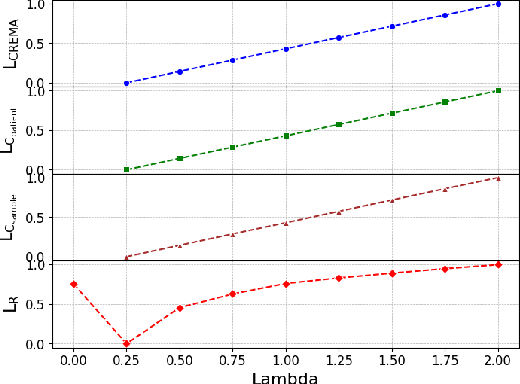
Foundation models, enhanced by self-supervised learning (SSL) techniques, represent a cutting-edge frontier in biomedical signal analysis, particularly for electrocardiograms (ECGs), crucial for cardiac health monitoring and diagnosis. This study conducts a comprehensive analysis of foundation models for ECGs by employing and refining innovative SSL methodologies - namely, generative and contrastive learning - on a vast dataset of over 1.1 million ECG samples. By customizing these methods to align with the intricate characteristics of ECG signals, our research has successfully developed foundation models that significantly elevate the precision and reliability of cardiac diagnostics. These models are adept at representing the complex, subtle nuances of ECG data, thus markedly enhancing diagnostic capabilities. The results underscore the substantial potential of SSL-enhanced foundation models in clinical settings and pave the way for extensive future investigations into their scalable applications across a broader spectrum of medical diagnostics. This work sets a benchmark in the ECG field, demonstrating the profound impact of tailored, data-driven model training on the efficacy and accuracy of medical diagnostics.