 Add to Chrome
 Add to Firefox
 Add to Edge
ggRandomForests: Exploring Random Forest Survival
Dec 28, 2016
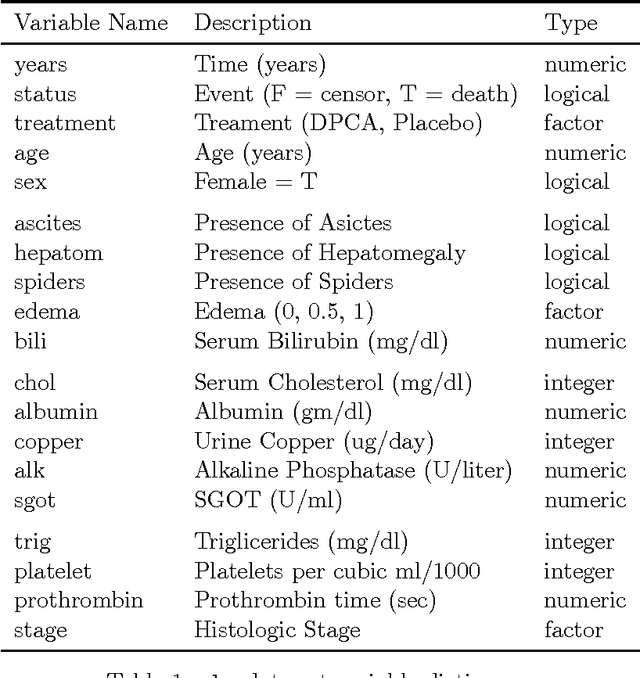
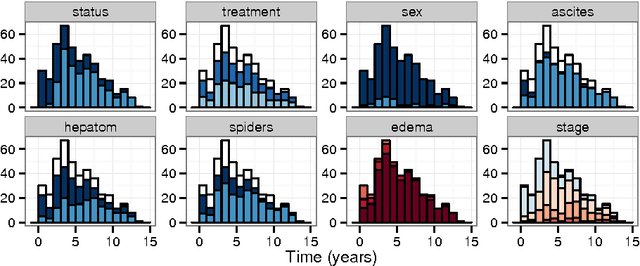
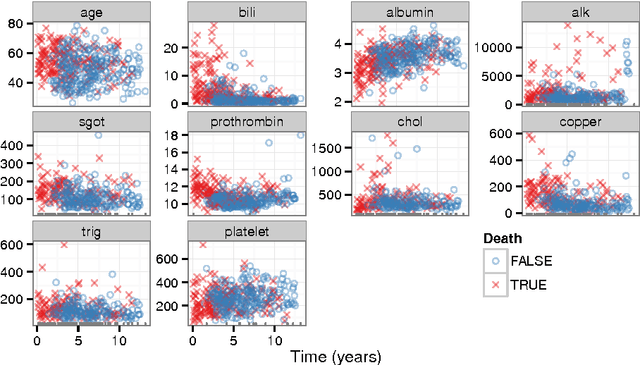
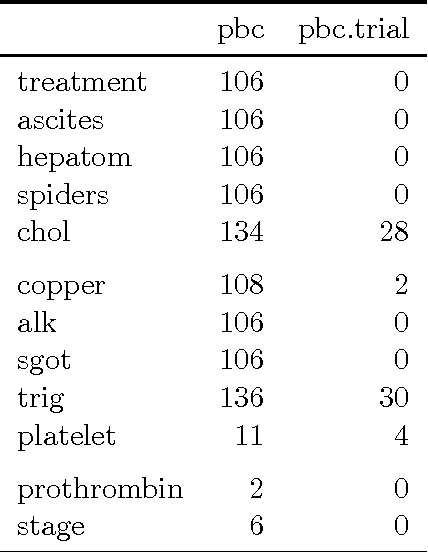
Random forest (Leo Breiman 2001a) (RF) is a non-parametric statistical method requiring no distributional assumptions on covariate relation to the response. RF is a robust, nonlinear technique that optimizes predictive accuracy by fitting an ensemble of trees to stabilize model estimates. Random survival forests (RSF) (Ishwaran and Kogalur 2007; Ishwaran et al. 2008) are an extension of Breimans RF techniques allowing efficient nonparametric analysis of time to event data. The randomForestSRC package (Ishwaran and Kogalur 2014) is a unified treatment of Breimans random forest for survival, regression and classification problems. Predictive accuracy makes RF an attractive alternative to parametric models, though complexity and interpretability of the forest hinder wider application of the method. We introduce the ggRandomForests package, tools for visually understand random forest models grown in R (R Core Team 2014) with the randomForestSRC package. The ggRandomForests package is structured to extract intermediate data objects from randomForestSRC objects and generate figures using the ggplot2 (Wickham 2009) graphics package. This document is structured as a tutorial for building random forest for survival with the randomForestSRC package and using the ggRandomForests package for investigating how the forest is constructed. We analyse the Primary Biliary Cirrhosis of the liver data from a clinical trial at the Mayo Clinic (Fleming and Harrington 1991). Our aim is to demonstrate the strength of using Random Forest methods for both prediction and information retrieval, specifically in time to event data settings.

ggRandomForests: Visually Exploring a Random Forest for Regression
Feb 13, 2015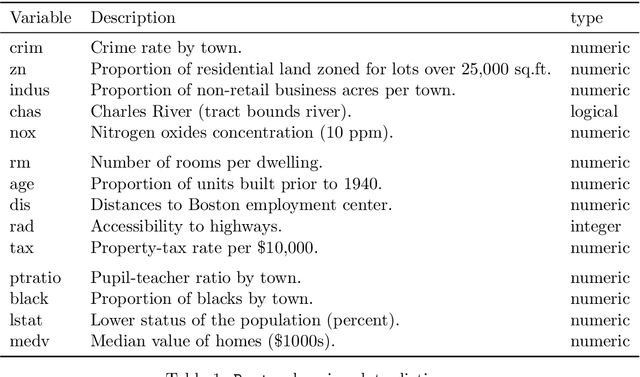
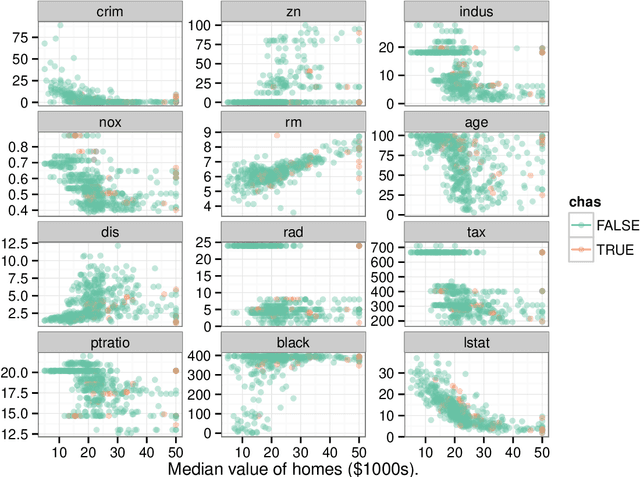
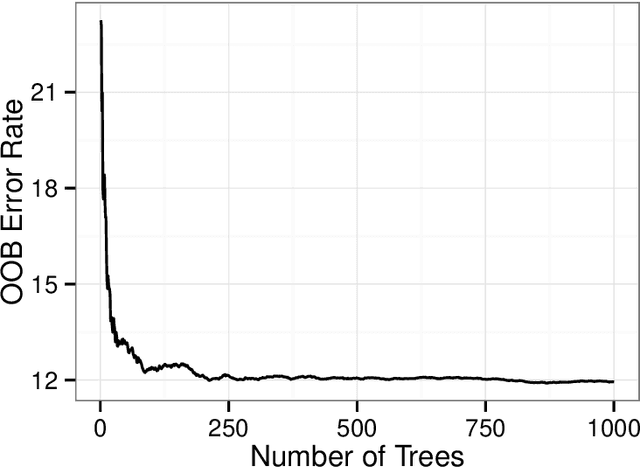
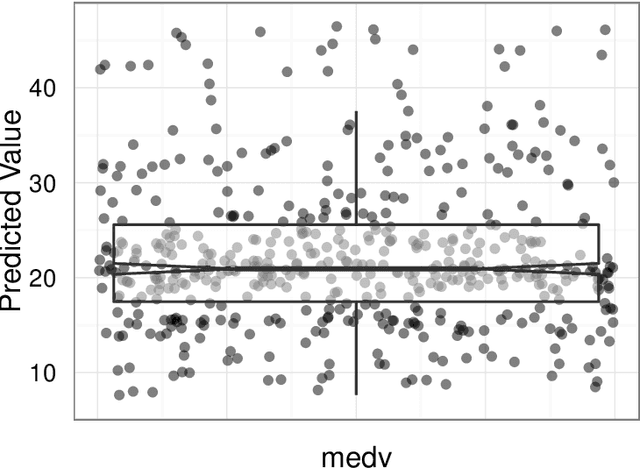
Random Forests [Breiman:2001] (RF) are a fully non-parametric statistical method requiring no distributional assumptions on covariate relation to the response. RF are a robust, nonlinear technique that optimizes predictive accuracy by fitting an ensemble of trees to stabilize model estimates. The randomForestSRC package (http://cran.r-project.org/package=randomForestSRC) is a unified treatment of Breiman's random forests for survival, regression and classification problems. Predictive accuracy make RF an attractive alternative to parametric models, though complexity and interpretability of the forest hinder wider application of the method. We introduce the ggRandomForests package (http://cran.r-project.org/package=ggRandomForests), for visually understand random forest models grown in R with the randomForestSRC package. The vignette is a tutorial for using the ggRandomForests package with the randomForestSRC package for building and post-processing a regression random forest. In this tutorial, we explore a random forest model for the Boston Housing Data, available in the MASS package. We grow a random forest for regression and demonstrate how ggRandomForests can be used when determining variable associations, interactions and how the response depends on predictive variables within the model. The tutorial demonstrates the design and usage of many of ggRandomForests functions and features how to modify and customize the resulting ggplot2 graphic objects along the way. A development version of the ggRandomForests package is available on Github. We invite comments, feature requests and bug reports for this package at (https://github.com/ehrlinger/ggRandomForests).