 Add to Chrome
 Add to Firefox
 Add to Edge
A Data-Driven Multi-Objective Approach for Predicting Mechanical Performance, Flowability, and Porosity in Ultra-High-Performance Concrete (UHPC)
Dec 25, 2025
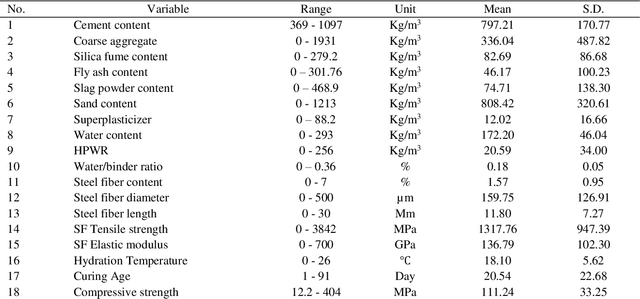
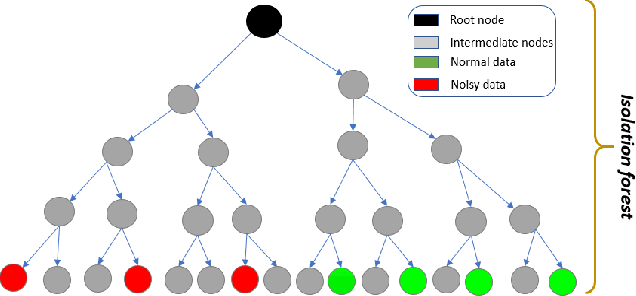
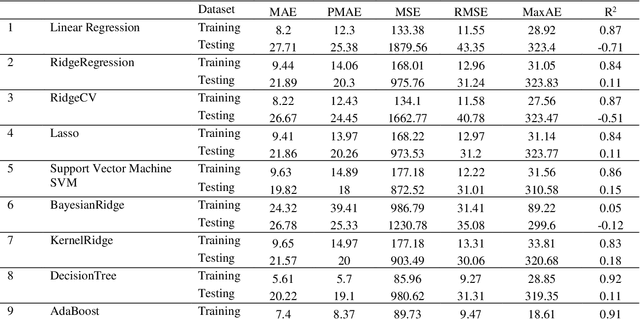
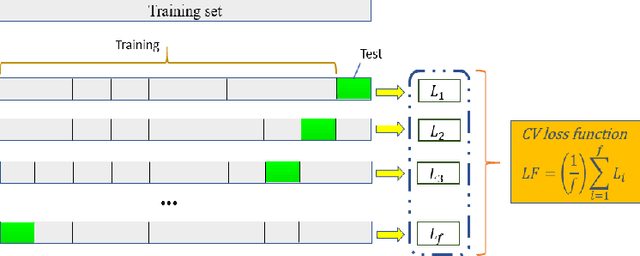
This study presents a data-driven, multi-objective approach to predict the mechanical performance, flow ability, and porosity of Ultra-High-Performance Concrete (UHPC). Out of 21 machine learning algorithms tested, five high-performing models are selected, with XGBoost showing the best accuracy after hyperparameter tuning using Random Search and K-Fold Cross-Validation. The framework follows a two-stage process: the initial XGBoost model is built using raw data, and once selected as the final model, the dataset is cleaned by (1) removing multicollinear features, (2) identifying outliers with Isolation Forest, and (3) selecting important features using SHAP analysis. The refined dataset as model 2 is then used to retrain XGBoost, which achieves high prediction accuracy across all outputs. A graphical user interface (GUI) is also developed to support material designers. Overall, the proposed framework significantly improves the prediction accuracy and minimizes the need for extensive experimental testing in UHPC mix design.

Mechanical Strength Prediction of Steel-Polypropylene Fiber-based High-Performance Concrete Using Hybrid Machine Learning Algorithms
Dec 25, 2025This research develops and evaluates machine learning models to predict the mechanical properties of steel-polypropylene fiber-reinforced high-performance concrete (HPC). Three model families were investigated: Extra Trees with XGBoost (ET-XGB), Random Forest with LightGBM (RF-LGBM), and Transformer with XGBoost (Transformer-XGB). The target properties included compressive strength (CS), flexural strength (FS), and tensile strength (TS), based on an extensive dataset compiled from published experimental studies. Model training involved k-fold cross-validation, hyperparameter optimization, Shapley additive explanations (SHAP), and uncertainty analysis to ensure both robustness and interpretability. Among the tested approaches, the ET-XGB model achieved the highest overall accuracy, with testing R^2 values of 0.994 for CS, 0.944 for FS, and 0.978 for TS and exhibited lowest uncertainty for CS and TS (approximately 13-16% and 30.4%, respectively). The RF-LGBM model provided the most stable and reliable predictions for FS (R^2 0.977), yielding the lowest uncertainty for FS (approximately 5-33%). The Transformer-XGB model demonstrated strong predictive capability (R^2 0.978 for TS and 0.967 for FS) but consistently showed the highest uncertainty, indicating reduced generalization reliability. SHAP analysis further indicated that fiber aspect ratios (AR1 and AR2), silica fume (Sfu), and steel fiber content (SF) were the most influential predictors of strength, whereas water content (W) and the water-binder ratio (w/b) consistently had negative effects. The findings confirm that machine learning models can provide accurate, interpretable, and generalizable predictions of HPC mechanical properties. These models offer valuable tools for optimizing concrete mix design and enhancing structural performance evaluation in engineering applications.