 Add to Chrome
 Add to Firefox
 Add to Edge
Appropriateness of Empathy in AI: A Signal-Cost Perspective
May 29, 2026
The appropriateness of empathy in AI has emerged as a critical concern, as excessive empathy risks seeming manipulative while insufficient empathy appears dismissive. While prior research has explored how to quantify empathy in AI, few studies examine whether such empathy is contextually appropriate. This paper introduces an economic perspective by applying signaling theory to human-AI conversations. We propose Signal Cost Proxies (emotional richness, perspective-taking, and contextual tailoring) mapped to affective, cognitive, and associative empathy. This multidimensional framework enables systematic evaluation of empathy not just by presence, but by its appropriateness relative to user demand.

Deploying Deep Ranking Models for Search Verticals
Jun 06, 2018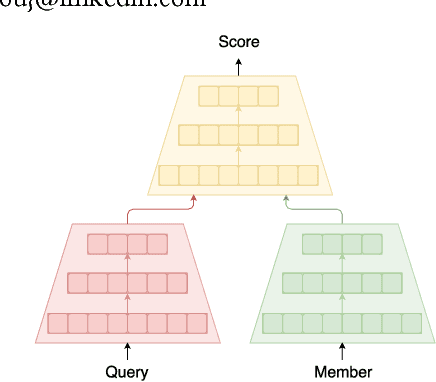
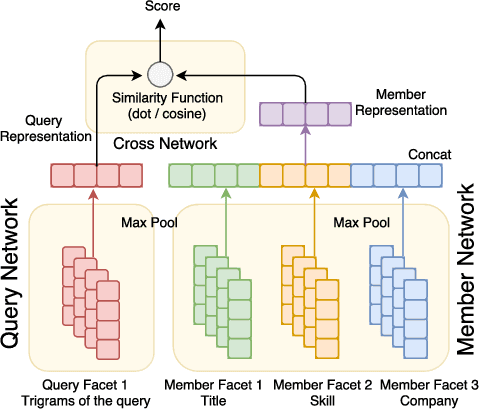
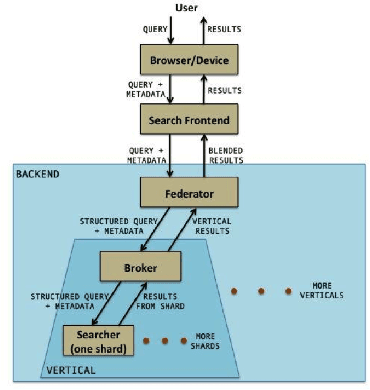
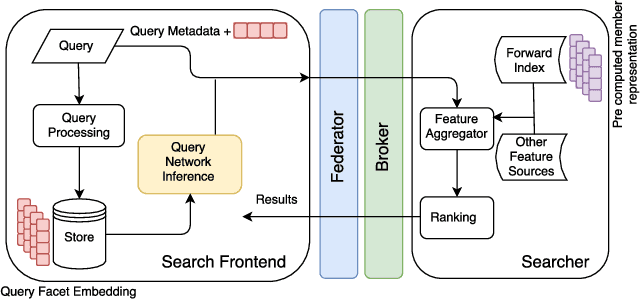
In this paper, we present an architecture executing a complex machine learning model such as a neural network capturing semantic similarity between a query and a document; and deploy to a real-world production system serving 500M+users. We present the challenges that arise in a real-world system and how we solve them. We demonstrate that our architecture provides competitive modeling capability without any significant performance impact to the system in terms of latency. Our modular solution and insights can be used by other real-world search systems to realize and productionize recent gains in neural networks.