 Add to Chrome
 Add to Firefox
 Add to Edge
Before You Think: System 0, AI-Mediated Cognition and Cognitive Colonization
Jun 11, 2026
This paper examines three recent frameworks for understanding the cognitive and epistemic consequences of artificial intelligence: Tri-System Theory, Thinkframes, and System 0. It argues that while the first two capture important dimensions of AI's influence on individual reasoning and collective epistemic practices, System 0 occupies a theoretically distinctive position that neither can fully replicate. The paper introduces the concept of cognitive colonization, according to which AI systems can embed external interests within the architecture of the self in ways that are difficult for users to perceive. Because such systems are already widely deployed, understanding these invisible forms of influence is an urgent philosophical and practical task.

Psychomatics -- A Multidisciplinary Framework for Understanding Artificial Minds
Jul 23, 2024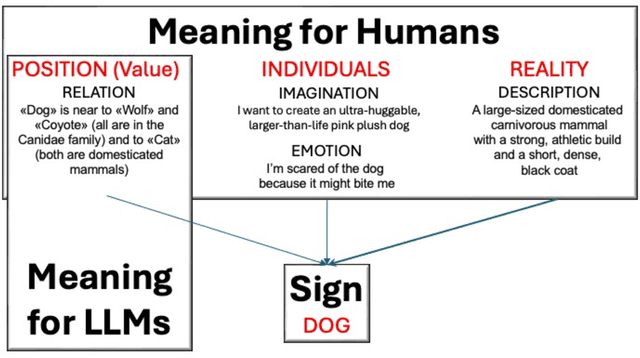
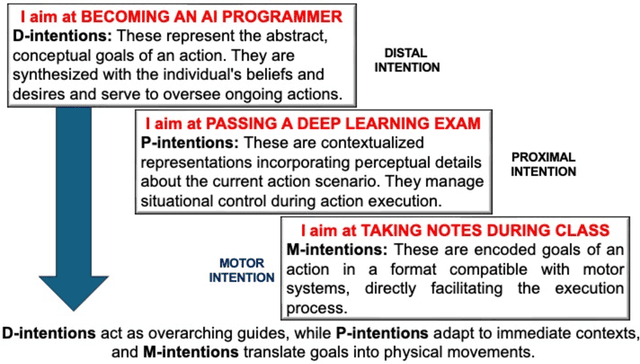
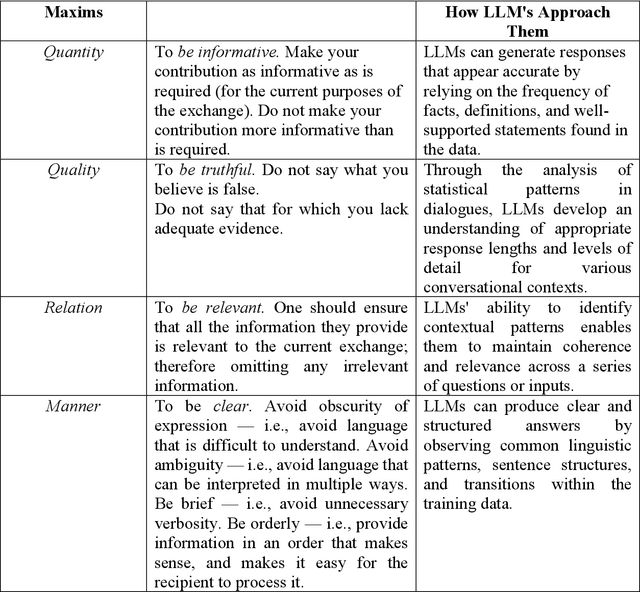
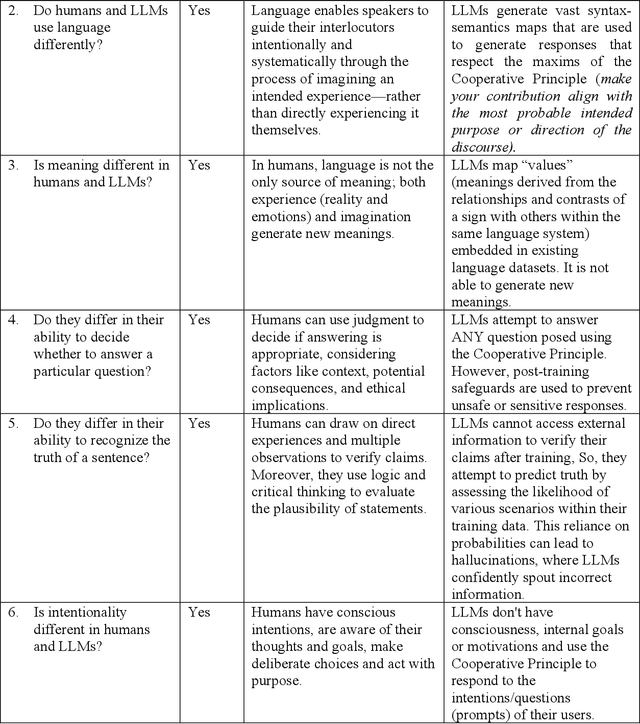
Although LLMs and other artificial intelligence systems demonstrate cognitive skills similar to humans, like concept learning and language acquisition, the way they process information fundamentally differs from biological cognition. To better understand these differences this paper introduces Psychomatics, a multidisciplinary framework bridging cognitive science, linguistics, and computer science. It aims to better understand the high-level functioning of LLMs, focusing specifically on how LLMs acquire, learn, remember, and use information to produce their outputs. To achieve this goal, Psychomatics will rely on a comparative methodology, starting from a theory-driven research question - is the process of language development and use different in humans and LLMs? - drawing parallels between LLMs and biological systems. Our analysis shows how LLMs can map and manipulate complex linguistic patterns in their training data. Moreover, LLMs can follow Grice's Cooperative Principle to provide relevant and informative responses. However, human cognition draws from multiple sources of meaning, including experiential, emotional, and imaginative facets, which transcend mere language processing and are rooted in our social and developmental trajectories. Moreover, current LLMs lack physical embodiment, reducing their ability to make sense of the intricate interplay between perception, action, and cognition that shapes human understanding and expression. Ultimately, Psychomatics holds the potential to yield transformative insights into the nature of language, cognition, and intelligence, both artificial and biological. Moreover, by drawing parallels between LLMs and human cognitive processes, Psychomatics can inform the development of more robust and human-like AI systems.