 Add to Chrome
 Add to Firefox
 Add to Edge
CRC-HGD: A Histopathological Image Dataset for Grading Colorectal Cancer
Jul 14, 2026
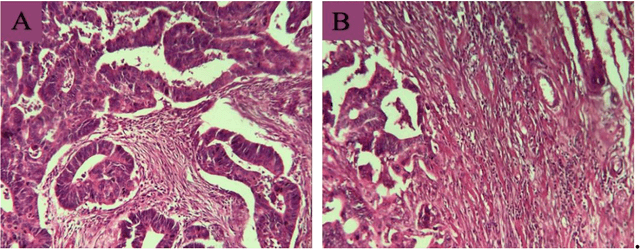
Colorectal cancer (CRC) is the third most common cancer worldwide and the second leading cause of cancer-related deaths globally, with approximately 1,926,425 new cases and 904,019 deaths reported in 2022. Accurate histologic grading plays a critical role in prognosis and treatment planning for colorectal adenocarcinoma. In recent years, artificial intelligence and its subcategories, including machine learning and deep learning, have been increasingly employed for automated cancer detection and classification. An appropriate and well-organized dataset is the essential first step to achieve this goal. This paper introduces CRC-HGD, a histopathological microscopy image dataset of 1,914 images obtained from 214 colorectal adenocarcinoma patients (Grade I: 106, Grade II: 75, Grade III: 33). The specimens are H&E-stained colorectal tissue sections acquired at the Poursina Hakim Research Center of Isfahan University of Medical Sciences, Iran, diagnosed between 2014 and 2019, and graded according to the World Health Organization (WHO) criteria into three grades: well-differentiated (Grade I), moderately differentiated (Grade II), and poorly differentiated (Grade III). For each specimen, four magnification levels are provided: 4x, 10x, 20x, and 40x. The dataset is accessible via Mendeley Data (https://doi.org/10.17632/yfp5sfj47m.4) and at http://databiox.com, where the latest version is also available. The distinctive feature of this dataset is the provision of labeled specimens across all three differentiation grades at multiple magnification levels, enabling comprehensive computational analysis of colorectal cancer grading.

CRC-ICM: Colorectal Cancer Immune Cell Markers Pattern Dataset
Aug 19, 2023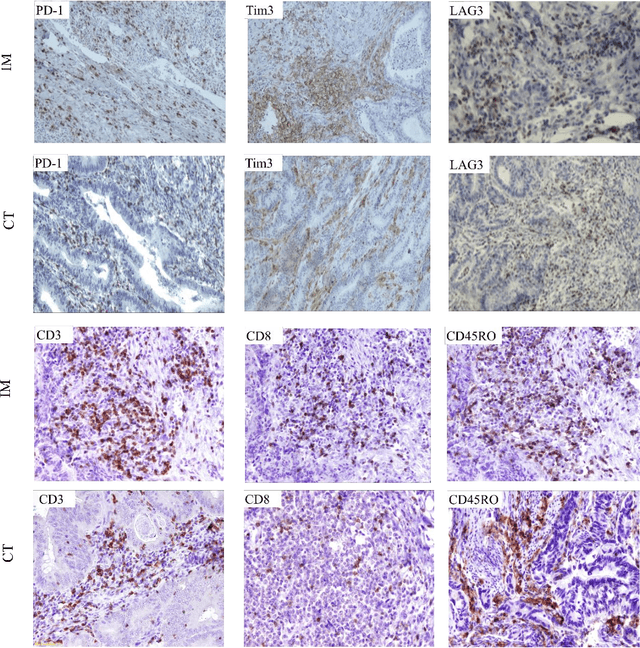
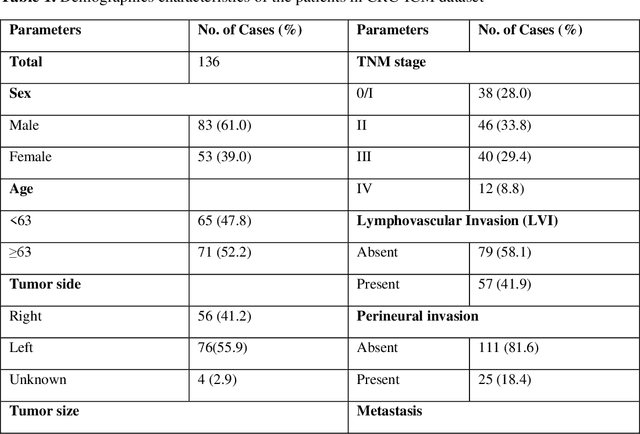

Colorectal Cancer (CRC) is the second most common cause of cancer death in the world, ad can be identified by the location of the primary tumor in the large intestine: right and left colon, and rectum. Based on the location, CRC shows differences in chromosomal and molecular characteristics, microbiomes incidence, pathogenesis, and outcome. It has been shown that tumors on left and right sides also have different immune landscape, so the prognosis may be different based on the primary tumor locations. It is widely accepted that immune components of the tumor microenvironment (TME) plays a critical role in tumor development. One of the critical regulatory molecules in the TME is immune checkpoints that as the gatekeepers of immune responses regulate the infiltrated immune cell functions. Inhibitory immune checkpoints such as PD-1, Tim3, and LAG3, as the main mechanism of immune suppression in TME overexpressed and result in further development of the tumor. The images of this dataset have been taken from colon tissues of patients with CRC, stained with specific antibodies for CD3, CD8, CD45RO, PD-1, LAG3 and Tim3. The name of this dataset is CRC-ICM and contains 1756 images related to 136 patients. The initial version of CRC-ICM is published on Elsevier Mendeley dataset portal, and the latest version is accessible via: https://databiox.com