 Add to Chrome
 Add to Firefox
 Add to Edge
Bridging Deep Learning and Integer Linear Programming: A Predictive-to-Prescriptive Framework for Supply Chain Analytics
Apr 02, 2026
Although demand forecasting is a critical component of supply chain planning, actual retail data can exhibit irreconcilable seasonality, irregular spikes, and noise, rendering precise projections nearly unattainable. This paper proposes a three-step analytical framework that combines forecasting and operational analytics. The first stage consists of exploratory data analysis, where delivery-tracked data from 180,519 transactions are partitioned, and long-term trends, seasonality, and delivery-related attributes are examined. Secondly, the forecasting performance of a statistical time series decomposition model N-BEATS MSTL and a recent deep learning architecture N-HiTS were compared. N-BEATS and N-HiTS were both statistically, and hence were N-BEATS's and N-HiTS's statistically selected. Most recent time series deep learning models, N-HiTS, N-BEATS. N-HiTS and N-BEATS N-HiTS and N-HiTS outperformed the statistical benchmark to a large extent. N-BEATS was selected to be the most optimized model, as the one with the lowest forecasting error, in the 3rd and final stage forecasting values of the next 4 weeks of 1918 units, and provided those as a model with a set of deterministically integer linear program outcomes that are aimed to minimize the total delivery time with a set of bound budget, capacity, and service constraints. The solution allocation provided a feasible and cost-optimal shipping plan. Overall, the study provides a compelling example of the practical impact of precise forecasting and simple, highly interpretable model optimization in logistics.

Investigation of Using Non-Contact Electrodes for Fetal ECG Monitoring
Oct 01, 2025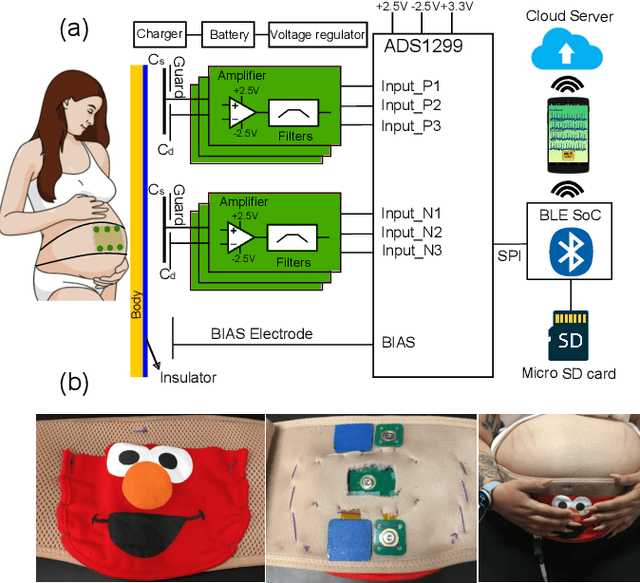
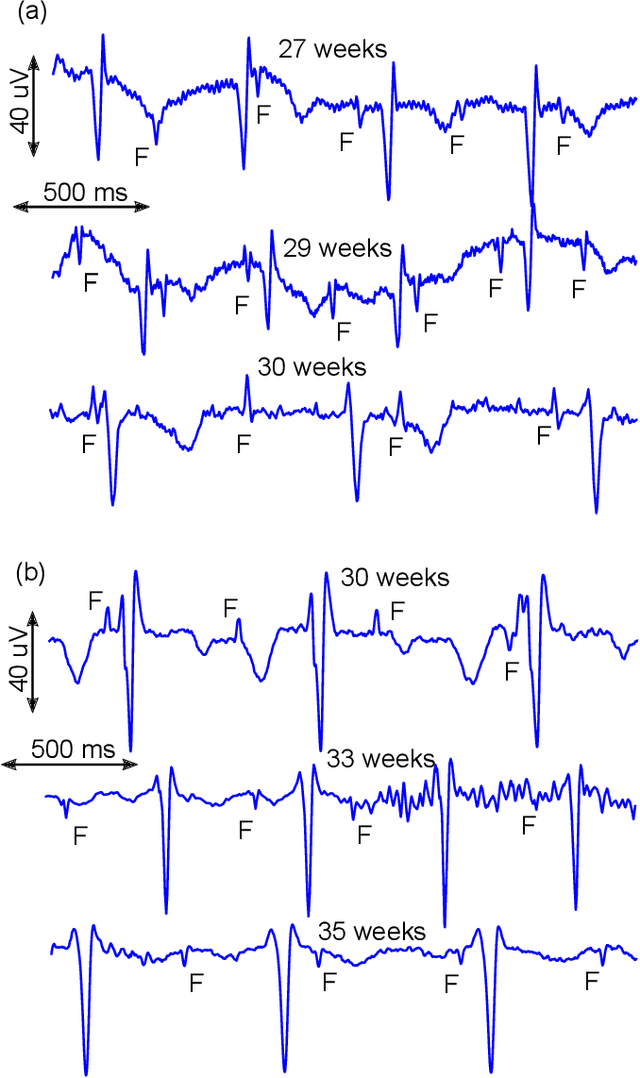
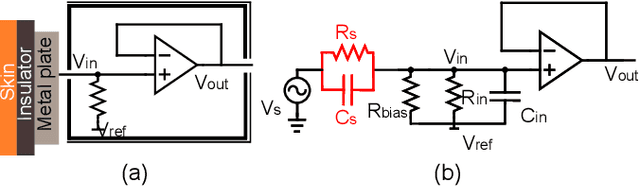
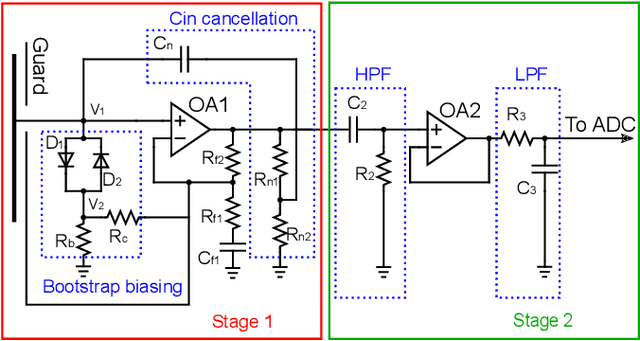
Regular physiological monitoring of maternal and fetal parameters is indispensable for ensuring safe outcomes during pregnancy and parturition. Fetal electrocardiogram (fECG) assessment is crucial to detect fetal distress and developmental anomalies. Given challenges of prenatal care due to the lack of medical professionals and the limit of accessibility, especially in remote and resource-poor areas, we develop a fECG monitoring system using novel non-contact electrodes (NCE) to record the fetal/maternal ECG (f/mECG) signals through clothes, thereby improving the comfort during measurement. The system is designed to be incorporated inside a maternity belt with data acquisition, data transmission module as well as novel NCEs. Thorough characterizations were carried out to evaluate the novel NCE against traditional wet electrodes (i.e., Ag/AgCl electrodes), showing comparable performance. A successful {preliminary pilot feasibility study} conducted with pregnant women (n = 10) between 25 and 32 weeks of gestation demonstrates the system's performance, usability and safety.