 Add to Chrome
 Add to Firefox
 Add to Edge
Alzheimer's Disease Diagnosis using a Multimodal Approach with 3D MRI and PET
Jun 18, 2026
Alzheimer's disease (AD) is an irreversible neurodegenerative disorder and a leading cause of death worldwide. Early diagnosis plays an important part especially at the Mild Cognitive Impairment stage, where timely intervention can help slow its progression before it advances to AD. Neuroimaging data, like Magnetic Resonance Imaging (MRI) and Positron Emission Tomography (PET) scans, can help detect brain changes early by providing structural and functional brain changes related to the disease. Yet, many multimodal models still fuse MRI and PET with static concatenation and apply identical computation to all subjects, which limits robustness to patient/site heterogeneity and can waste computation. To address these limitations, we present the first study of combining 3D convolutional feature extractors with three fusion strategies - concatenation, Gated Multimodal Unit (GMU), and gated self-attention - and a sparsely gated Mixture-of-Experts (MoE) classifier that performs input-adaptive routing, activating only the most informative experts per case. Finally, we utilize Grad-CAM to visualize disease-related regions, ensuring model interpretability. Experiments are performed across three binary classification tasks (NC vs. MCI, MCI vs. AD, and NC vs. AD). Results show that GMU achieves accuracies of 80.46 % (NC vs. MCI) and 95.47 % (NC vs. AD), while gated self-attention attains 82.08 % on MCI vs. AD. Ablations show that removing the MoE consistently degrades accuracy across all tasks. These findings underscore the value of input-adaptive, multimodal modeling for AD diagnosis by leveraging the complementary nature of MRI and PET.

Multi-View Speech Representation Learning for Parkinson's Disease Detection Using Context-guided Cross-modal Attention
Jun 08, 2026Parkinson's disease (PD) is a progressive neurodegenerative disorder that frequently causes speech impairments associated with hypokinetic dysarthria. As speech production relies on the precise coordination of complex neuromuscular mechanisms, speech analysis has emerged as a promising non-invasive and cost-effective biomarker for early PD detection. Recent deep learning approaches have shown encouraging results; however, most existing methods rely on a single speech representation, potentially overlooking complementary pathological information encoded across different feature spaces. In this work, we propose a multi-branch deep learning framework for automatic PD detection from speech. Each recording is segmented into 5-second chunks and represented using three complementary modalities: Log-Mel spectrograms, MFCCs, and HuBERT embeddings extracted from raw waveforms. The spectrograms are processed using a pre-trained ResNet-18 encoder, MFCC sequences are modeled through a BiLSTM network, and raw speech is encoded using a pre-trained HuBERT model. To effectively integrate these heterogeneous representations, we introduce a context-guided cross-modal attention mechanism that dynamically weights temporal HuBERT embeddings according to the global acoustic context derived from the spectrogram and MFCC branches. Experiments conducted on the publicly available Spanish PC-GITA corpus under strict speaker-independent 5-fold cross-validation demonstrate the effectiveness of the proposed approach. The proposed architecture achieves an accuracy of 91.51%, an F1-score of 91.24%, and an AUC of 95.97%. Furthermore, ablation studies confirm the contribution of both the proposed context-guided cross-modal attention mechanism and the integration of complementary speech representations. These findings highlight the potential of heterogeneous speech modeling for robust and clinically reliable PD detection.
A Multimodal Framework for Dementia Detection via Linguistic and Acoustic Representation Learning
May 25, 2026Alzheimer's disease (AD) is a progressive neurodegenerative disorder and the leading cause of dementia, affecting memory, reasoning, communication, and daily functioning. Early diagnosis is particularly important, as timely intervention may help slow cognitive decline and improve patient care. Recent studies have demonstrated that spontaneous speech contains valuable linguistic and acoustic biomarkers associated with dementia. However, existing approaches often rely on independently trained modality-specific models, feature concatenation strategies, ensemble methods, or attention-based fusion mechanisms that do not explicitly maximize the dependency between speech and transcript representations. In this work, we propose a multimodal deep learning framework for automatic dementia detection that jointly exploits speech and transcript information in an end-to-end trainable manner. Specifically, speech recordings are divided into 10-second segments and passed through a pre-trained HuBERT model to extract contextualized acoustic representations. To better capture informative temporal speech characteristics, attentive statistics pooling is employed to aggregate frame-level acoustic embeddings. For the textual modality, transcripts are encoded using a pre-trained BERT model, where the [CLS] token representation is used as the linguistic embedding. The acoustic and textual representations are subsequently combined using an attention-based Audio-Text Fusion (AT-Fusion) mechanism. In addition, we introduce a MINE objective to maximize the mutual information between modalities and improve multimodal representation alignment. The fused multimodal representation is finally used for dementia classification. Experiments conducted on the publicly available ADReSS Challenge and PROCESS-2 dataset demonstrate the effectiveness and robustness of the proposed approach for speech-based dementia assessment.
Data-driven Day Ahead Market Prices Forecasting: A Focus on Short Training Set Windows
Jun 12, 2025This study investigates the performance of machine learning models in forecasting electricity Day-Ahead Market (DAM) prices using short historical training windows, with a focus on detecting seasonal trends and price spikes. We evaluate four models, namely LSTM with Feed Forward Error Correction (FFEC), XGBoost, LightGBM, and CatBoost, across three European energy markets (Greece, Belgium, Ireland) using feature sets derived from ENTSO-E forecast data. Training window lengths range from 7 to 90 days, allowing assessment of model adaptability under constrained data availability. Results indicate that LightGBM consistently achieves the highest forecasting accuracy and robustness, particularly with 45 and 60 day training windows, which balance temporal relevance and learning depth. Furthermore, LightGBM demonstrates superior detection of seasonal effects and peak price events compared to LSTM and other boosting models. These findings suggest that short-window training approaches, combined with boosting methods, can effectively support DAM forecasting in volatile, data-scarce environments.
Explainable AI for building energy retrofitting under data scarcity
Apr 08, 2025Enhancing energy efficiency in residential buildings is a crucial step toward mitigating climate change and reducing greenhouse gas emissions. Retrofitting existing buildings, which account for a significant portion of energy consumption, is critical particularly in regions with outdated and inefficient building stocks. This study presents an Artificial Intelligence (AI) and Machine Learning (ML)-based framework to recommend energy efficiency measures for residential buildings, leveraging accessible building characteristics to achieve energy class targets. Using Latvia as a case study, the methodology addresses challenges associated with limited datasets, class imbalance and data scarcity. The proposed approach integrates Conditional Tabular Generative Adversarial Networks (CTGAN) to generate synthetic data, enriching and balancing the dataset. A Multi-Layer Perceptron (MLP) model serves as the predictive model performing multi-label classification to predict appropriate retrofit strategies. Explainable Artificial Intelligence (XAI), specifically SHapley Additive exPlanations (SHAP), ensures transparency and trust by identifying key features that influence recommendations and guiding feature engineering choices for improved reliability and performance. The evaluation of the approach shows that it notably overcomes data limitations, achieving improvements up to 54% in precision, recall and F1 score. Although this study focuses on Latvia, the methodology is adaptable to other regions, underscoring the potential of AI in reducing the complexity and cost of building energy retrofitting overcoming data limitations. By facilitating decision-making processes and promoting stakeholders engagement, this work supports the global transition toward sustainable energy use in the residential building sector.
Mixture of Experts for Recognizing Depression from Interview and Reading Tasks
Feb 27, 2025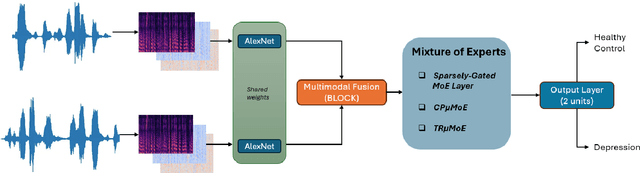
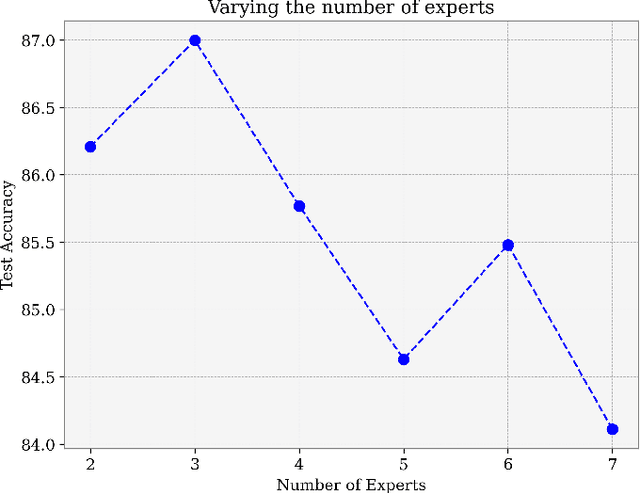
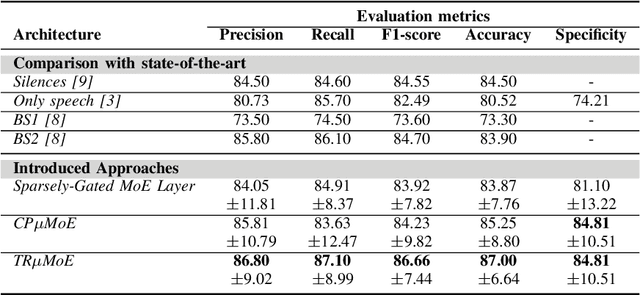
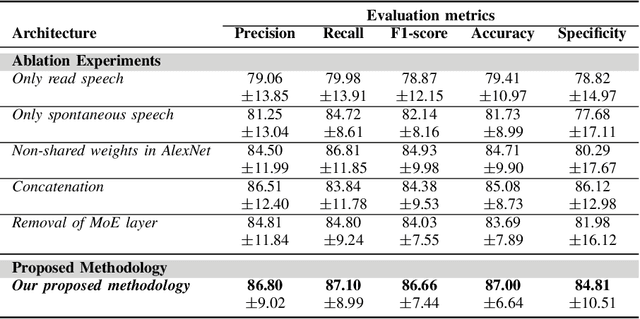
Depression is a mental disorder and can cause a variety of symptoms, including psychological, physical, and social. Speech has been proved an objective marker for the early recognition of depression. For this reason, many studies have been developed aiming to recognize depression through speech. However, existing methods rely on the usage of only the spontaneous speech neglecting information obtained via read speech, use transcripts which are often difficult to obtain (manual) or come with high word-error rates (automatic), and do not focus on input-conditional computation methods. To resolve these limitations, this is the first study in depression recognition task obtaining representations of both spontaneous and read speech, utilizing multimodal fusion methods, and employing Mixture of Experts (MoE) models in a single deep neural network. Specifically, we use audio files corresponding to both interview and reading tasks and convert each audio file into log-Mel spectrogram, delta, and delta-delta. Next, the image representations of the two tasks pass through shared AlexNet models. The outputs of the AlexNet models are given as input to a multimodal fusion method. The resulting vector is passed through a MoE module. In this study, we employ three variants of MoE, namely sparsely-gated MoE and multilinear MoE based on factorization. Findings suggest that our proposed approach yields an Accuracy and F1-score of 87.00% and 86.66% respectively on the Androids corpus.
AI4EF: Artificial Intelligence for Energy Efficiency in the Building Sector
Dec 05, 2024AI4EF, Artificial Intelligence for Energy Efficiency, is an advanced, user-centric tool designed to support decision-making in building energy retrofitting and efficiency optimization. Leveraging machine learning (ML) and data-driven insights, AI4EF enables stakeholders such as public sector representatives, energy consultants, and building owners to model, analyze, and predict energy consumption, retrofit costs, and environmental impacts of building upgrades. Featuring a modular framework, AI4EF includes customizable building retrofitting, photovoltaic installation assessment, and predictive modeling tools that allow users to input building parameters and receive tailored recommendations for achieving energy savings and carbon reduction goals. Additionally, the platform incorporates a Training Playground for data scientists to refine ML models used by said framework. Finally, AI4EF provides access to the Enershare Data Space to facilitate seamless data sharing and access within the ecosystem. Its compatibility with open-source identity management, Keycloak, enhances security and accessibility, making it adaptable for various regulatory and organizational contexts. This paper presents an architectural overview of AI4EF, its application in energy efficiency scenarios, and its potential for advancing sustainable energy practices through artificial intelligence (AI).
Convolutional Neural Networks and Mixture of Experts for Intrusion Detection in 5G Networks and beyond
Dec 04, 2024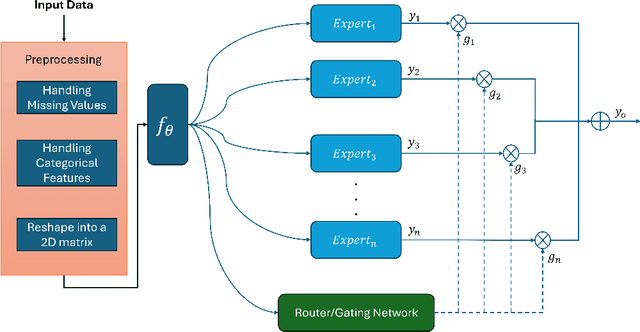
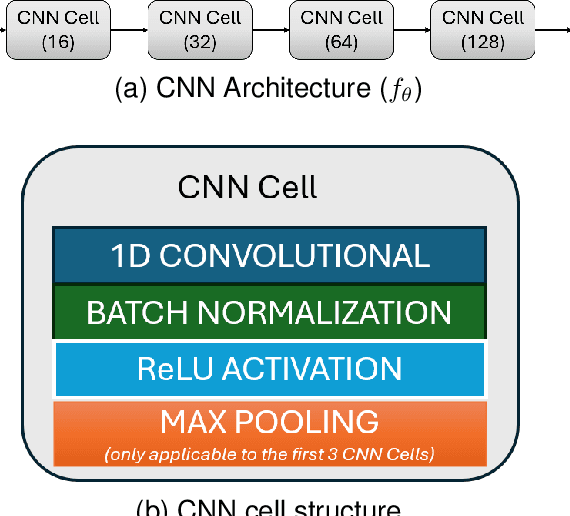
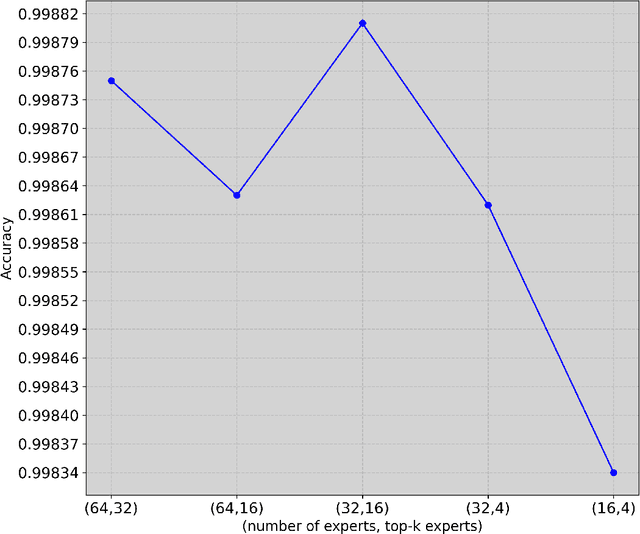
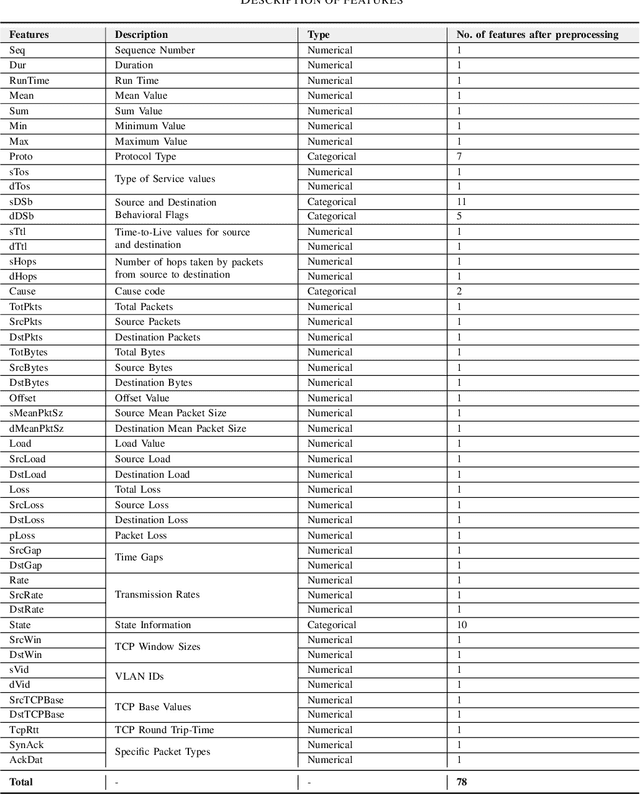
The advent of 6G/NextG networks comes along with a series of benefits, including extreme capacity, reliability, and efficiency. However, these networks may become vulnerable to new security threats. Therefore, 6G/NextG networks must be equipped with advanced Artificial Intelligence algorithms, in order to evade these attacks. Existing studies on the intrusion detection task rely on the train of shallow machine learning classifiers, including Logistic Regression, Decision Trees, and so on, yielding suboptimal performance. Others are based on deep neural networks consisting of static components, which are not conditional on the input. This limits their representation power and efficiency. To resolve these issues, we present the first study integrating Mixture of Experts (MoE) for identifying malicious traffic. Specifically, we use network traffic data and convert the 1D array of features into a 2D matrix. Next, we pass this matrix through convolutional neural network (CNN) layers followed by batch normalization and max pooling layers. After obtaining the representation vector via the CNN layers, a sparsely gated MoE layer is used. This layer consists of a set of experts (dense layers) and a router, where the router assigns weights to the output of each expert. Sparsity is achieved by choosing the most relevant experts of the total ones. Finally, we perform a series of ablation experiments to prove the effectiveness of our proposed model. Experiments are conducted on the 5G-NIDD dataset, a network intrusion detection dataset generated from a real 5G test network. Results show that our introduced approach reaches weighted F1-score up to 99.95% achieving comparable performance to existing approaches. Findings also show that our proposed model achieves multiple advantages over state-of-the-art approaches.
A Graph Neural Architecture Search Approach for Identifying Bots in Social Media
Nov 25, 2024

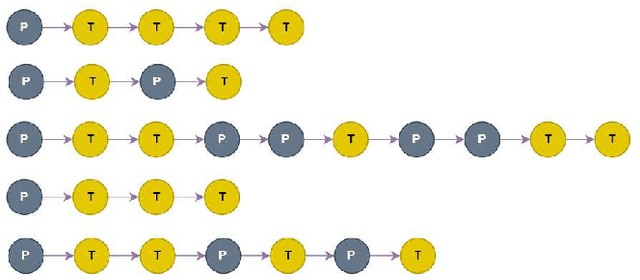

Social media platforms, including X, Facebook, and Instagram, host millions of daily users, giving rise to bots-automated programs disseminating misinformation and ideologies with tangible real-world consequences. While bot detection in platform X has been the area of many deep learning models with adequate results, most approaches neglect the graph structure of social media relationships and often rely on hand-engineered architectures. Our work introduces the implementation of a Neural Architecture Search (NAS) technique, namely Deep and Flexible Graph Neural Architecture Search (DFG-NAS), tailored to Relational Graph Convolutional Neural Networks (RGCNs) in the task of bot detection in platform X. Our model constructs a graph that incorporates both the user relationships and their metadata. Then, DFG-NAS is adapted to automatically search for the optimal configuration of Propagation and Transformation functions in the RGCNs. Our experiments are conducted on the TwiBot-20 dataset, constructing a graph with 229,580 nodes and 227,979 edges. We study the five architectures with the highest performance during the search and achieve an accuracy of 85.7%, surpassing state-of-the-art models. Our approach not only addresses the bot detection challenge but also advocates for the broader implementation of NAS models in neural network design automation.
A multi-dimensional unsupervised machine learning framework for clustering residential heat load profiles
Nov 11, 2024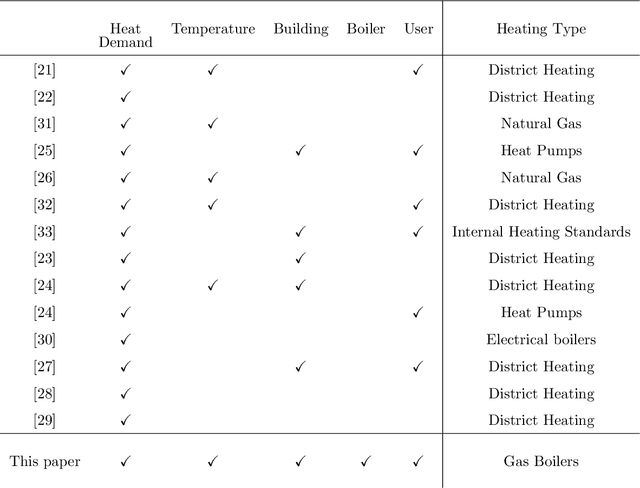
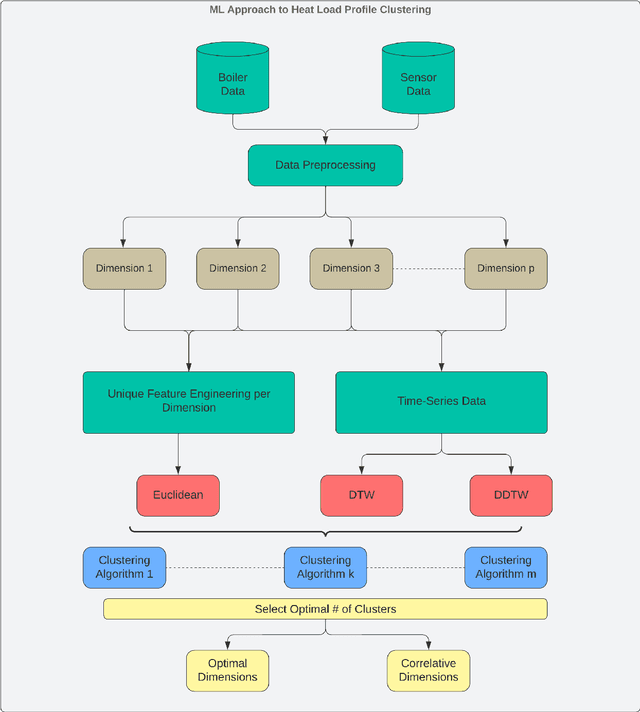
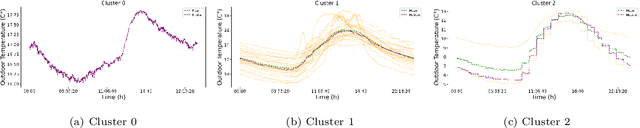
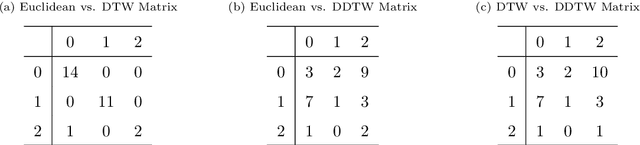
Central to achieving the energy transition, heating systems provide essential space heating and hot water in residential and industrial environments. A major challenge lies in effectively profiling large clusters of buildings to improve demand estimation and enable efficient Demand Response (DR) schemes. This paper addresses this challenge by introducing an unsupervised machine learning framework for clustering residential heating load profiles, focusing on natural gas space heating and hot water preparation boilers. The profiles are analyzed across five dimensions: boiler usage, heating demand, weather conditions, building characteristics, and user behavior. We apply three distance metrics: Euclidean Distance (ED), Dynamic Time Warping (DTW), and Derivative Dynamic Time Warping (DDTW), and evaluate their performance using established clustering indices. The proposed method is assessed considering 29 residential buildings in Greece equipped with smart meters throughout a calendar heating season (i.e., 210 days). Results indicate that DTW is the most suitable metric, uncovering strong correlations between boiler usage, heat demand, and temperature, while ED highlights broader interrelations across dimensions and DDTW proves less effective, resulting in weaker clusters. These findings offer key insights into heating load behavior, establishing a solid foundation for developing more targeted and effective DR programs.