 Add to Chrome
 Add to Firefox
 Add to Edge
Moving Pictures of Thought: Extracting Visual Knowledge in Charles S. Peirce's Manuscripts with Vision-Language Models
Nov 17, 2025
Diagrams are crucial yet underexplored tools in many disciplines, demonstrating the close connection between visual representation and scholarly reasoning. However, their iconic form poses obstacles to visual studies, intermedial analysis, and text-based digital workflows. In particular, Charles S. Peirce consistently advocated the use of diagrams as essential for reasoning and explanation. His manuscripts, often combining textual content with complex visual artifacts, provide a challenging case for studying documents involving heterogeneous materials. In this preliminary study, we investigate whether Visual Language Models (VLMs) can effectively help us identify and interpret such hybrid pages in context. First, we propose a workflow that (i) segments manuscript page layouts, (ii) reconnects each segment to IIIF-compliant annotations, and (iii) submits fragments containing diagrams to a VLM. In addition, by adopting Peirce's semiotic framework, we designed prompts to extract key knowledge about diagrams and produce concise captions. Finally, we integrated these captions into knowledge graphs, enabling structured representations of diagrammatic content within composite sources.

Surprise machines: revealing Harvard Art Museums' image collection
Aug 18, 2023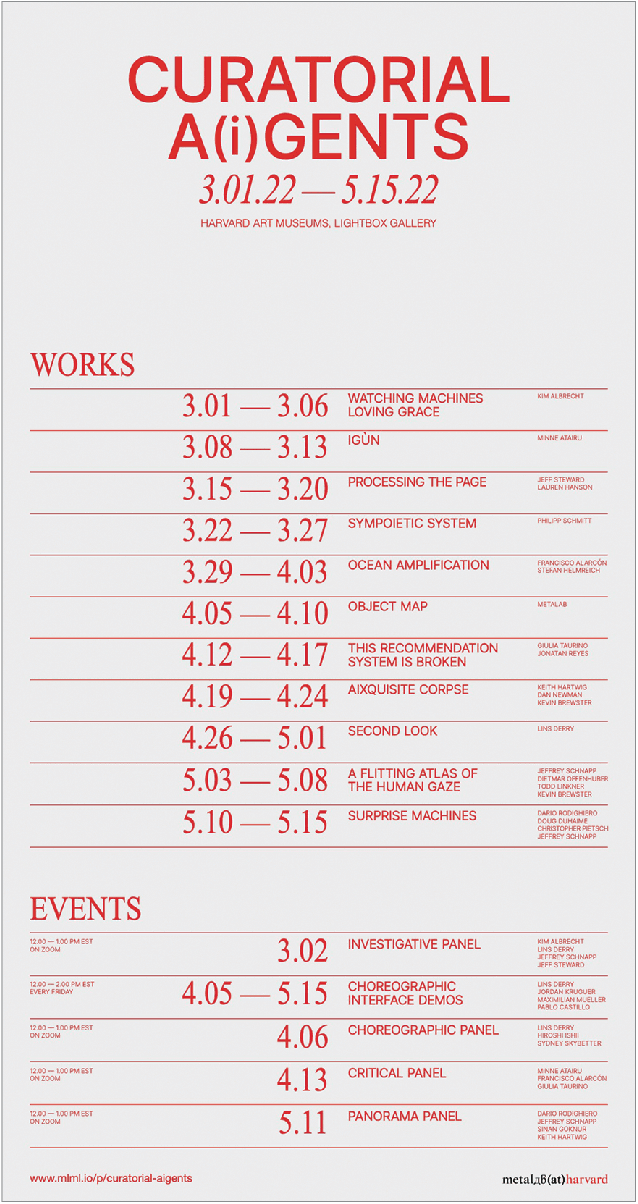
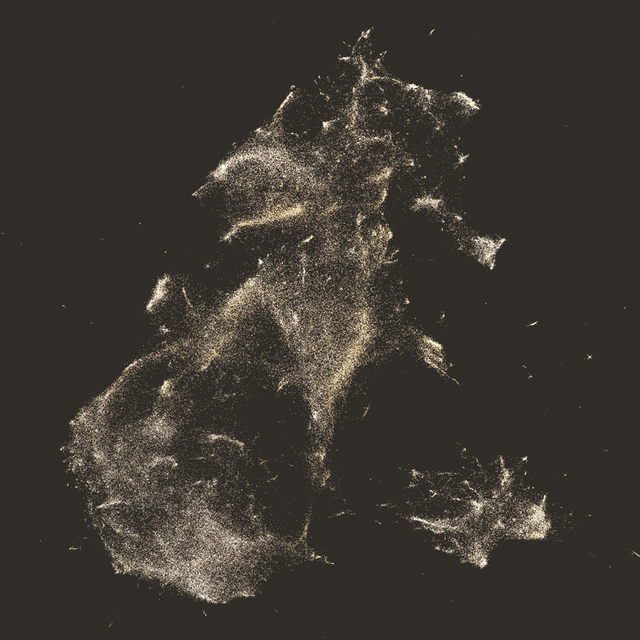
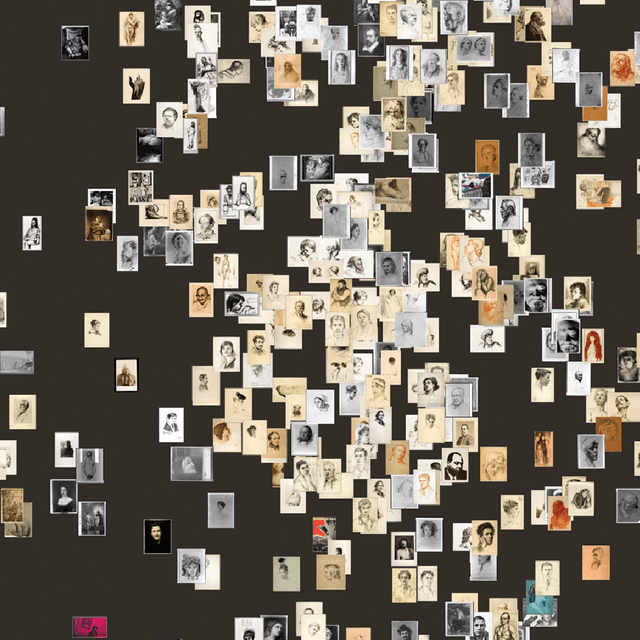
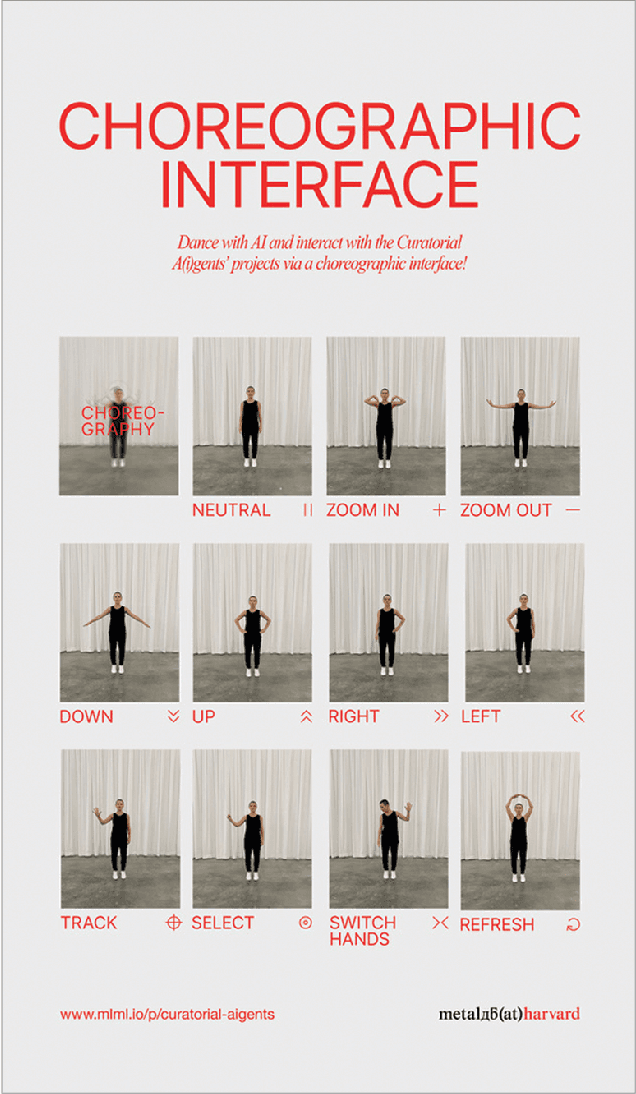
Surprise Machines is a project of experimental museology that sets out to visualize the entire image collection of the Harvard Art Museums, intending to open up unexpected vistas on more than 200,000 objects usually inaccessible to visitors. Part of the exhibition Curatorial A(i)gents organized by metaLAB (at) Harvard, the project explores the limits of artificial intelligence to display a large set of images and create surprise among visitors. To achieve such a feeling of surprise, a choreographic interface was designed to connect the audience's movement with several unique views of the collection.
* 14 pages and 7 figures