 Add to Chrome
 Add to Firefox
 Add to Edge
ESsEN: Training Compact Discriminative Vision-Language Transformers in a Low-Resource Setting
Apr 20, 2026
Vision-language modeling is rapidly increasing in popularity with an ever expanding list of available models. In most cases, these vision-language models have parameters in the tens of billions, which is necessary for some needs, but in many cases smaller models are necessary (e.g., on edge devices or independent robotic platforms). Unfortunately, there is little research in producing light-weight models or in training them with small datasets. Inspired by the language learning progression and data sparsity in child development, in this paper, we address both of these goals in a systematic fashion. We show that two-tower encoder models are superior to one-tower encoders in low-resource settings for discriminative English tasks. We show also that incorporating traditional convolutional networks into the two-tower transformer architecture can help produce parameter efficient vision-language models. Finally, we show that the cross-modal fusion module of two-tower encoders can vary significantly in shape and size while producing the same results. In addition, we present ESsEN, a compact vision-language model that can be trained end-to-end with relatively few resources that performs as well on several tasks with only a fraction of the parameters compared to other models. The experimental results and the tools we present here make vision-language modeling more accessible to a wider variety of researchers.

Renaissance: Investigating the Pretraining of Vision-Language Encoders
Nov 11, 2024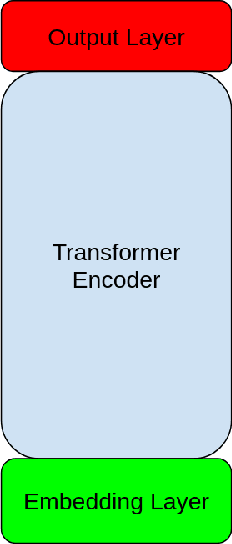
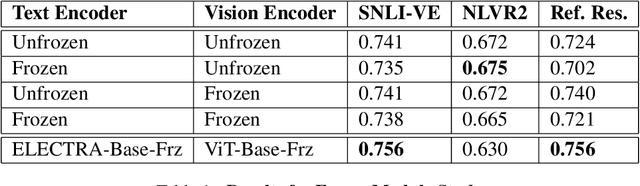
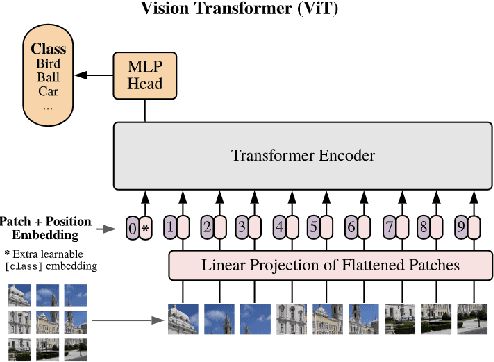
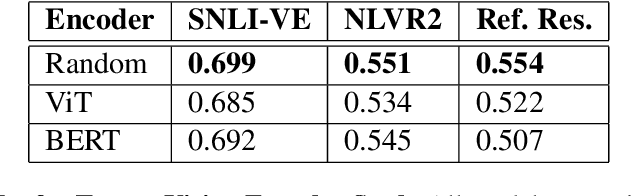
In the past several years there has been an explosion of available models for vision-language tasks. Unfortunately, the literature still leaves open a number of questions related to best practices in designing and training such models. In this paper we seek to answer several questions related to the pretraining of vision-language encoders through meta-analysis. In our first set of experiments, we show that we can save significant compute at no cost to downstream performance, by freezing large parts of vision-language models during pretraining. In our second set of experiments we examine the effect of basing a VL transformer on a vision model versus a text model. Additionally, we introduce a VL modeling platform called Renaissance that we use to conduct all of the experiments. This program offers a great deal of flexibility in creating, training and evaluating transformer encoders for VL modeling. The source code for Renaissance can be found at https://github.com/bsu-slim/renaissance.
Vision Language Transformers: A Survey
Jul 06, 2023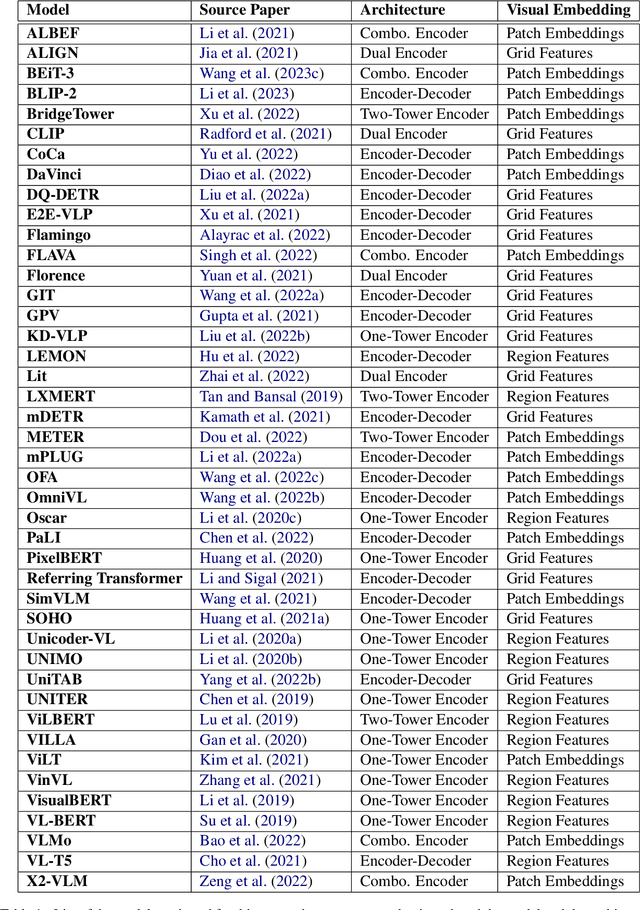
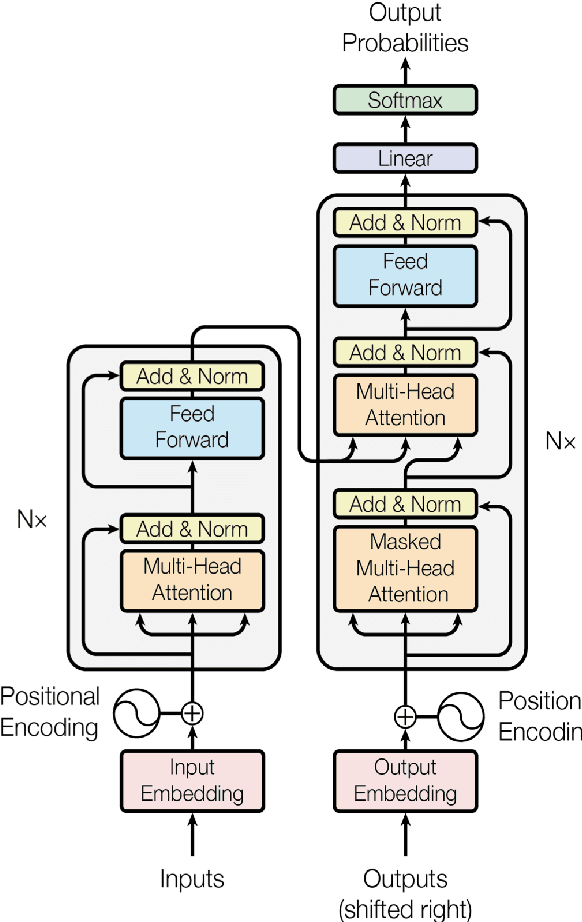
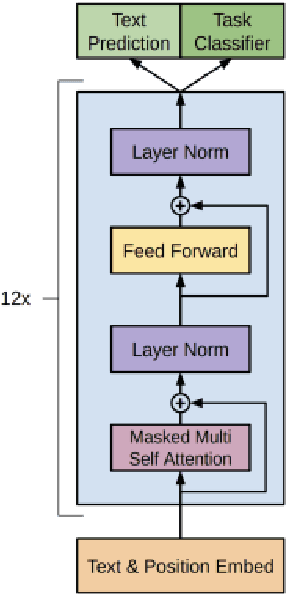
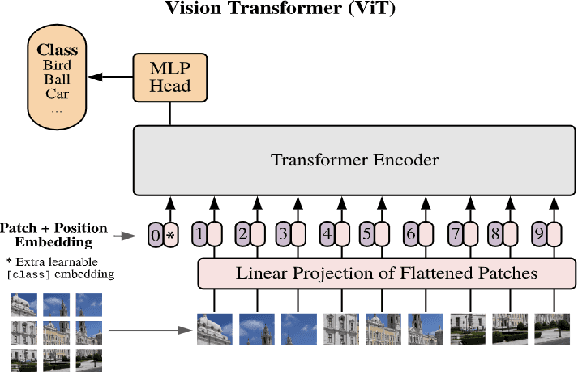
Vision language tasks, such as answering questions about or generating captions that describe an image, are difficult tasks for computers to perform. A relatively recent body of research has adapted the pretrained transformer architecture introduced in \citet{vaswani2017attention} to vision language modeling. Transformer models have greatly improved performance and versatility over previous vision language models. They do so by pretraining models on a large generic datasets and transferring their learning to new tasks with minor changes in architecture and parameter values. This type of transfer learning has become the standard modeling practice in both natural language processing and computer vision. Vision language transformers offer the promise of producing similar advancements in tasks which require both vision and language. In this paper, we provide a broad synthesis of the currently available research on vision language transformer models and offer some analysis of their strengths, limitations and some open questions that remain.