 Add to Chrome
 Add to Firefox
 Add to Edge
Central Pattern Generators for the control of robotic systems
Sep 08, 2015
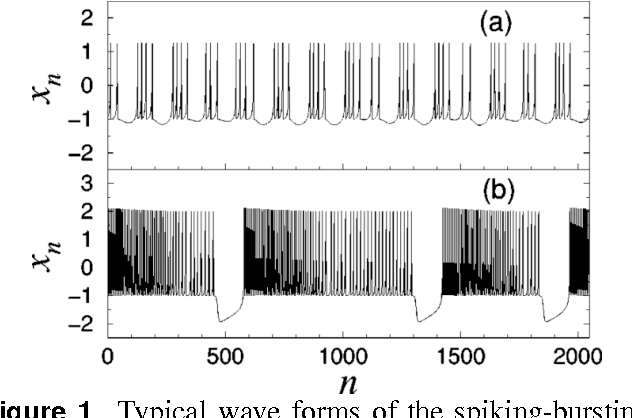
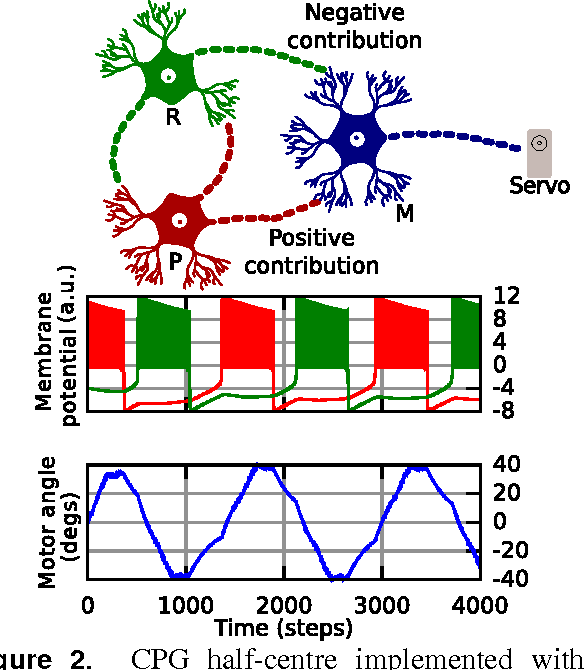
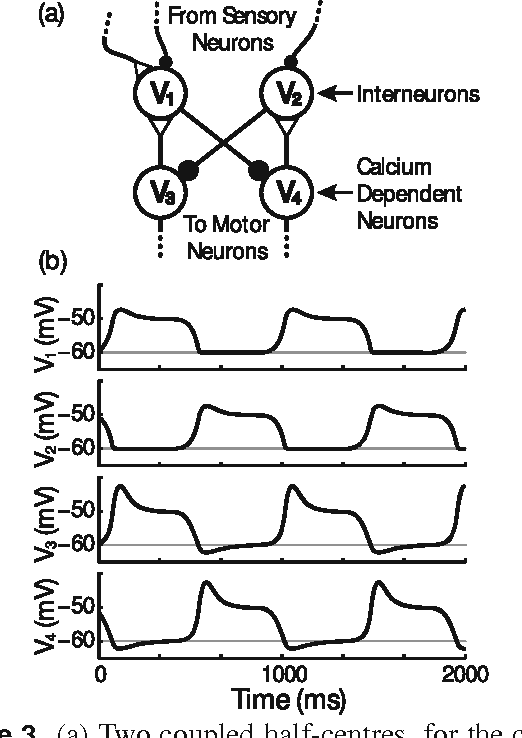
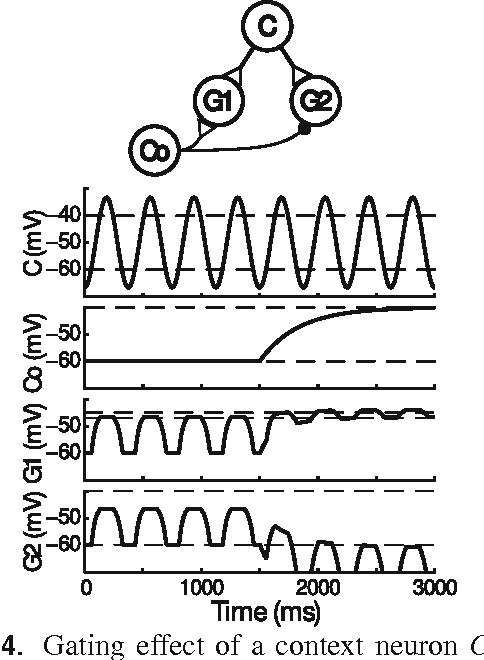
Bio-inspired control of motion is an active field of research with many applications in real world tasks. In the case of robotic systems that need to exhibit oscillatory behaviour (i.e. locomotion of snake-type or legged robots), Central Pattern Generators (CPGs) are among the most versatile solutions. These controllers are often based on loosely-coupled oscillators similar to those found in the neural circuits of many animal species, and can be more robust to uncertainty (i.e. external perturbations) than traditional control approaches. This project provides an overview of the state-of-the-art in the field of CPGs, and in particular their applications within robotic systems. The project also tackles the implementation of a CPG-based controller in a small 3D-printed hexapod.

Self-calibration of a differential wheeled robot using only a gyroscope and a distance sensor
Sep 07, 2015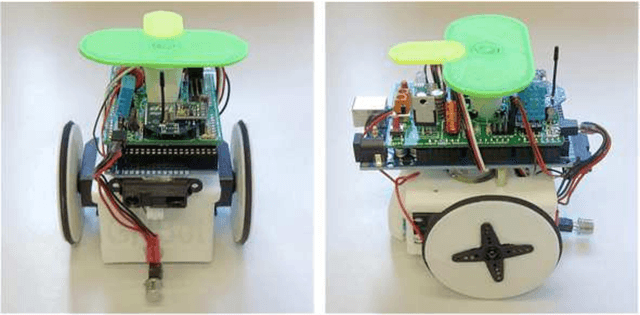
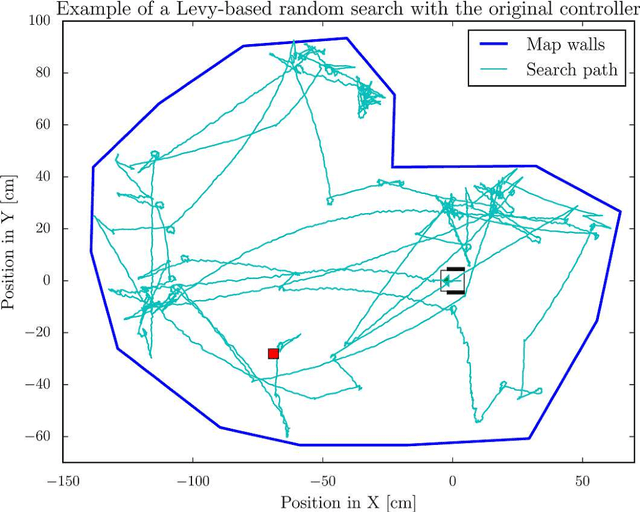
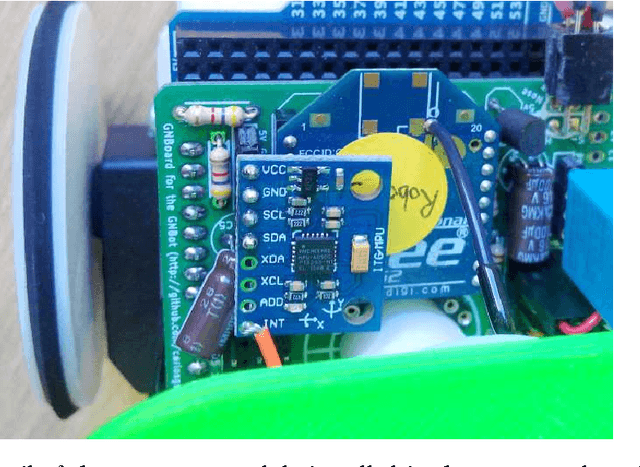
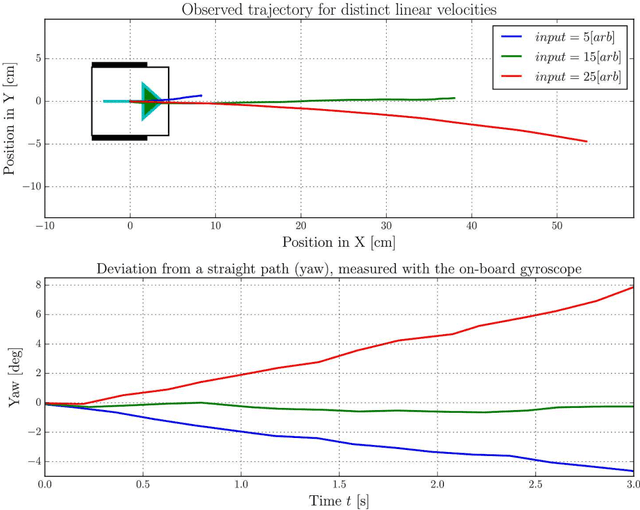
Research in mobile robotics often demands platforms that have an adequate balance between cost and reliability. In the case of terrestrial robots, one of the available options is the GNBot, an open-hardware project intended for the evaluation of swarm search strategies. The lack of basic odometry sensors such as wheel encoders had so far difficulted the implementation of an accurate high-level controller in this platform. Thus, the aim of this thesis is to improve motion control in the GNBot by incorporating a gyroscope whilst maintaining the requisite of no wheel encoders. Among the problems that have been tackled are: accurate in-place rotations, minimal drift during linear motions, and arc-performing functionality. Additionally, the resulting controller is calibrated autonomously by using both the gyroscope module and the infrared rangefinder on board each robot, greatly simplifying the calibration of large swarms. The report first explains the design decisions that were made in order to implement the self-calibration routine, and then evaluates the performance of the new motion controller by means of off-line video tracking. The motion accuracy of the new controller is also compared with the previously existing solution in an odor search experiment.