 Add to Chrome
 Add to Firefox
 Add to Edge
A joint autoencoder for prediction and its application in GPS trajectory data
Apr 13, 2019
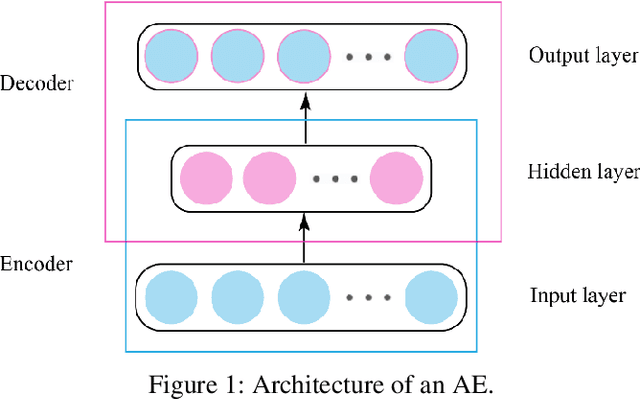
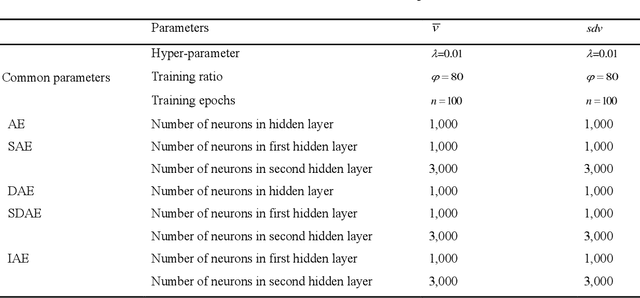
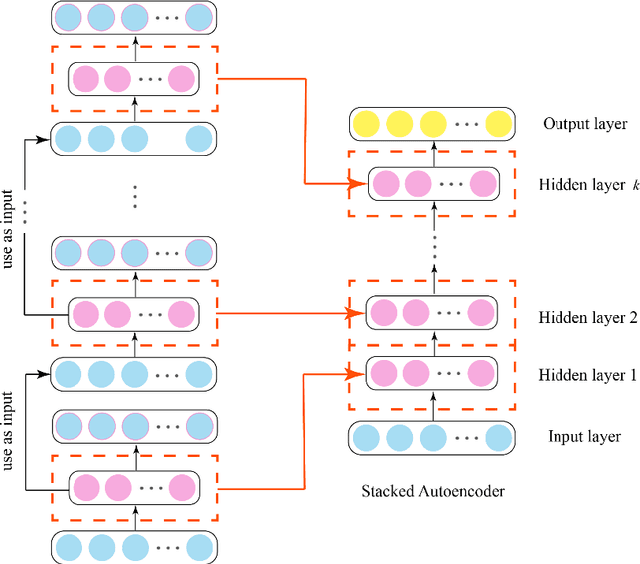
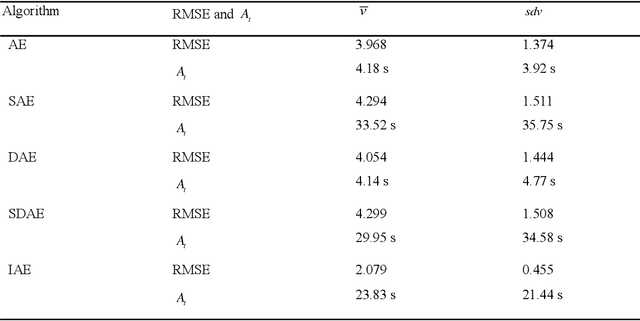
In scientific fields, data sparsity greatly affects prediction performance. This study builds a deep learning-based scheme called a joint autoencoder (JAE), which utilizes auxiliary information to mitigate data sparsity. The proposed scheme achieves an appropriate balance between prediction accuracy, convergence speed, and complexity. Experiments are implemented on a GPS trajectory dataset, and the results demonstrate that the JAE is more accurate and robust than some state-of-the-art methods.

SPMF: A Social Trust and Preference Segmentation-based Matrix Factorization Recommendation Algorithm
Mar 11, 2019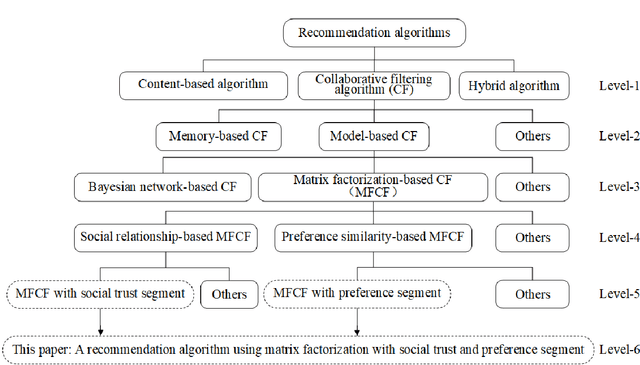
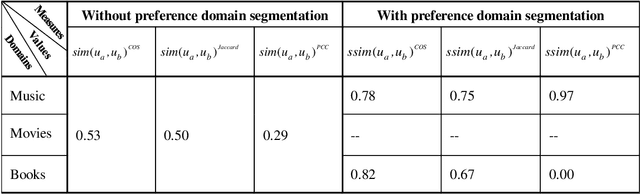
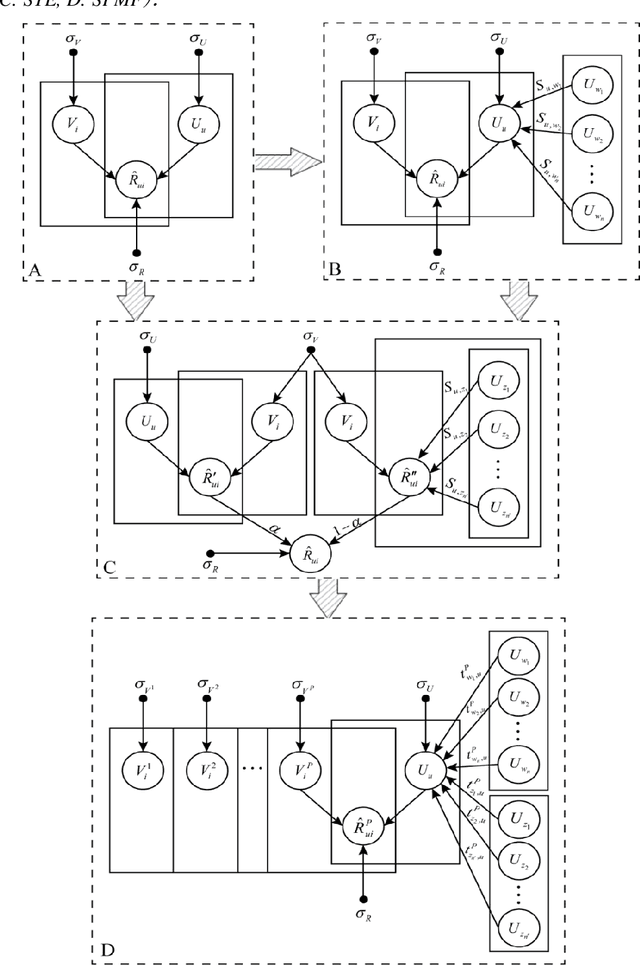
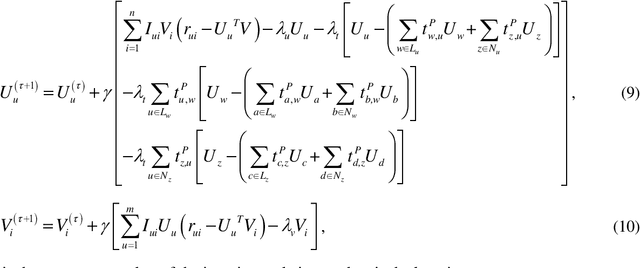
The traditional social recommendation algorithm ignores the following fact: the preferences of users with trust relationships are not necessarily similar, and the consideration of user preference similarity should be limited to specific areas. A social trust and preference segmentation-based matrix factorization (SPMF) recommendation system is proposed to solve the above-mentioned problems. Experimental results based on the Ciao and Epinions datasets show that the accuracy of the SPMF algorithm is significantly higher than that of some state-of-the-art recommendation algorithms. The proposed SPMF algorithm is a more accurate and effective recommendation algorithm based on distinguishing the difference of trust relations and preference domain, which can support commercial activities such as product marketing.