 Add to Chrome
 Add to Firefox
 Add to Edge
A Survey of Applications of Artificial Intelligence for Myocardial Infarction Disease Diagnosis
Jul 05, 2021
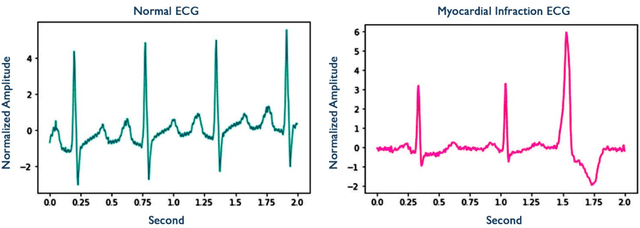
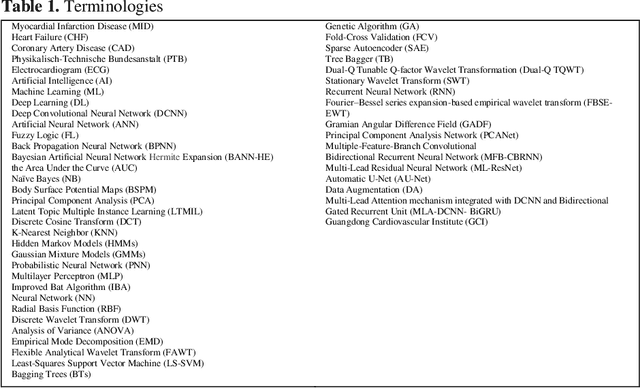
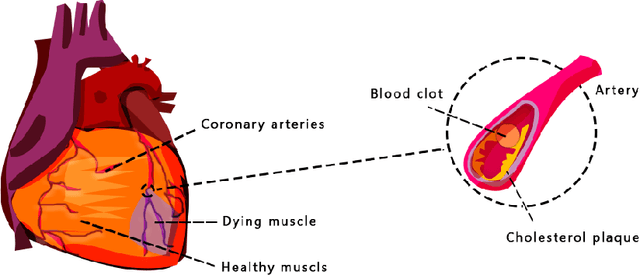
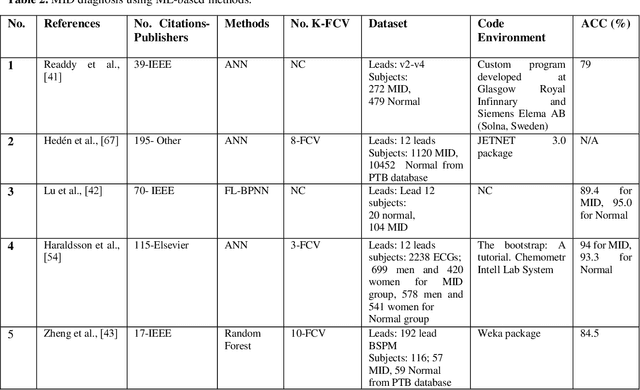
Myocardial infarction disease (MID) is caused to the rapid progress of undiagnosed coronary artery disease (CAD) that indicates the injury of a heart cell by decreasing the blood flow to the cardiac muscles. MID is the leading cause of death in middle-aged and elderly subjects all over the world. In general, raw Electrocardiogram (ECG) signals are tested for MID identification by clinicians that is exhausting, time-consuming, and expensive. Artificial intelligence-based methods are proposed to handle the problems to diagnose MID on the ECG signals automatically. Hence, in this survey paper, artificial intelligence-based methods, including machine learning and deep learning, are review for MID diagnosis on the ECG signals. Using the methods demonstrate that the feature extraction and selection of ECG signals required to be handcrafted in the ML methods. In contrast, these tasks are explored automatically in the DL methods. Based on our best knowledge, Deep Convolutional Neural Network (DCNN) methods are highly required methods developed for the early diagnosis of MID on the ECG signals. Most researchers have tended to use DCNN methods, and no studies have surveyed using artificial intelligence methods for MID diagnosis on the ECG signals.

Time Series Forecasting of New Cases and New Deaths Rate for COVID-19 using Deep Learning Methods
Apr 28, 2021
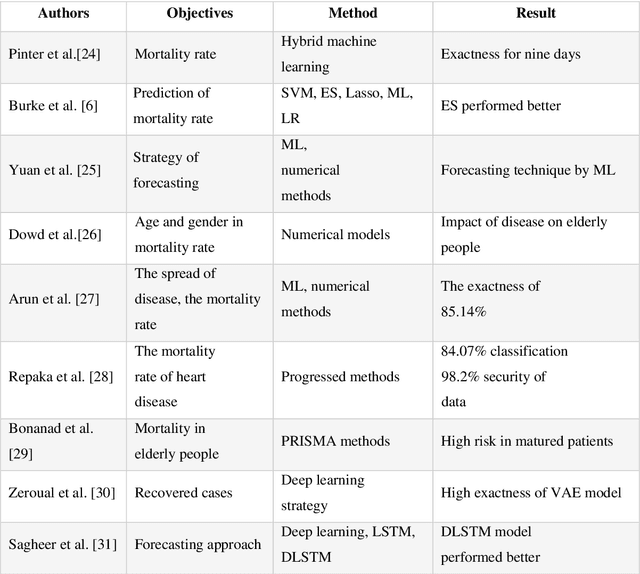
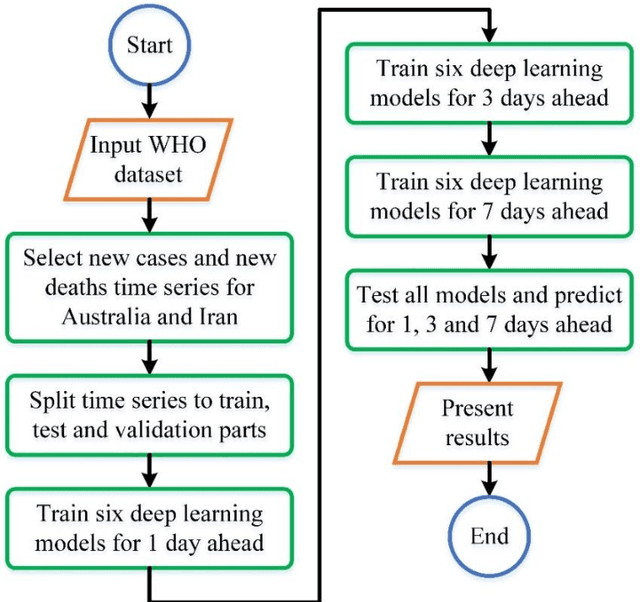

Covid-19 has been started in the year 2019 and imposed restrictions in many countries and costs organisations and governments. Predicting the number of new cases and deaths during this period can be a useful step in predicting the costs and facilities required in the future. The purpose of this study is to predict new cases and death rate for seven days ahead. Deep learning methods and statistical analysis model these predictions for 100 days. Six different deep learning methods are examined for the data adopted from the WHO website. Three methods are known as LSTM, Convolutional LSTM, and GRU. The bi-directional mode is then considered for each method to forecast the rate of new cases and new deaths for Australia and Iran countries. This study is novel as it attempts to implement the mentioned three deep learning methods, along with their Bi-directional models, to predict COVID-19 new cases and new death rate time series. All methods are compared, and results are presented. The results are examined in the form of graphs and statistical analyses. The results show that the Bi-directional models have lower error than other models. Several error evaluation metrics are presented to compare all models, and finally, the superiority of Bi-directional methods are determined. The experimental results and statistical test show on datasets to compare the proposed method with other baseline methods. This research could be useful for organisations working against COVID-19 and determining their long-term plans.
Machine Learning versus Mathematical Model to Estimate the Transverse Shear Stress Distribution in a Rectangular Channel
Mar 06, 2021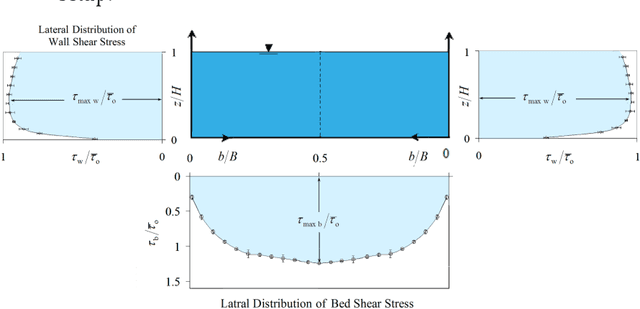
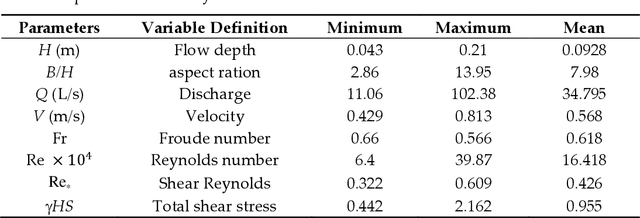
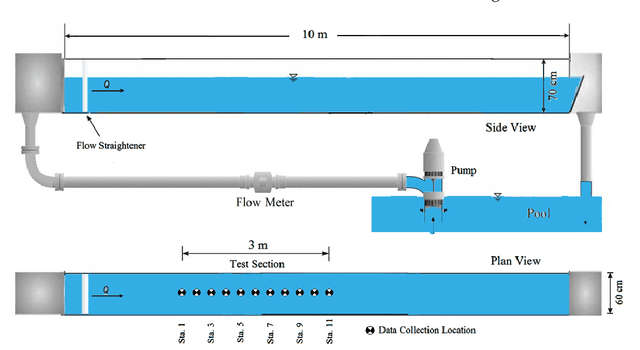
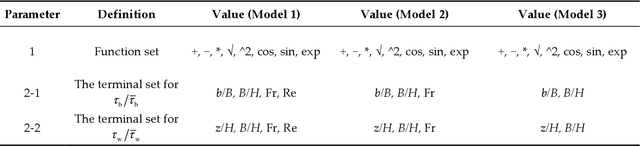
One of the most important subjects of hydraulic engineering is the reliable estimation of the transverse distribution in the rectangular channel of bed and wall shear stresses. This study makes use of the Tsallis entropy, genetic programming (GP) and adaptive neuro-fuzzy inference system (ANFIS) methods to assess the shear stress distribution (SSD) in the rectangular channel. To evaluate the results of the Tsallis entropy, GP and ANFIS models, laboratory observations were used in which shear stress was measured using an optimized Preston tube. This is then used to measure the SSD in various aspect ratios in the rectangular channel. To investigate the shear stress percentage, 10 data series with a total of 112 different data were used. The results of the sensitivity analysis show that the most influential parameter for the SSD in a smooth rectangular channel is the dimensionless parameter B/H, Where the transverse coordinate is B, and the flow depth is H. With the parameters (b/B), (B/H) for the bed and (z/H), (B/H) for the wall as inputs, the modeling of the GP was better than the other one. Based on the analysis, it can be concluded that the use of GP and ANFIS algorithms is more effective in estimating shear stress in smooth rectangular channels than the Tsallis entropy-based equations.
Analyzing Uniaxial Compressive Strength of Concrete Using a Novel Satin Bowerbird Optimizer
Mar 04, 2021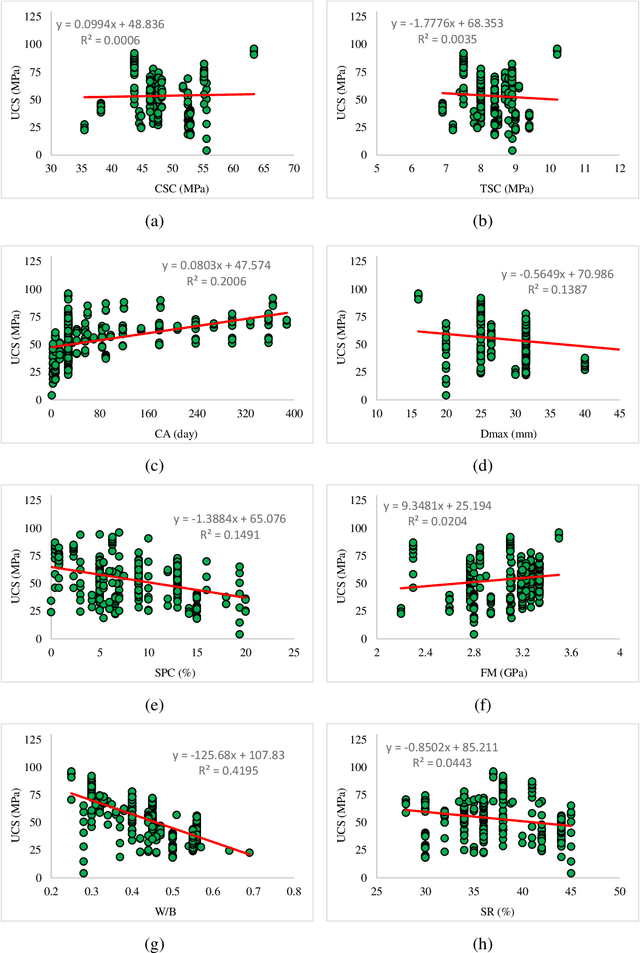
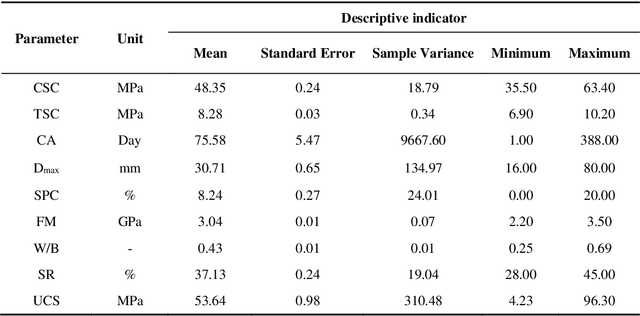
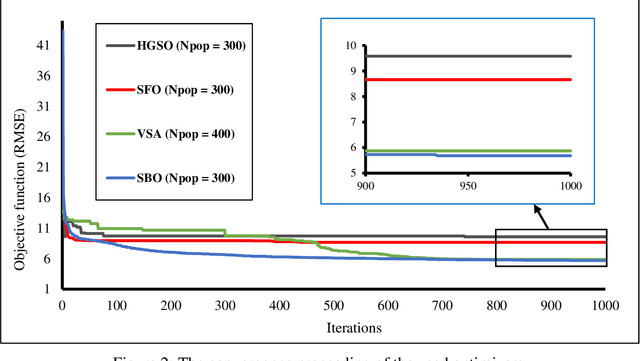
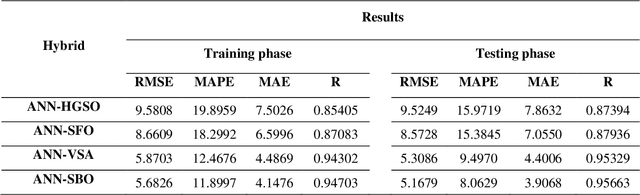
Surmounting the complexities in analyzing the mechanical parameters of concrete entails selecting an appropriate methodology. This study integrates an artificial neural network (ANN) with a novel metaheuristic technique, namely satin bowerbird optimizer (SBO) for predicting uniaxial compressive strength (UCS) of concrete. For this purpose, the created hybrid is trained and tested using a relatively large dataset collected from the published literature. Three other new algorithms, namely Henry gas solubility optimization (HGSO), sunflower optimization (SFO), and vortex search algorithm (VSA) are also used as benchmarks. After attaining a proper population size for all algorithms, Utilizing various accuracy indicators, it was shown that the proposed ANN-SBO not only can excellently analyze the UCS behavior, but also outperforms all three benchmark hybrids (i.e., ANN-HGSO, ANN-SFO, and ANN-VSA). In the prediction phase, the correlation indices of 0.87394, 0.87936, 0.95329, and 0.95663, as well as mean absolute percentage errors of 15.9719, 15.3845, 9.4970, and 8.0629%, calculated for the ANN-HGSO, ANN-SFO, ANN-VSA, and ANN-SBO, respectively, manifested the best prediction performance for the proposed model. Also, the ANN-VSA achieved reliable results as well. In short, the ANN-SBO can be used by engineers as an efficient non-destructive method for predicting the UCS of concrete.
Synthesizing multi-layer perceptron network with ant lion, biogeography-based dragonfly algorithm evolutionary strategy invasive weed and league champion optimization hybrid algorithms in predicting heating load in residential buildings
Feb 13, 2021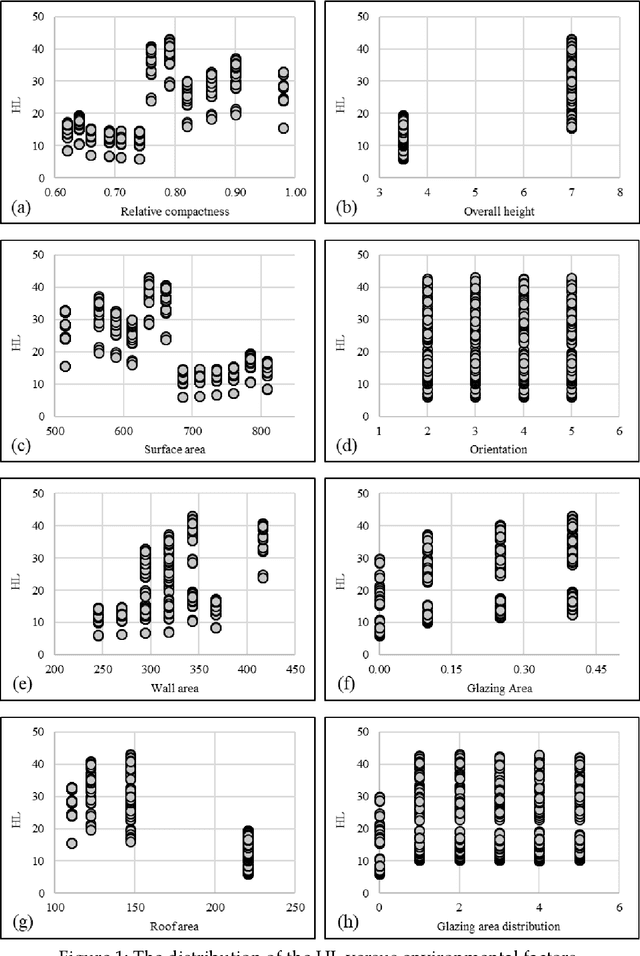
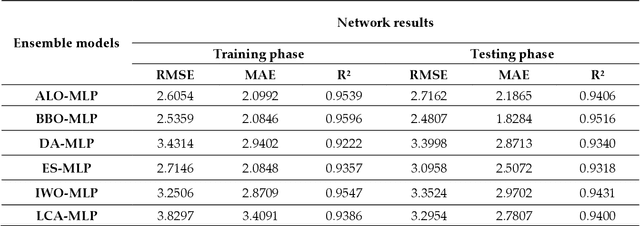
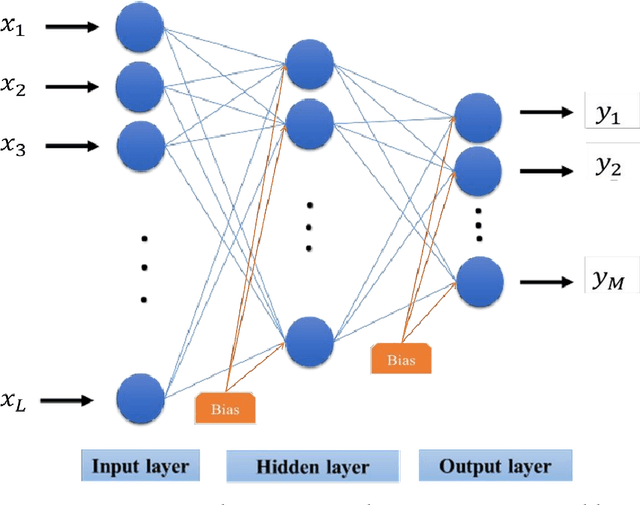
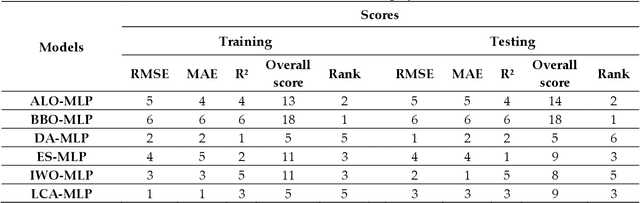
The significance of heating load (HL) accurate approximation is the primary motivation of this research to distinguish the most efficient predictive model among several neural-metaheuristic models. The proposed models are through synthesizing multi-layer perceptron network (MLP) with ant lion optimization (ALO), biogeography-based optimization (BBO), dragonfly algorithm (DA), evolutionary strategy (ES), invasive weed optimization (IWO), and league champion optimization (LCA) hybrid algorithms. Each ensemble is optimized in terms of the operating population. Accordingly, the ALO-MLP, BBO-MLP, DA-MLP, ES-MLP, IWO-MLP, and LCA-MLP presented their best performance for population sizes of 350, 400, 200, 500, 50, and 300, respectively. The comparison was carried out by implementing a ranking system. Based on the obtained overall scores (OSs), the BBO (OS = 36) featured as the most capable optimization technique, followed by ALO (OS = 27) and ES (OS = 20). Due to the efficient performance of these algorithms, the corresponding MLPs can be promising substitutes for traditional methods used for HL analysis.
Hybrid Artificial Intelligence Methods for Predicting Air Demand in Dam Bottom Outlet
Feb 13, 2021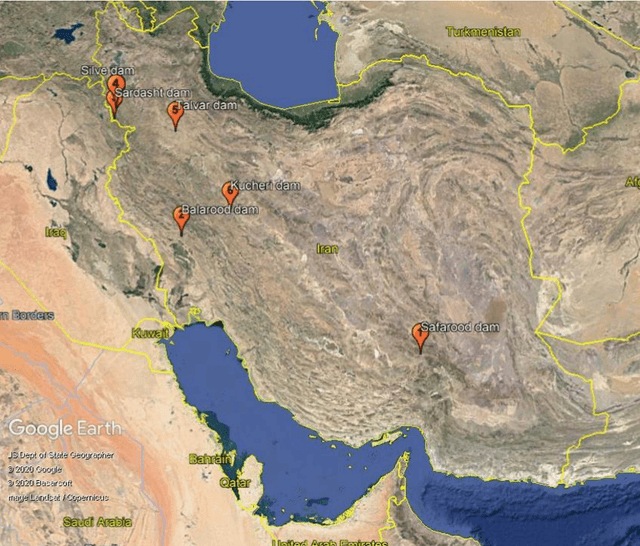
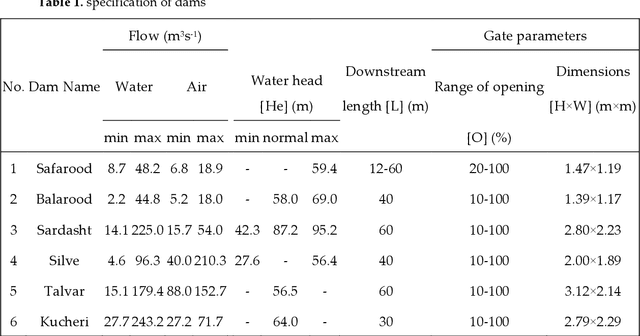
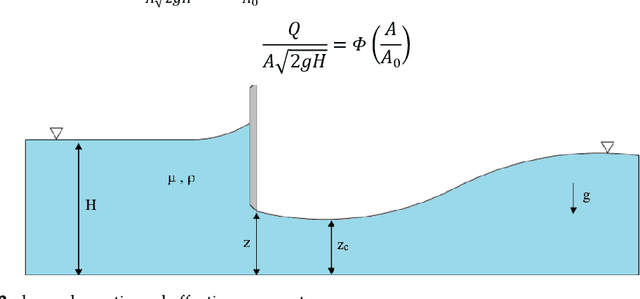
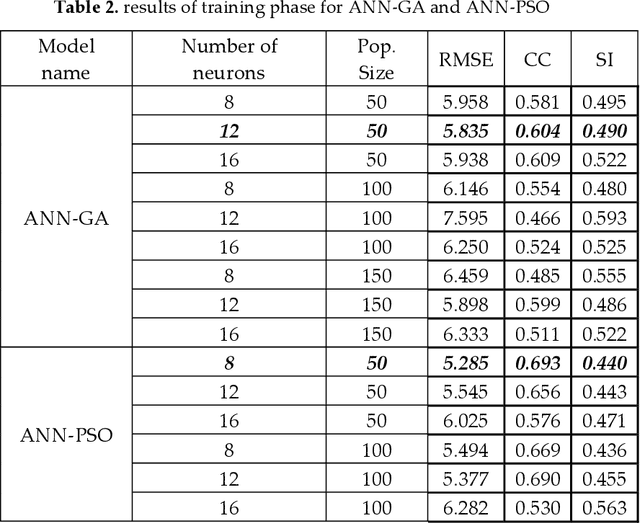
In large infrastructures such as dams, which have a relatively high economic value, ensuring the proper operation of the associated hydraulic facilities in different operating conditions is of utmost importance. To ensure the correct and successful operation of the dam's hydraulic equipment and prevent possible damages, including gates and downstream tunnel, to build laboratory models and perform some tests are essential (the advancement of the smart sensors based on artificial intelligence is essential). One of the causes of damage to dam bottom outlets is cavitation in downstream and between the gates, which can impact on dam facilities, and air aeration can be a solution to improve it. In the present study, six dams in different provinces in Iran has been chosen to evaluate the air entrainment in the downstream tunnel experimentally. Three artificial neural networks (ANN) based machine learning (ML) algorithms are used to model and predict the air aeration in the bottom outlet. The proposed models are trained with genetic algorithms (GA), particle swarm optimization (PSO), i.e., ANN-GA, ANN-PSO, and ANFIS-PSO. Two hydrodynamic variables, namely volume rate and opening percentage of the gate, are used as inputs into all bottom outlet models. The results showed that the most optimal model is ANFIS-PSO to predict the dependent value compared with ANN-GA and ANN-PSO. The importance of the volume rate and opening percentage of the dams' gate parameters is more effective for suitable air aeration.
Early detection of the advanced persistent threat attack using performance analysis of deep learning
Sep 19, 2020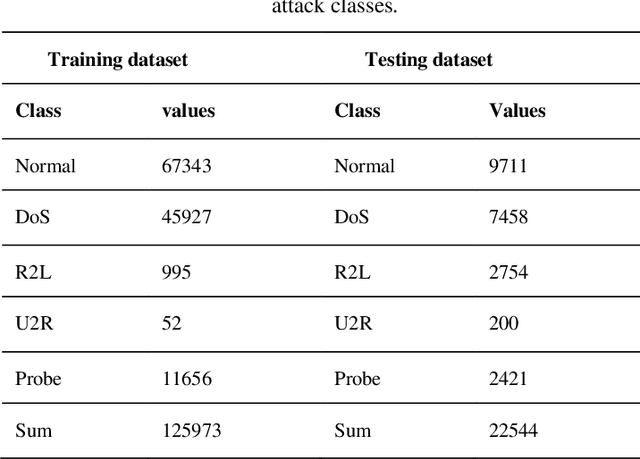
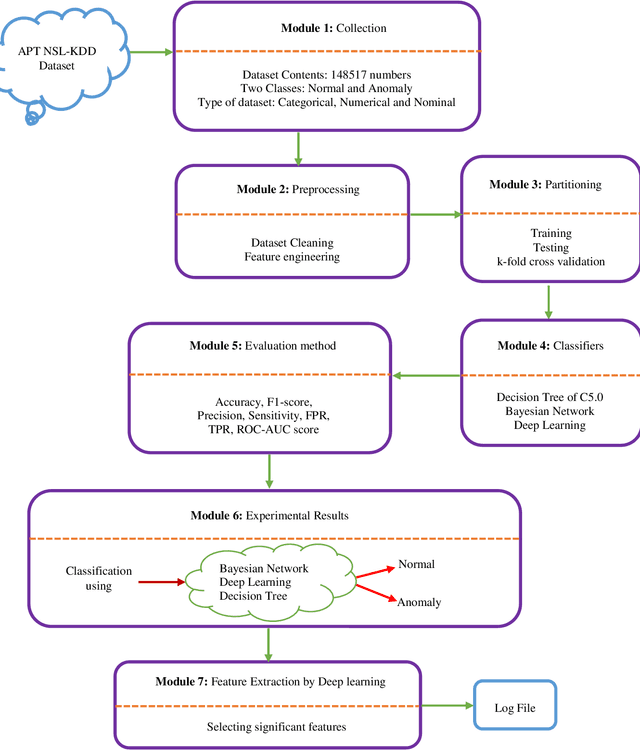
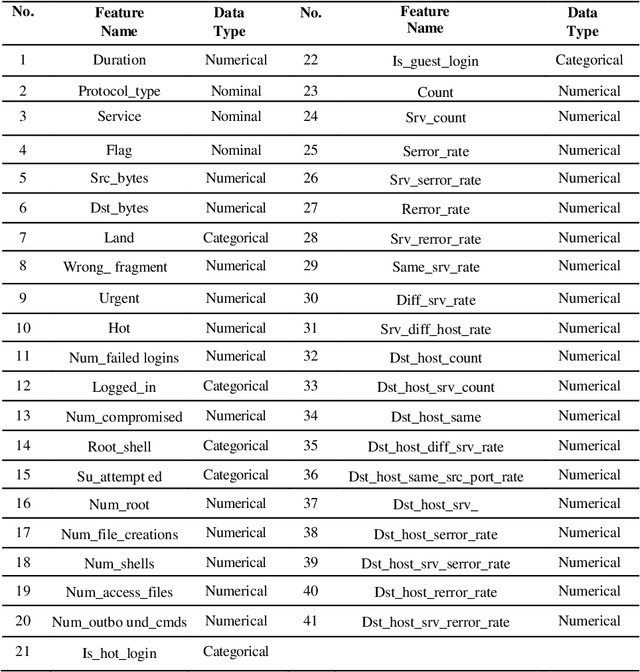
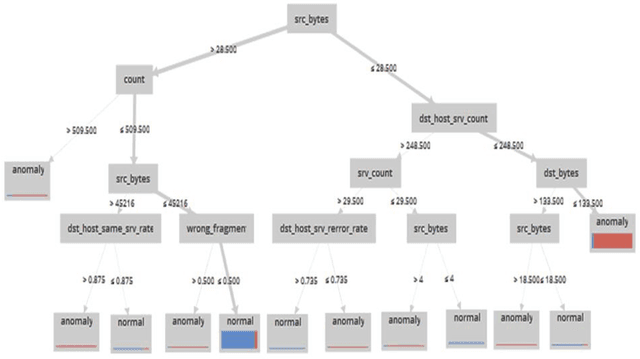
One of the most common and important destructive attacks on the victim system is Advanced Persistent Threat (APT)-attack. The APT attacker can achieve his hostile goals by obtaining information and gaining financial benefits regarding the infrastructure of a network. One of the solutions to detect a secret APT attack is using network traffic. Due to the nature of the APT attack in terms of being on the network for a long time and the fact that the network may crash because of high traffic, it is difficult to detect this type of attack. Hence, in this study, machine learning methods such as C5.0 decision tree, Bayesian network and deep neural network are used for timely detection and classification of APT-attacks on the NSL-KDD dataset. Moreover, 10-fold cross validation method is used to experiment these models. As a result, the accuracy (ACC) of the C5.0 decision tree, Bayesian network and 6-layer deep learning models is obtained as 95.64%, 88.37% and 98.85%, respectively, and also, in terms of the important criterion of the false positive rate (FPR), the FPR value for the C5.0 decision tree, Bayesian network and 6-layer deep learning models is obtained as 2.56, 10.47 and 1.13, respectively. Other criterions such as sensitivity, specificity, accuracy, false negative rate and F-measure are also investigated for the models, and the experimental results show that the deep learning model with automatic multi-layered extraction of features has the best performance for timely detection of an APT-attack comparing to other classification models.
Adaptive Neuro-Fuzzy Inference System and a Multilayer Perceptron Model Trained with Grey Wolf Optimizer for Predicting Solar Diffuse Fraction
Sep 13, 2020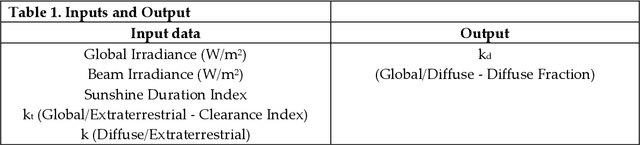
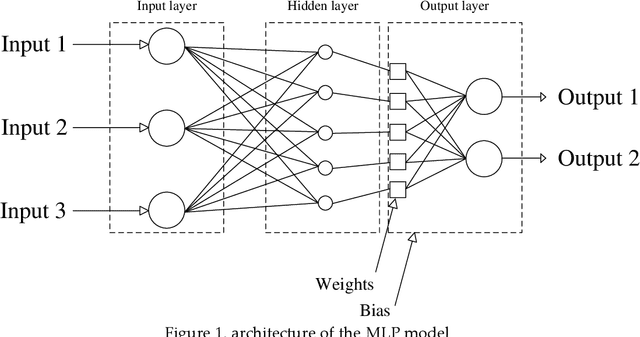
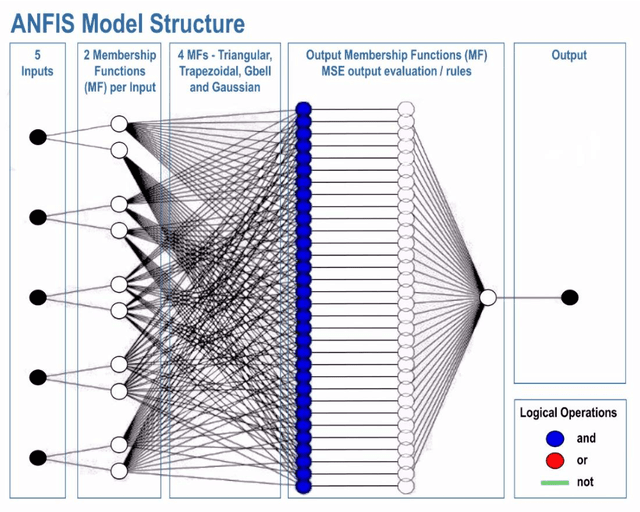
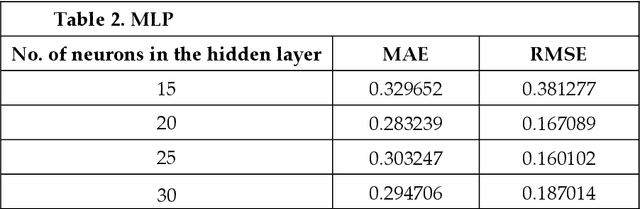
The accurate prediction of the solar Diffuse Fraction (DF), sometimes called the Diffuse Ratio, is an important topic for solar energy research. In the present study, the current state of Diffuse Irradiance research is discussed and then three robust, Machine Learning (ML) models, are examined using a large dataset (almost 8 years) of hourly readings from Almeria, Spain. The ML models used herein, are a hybrid Adaptive Network-based Fuzzy Inference System (ANFIS), a single Multi-Layer Perceptron (MLP) and a hybrid Multi-Layer Perceptron-Grey Wolf Optimizer (MLP-GWO). These models were evaluated for their predictive precision, using various Solar and Diffuse Fraction (DF) irradiance data, from Spain. The results were then evaluated using two frequently used evaluation criteria, the Mean Absolute Error (MAE) and the Root Mean Square Error (RMSE). The results showed that the MLP-GWO model, followed by the ANFIS model, provided a higher performance, in both the training and the testing procedures.
Modeling and Uncertainty Analysis of Groundwater Level Using Six Evolutionary Optimization Algorithms Hybridized with ANFIS, SVM, and ANN
Jun 28, 2020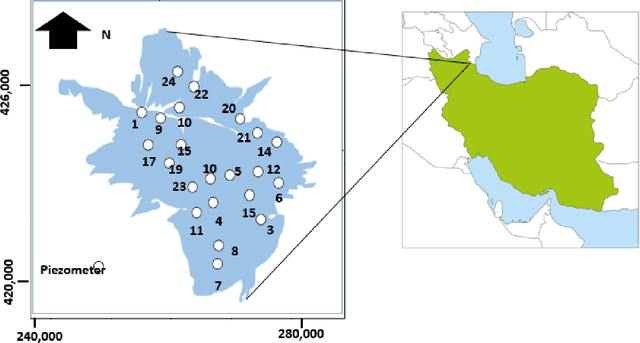
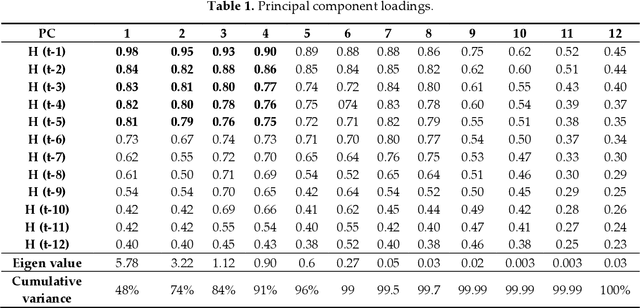
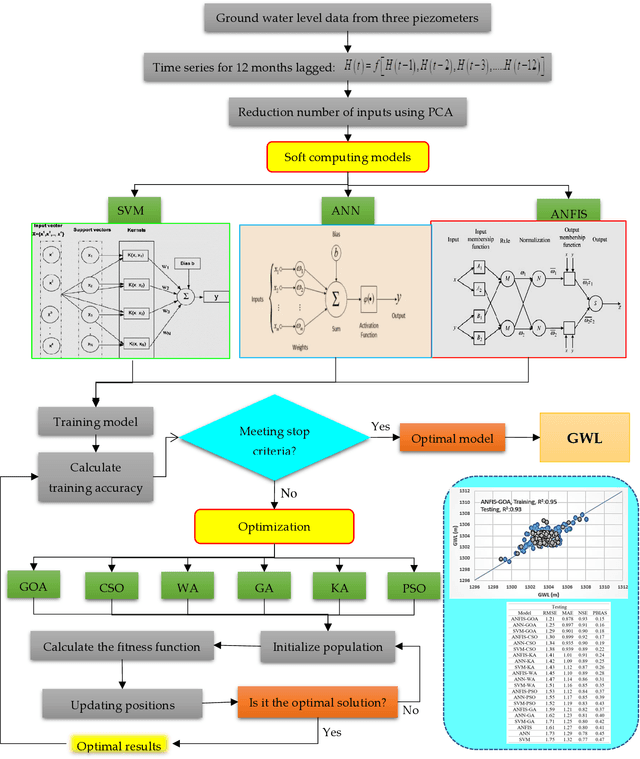
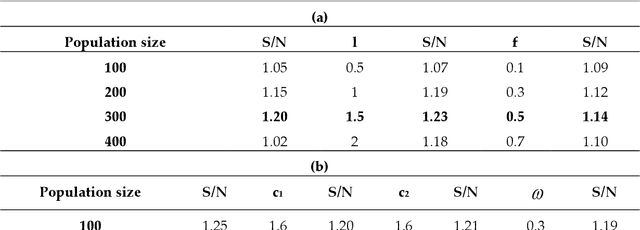
In the present study, six meta-heuristic schemes are hybridized with artificial neural network (ANN), adaptive neuro-fuzzy interface system (ANFIS), and support vector machine (SVM), to predict monthly groundwater level (GWL), evaluate uncertainty analysis of predictions and spatial variation analysis. The six schemes, including grasshopper optimization algorithm (GOA), cat swarm optimization (CSO), weed algorithm (WA), genetic algorithm (GA), krill algorithm (KA), and particle swarm optimization (PSO), were used to hybridize for improving the performance of ANN, SVM, and ANFIS models. Groundwater level (GWL) data of Ardebil plain (Iran) for a period of 144 months were selected to evaluate the hybrid models. The pre-processing technique of principal component analysis (PCA) was applied to reduce input combinations from monthly time series up to 12-month prediction intervals. The results showed that the ANFIS-GOA was superior to the other hybrid models for predicting GWL in the first piezometer and third piezometer in the testing stage. The performance of hybrid models with optimization algorithms was far better than that of classical ANN, ANFIS, and SVM models without hybridization. The percent of improvements in the ANFIS-GOA versus standalone ANFIS in piezometer 10 were 14.4%, 3%, 17.8%, and 181% for RMSE, MAE, NSE, and PBIAS in the training stage and 40.7%, 55%, 25%, and 132% in testing stage, respectively. The improvements for piezometer 6 in train step were 15%, 4%, 13%, and 208% and in the test step were 33%, 44.6%, 16.3%, and 173%, respectively, that clearly confirm the superiority of developed hybridization schemes in GWL modeling. Uncertainty analysis showed that ANFIS-GOA and SVM had, respectively, the best and worst performances among other models. In general, GOA enhanced the accuracy of the ANFIS, ANN, and SVM models.
* 42 pages, 11 figures
A Mobile Cloud-Based eHealth Scheme
Apr 15, 2020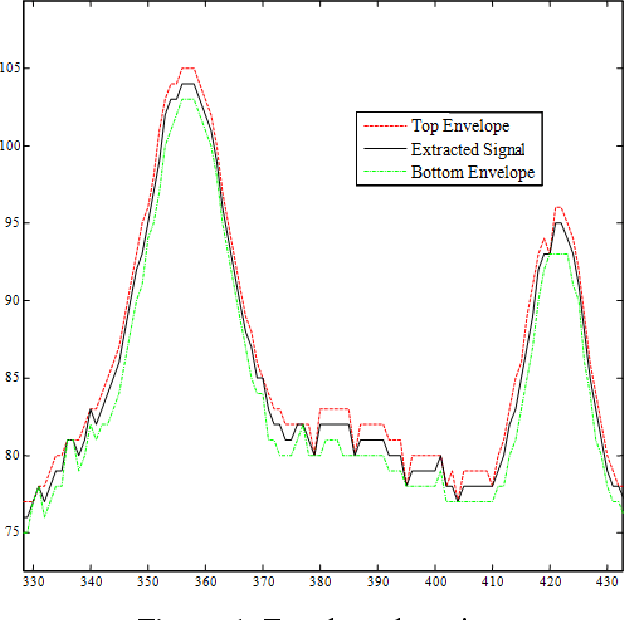
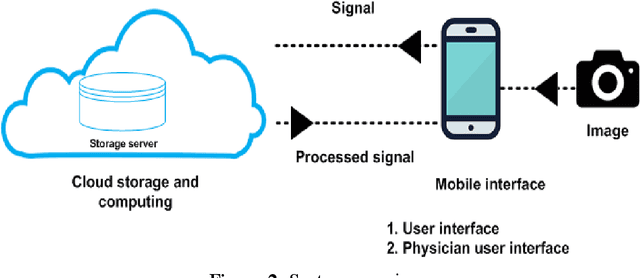
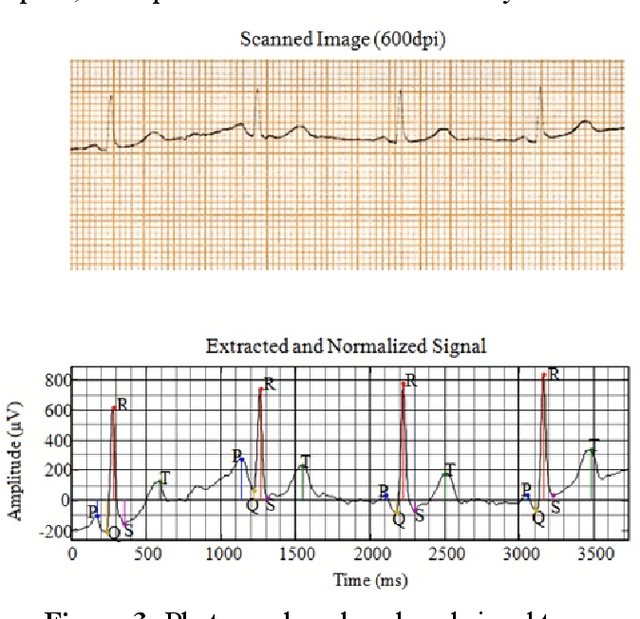
Mobile cloud computing is an emerging field that is gaining popularity across borders at a rapid pace. Similarly, the field of health informatics is also considered as an extremely important field. This work observes the collaboration between these two fields to solve the traditional problem of extracting Electrocardiogram signals from trace reports and then performing analysis. The developed system has two front ends, the first dedicated for the user to perform the photographing of the trace report. Once the photographing is complete, mobile computing is used to extract the signal. Once the signal is extracted, it is uploaded into the server and further analysis is performed on the signal in the cloud. Once this is done, the second interface, intended for the use of the physician, can download and view the trace from the cloud. The data is securely held using a password-based authentication method. The system presented here is one of the first attempts at delivering the total solution, and after further upgrades, it will be possible to deploy the system in a commercial setting.