 Add to Chrome
 Add to Firefox
 Add to Edge
SwarmFly: A simulation platform for UAV swarm experiment design and validation
Jun 23, 2026
The initial development phase of UAV swarms largely depends on simulation for experimental design and validation, yet existing open-source tools are often unmaintained, have steep learning curves, or are built around a single fixed scenario. The need for a comprehensive, modular simulation platform is a recognized research gap. This paper presents SwarmFly, a MATLAB-based simulation and test platform for multi- UAV swarms that addresses these gaps. SwarmFly combines a real-time operational map, four swarm coordination modes (leader-follower, decentralized, heterogeneous relay, and heterogeneous speed), simulated IMU telemetry, and IP-based geolocation with a plugin architecture that lets researchers add behaviors, fault models, and analysis tools without touching the core code. Eight bundled plugins extend the base simulator into a full test harness. The SwarmFly platform exposes multi-agent aerial swarms to a wide range of internal and external disruptions, enabling observation and quantification of underlying swarm control and behavioral mechanisms. This study verifies and characterizes each subsystem through eight experiments that measure formation accuracy, wind tolerance, fault recovery, energy endurance, and airspace compliance. The platform runs entirely in MATLAB. Its modular design supports straightforward extension toward hardware-in-the-loop testing, larger swarms, and higher-fidelity dynamics. An open-source release is available at [https://github.com/abhishekphadke/SwarmFly.git]

A Classification of Heterogeneity in Uncrewed Vehicle Swarms and the Effects of Its Inclusion on Overall Swarm Resilience
Mar 30, 2026Combining different types of agents in uncrewed vehicle (UV) swarms has emerged as an approach to enhance mission resilience and operational capabilities across a wide range of applications. This study offers a systematic framework for grouping different types of swarms based on three main factors: agent nature (behavior and function), hardware structure (physical configuration and sensing capabilities), and operational space (domain of operation). A literature review indicates that strategic heterogeneity significantly improves swarm performance. Operational challenges, including communication architecture constraints, energy-aware coordination strategies, and control system integration, are also discussed. The analysis shows that heterogeneous swarms are more resilient because they can leverage diverse capabilities, adapt roles on the fly, and integrate data from multidimensional sensor feeds. Some important factors to consider when implementing are sim-to-real-world transfer for learned policies, standardized evaluation metrics, and control architectures that can work together. Learning-based coordination, GPS (Global Positioning System)-denied multi-robot SLAM (Simultaneous Localization and Mapping), and domain-specific commercial deployments collectively demonstrate that heterogeneous swarm technology is moving closer to readiness for high-value applications. This study offers a single taxonomy and evidence-based observations on methods for designing mission-ready heterogeneous swarms that balance complexity and increased capability.
Integrating Large Language Models for UAV Control in Simulated Environments: A Modular Interaction Approach
Oct 23, 2024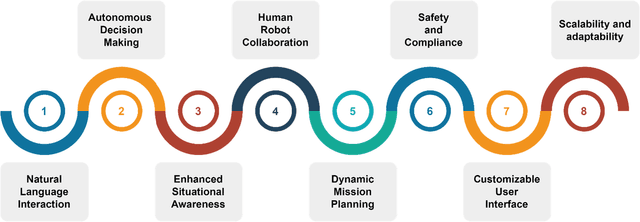
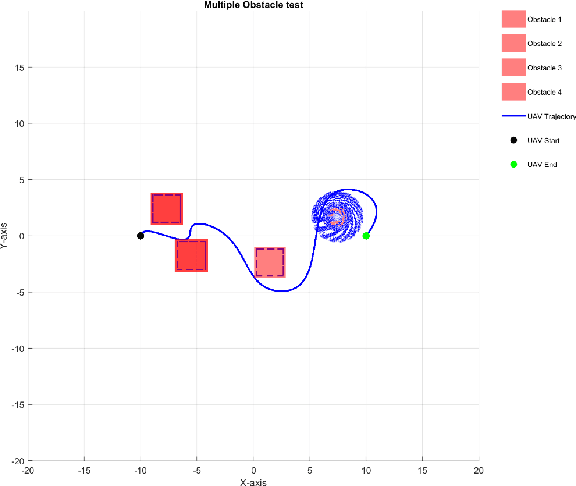
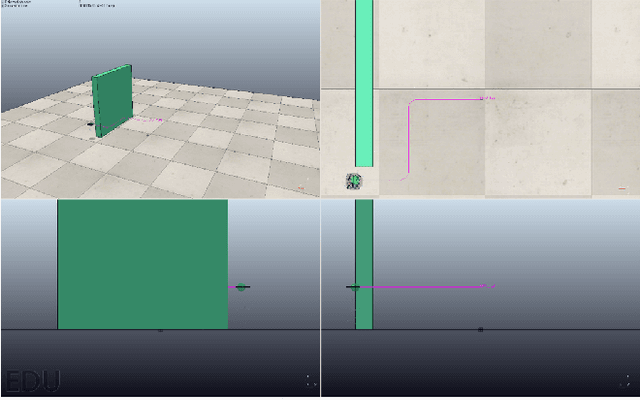
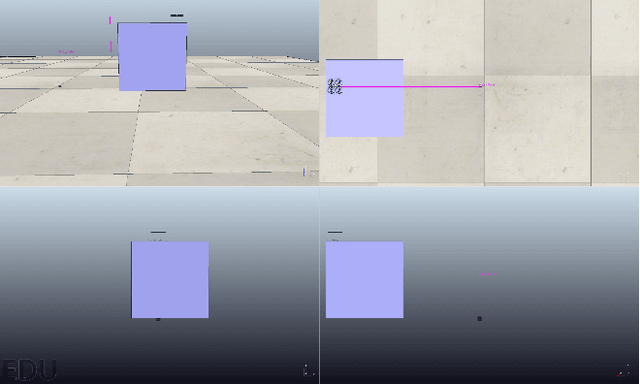
The intersection of LLMs (Large Language Models) and UAV (Unoccupied Aerial Vehicles) technology represents a promising field of research with the potential to enhance UAV capabilities significantly. This study explores the application of LLMs in UAV control, focusing on the opportunities for integrating advanced natural language processing into autonomous aerial systems. By enabling UAVs to interpret and respond to natural language commands, LLMs simplify the UAV control and usage, making them accessible to a broader user base and facilitating more intuitive human-machine interactions. The paper discusses several key areas where LLMs can impact UAV technology, including autonomous decision-making, dynamic mission planning, enhanced situational awareness, and improved safety protocols. Through a comprehensive review of current developments and potential future directions, this study aims to highlight how LLMs can transform UAV operations, making them more adaptable, responsive, and efficient in complex environments. A template development framework for integrating LLMs in UAV control is also described. Proof of Concept results that integrate existing LLM models and popular robotic simulation platforms are demonstrated. The findings suggest that while there are substantial technical and ethical challenges to address, integrating LLMs into UAV control holds promising implications for advancing autonomous aerial systems.