 Add to Chrome
 Add to Firefox
 Add to Edge
Cloud2BIM: An open-source automatic pipeline for efficient conversion of large-scale point clouds into IFC format
Mar 14, 2025
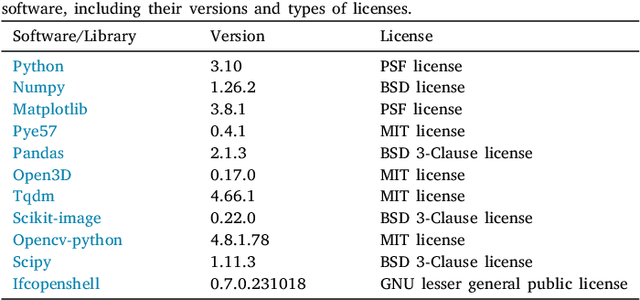
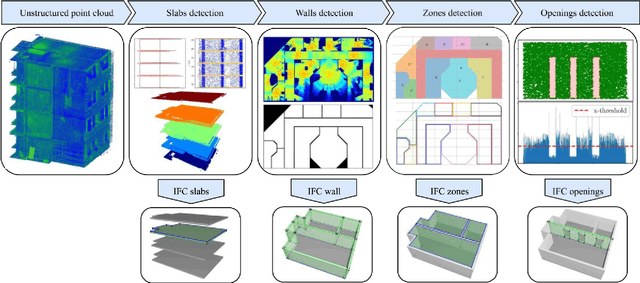
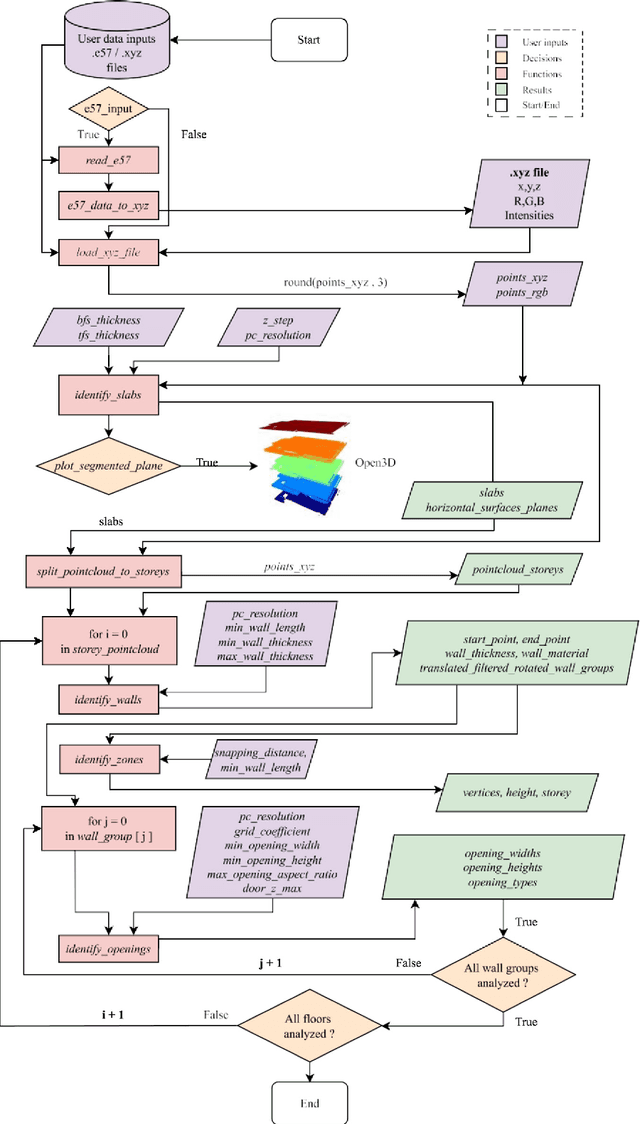
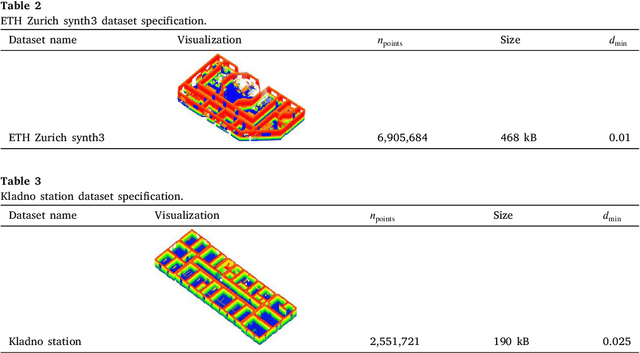
Building Information Modeling (BIM) is an essential component in the sustainable reconstruction and revitalization of ageing structures. However, model creation usually relies on laborious manual transformation of the unstructured point cloud data provided by laser scans or photogrammetry. This paper presents Cloud2BIM, an open-source software tool designed to automate the conversion of point clouds into BIM models compliant with the Industry Foundation Classes (IFC) standard. Cloud2BIM integrates advanced algorithms for wall and slab segmentation, opening detection, and room zoning based on real wall surfaces, resulting in a comprehensive and fully automated workflow. Unlike existing tools, it avoids computationally- and calibration-intensive techniques such as RANSAC, supports non-orthogonal geometries, and provides unprecedented processing speed-achieving results up to seven times faster than fastest competing solutions. Systematic validation using benchmark datasets confirms that Cloud2BIM is an easy-to-use, efficient, and scalable solution for generating accurate BIM models, capable of converting extensive point cloud datasets for entire buildings into IFC format with minimal user input.

Predicting the fatigue life of asphalt concrete using neural networks
Jun 03, 2024
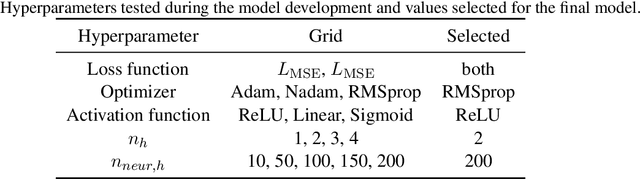
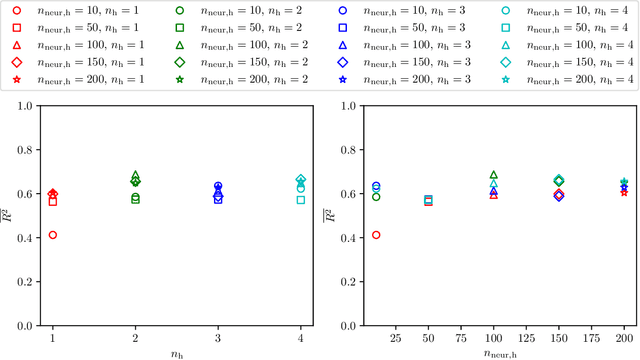
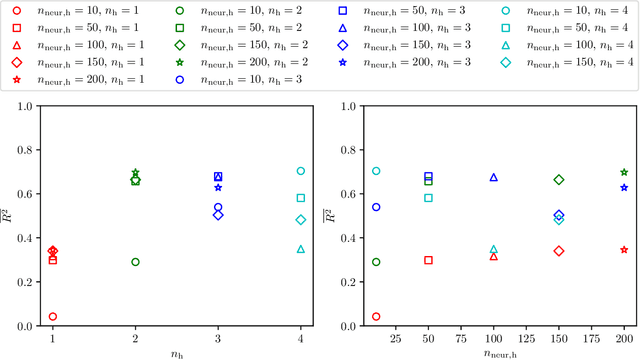
Asphalt concrete's (AC) durability and maintenance demands are strongly influenced by its fatigue life. Traditional methods for determining this characteristic are both resource-intensive and time-consuming. This study employs artificial neural networks (ANNs) to predict AC fatigue life, focusing on the impact of strain level, binder content, and air-void content. Leveraging a substantial dataset, we tailored our models to effectively handle the wide range of fatigue life data, typically represented on a logarithmic scale. The mean square logarithmic error was utilized as the loss function to enhance prediction accuracy across all levels of fatigue life. Through comparative analysis of various hyperparameters, we developed a machine-learning model that captures the complex relationships within the data. Our findings demonstrate that higher binder content significantly enhances fatigue life, while the influence of air-void content is more variable, depending on binder levels. Most importantly, this study provides insights into the intricacies of using ANNs for modeling, showcasing their potential utility with larger datasets. The codes developed and the data used in this study are provided as open source on a GitHub repository, with a link included in the paper for full access.