 Add to Chrome
 Add to Firefox
 Add to Edge
Enhancing Deep Neural Network Saliency Visualizations with Gradual Extrapolation
Apr 11, 2021
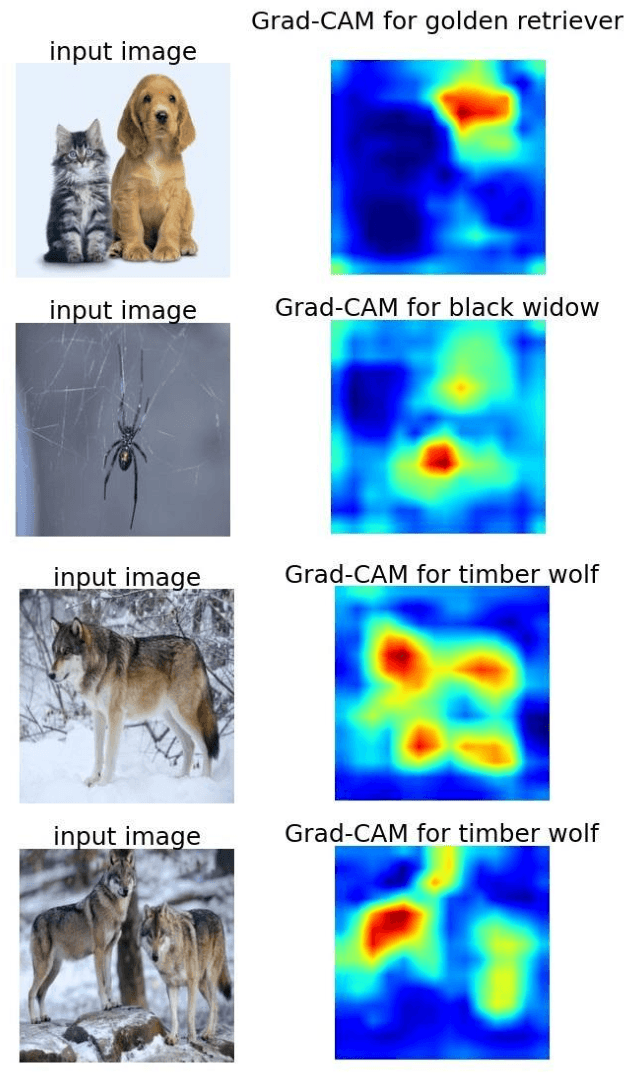
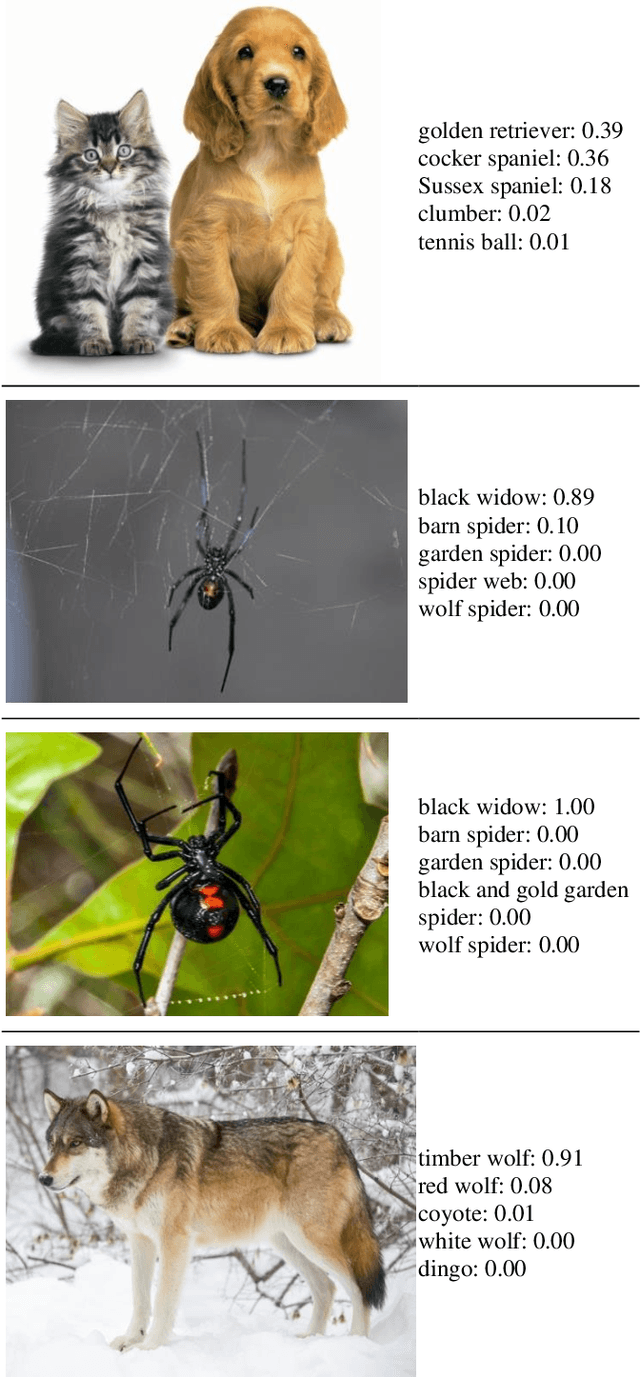
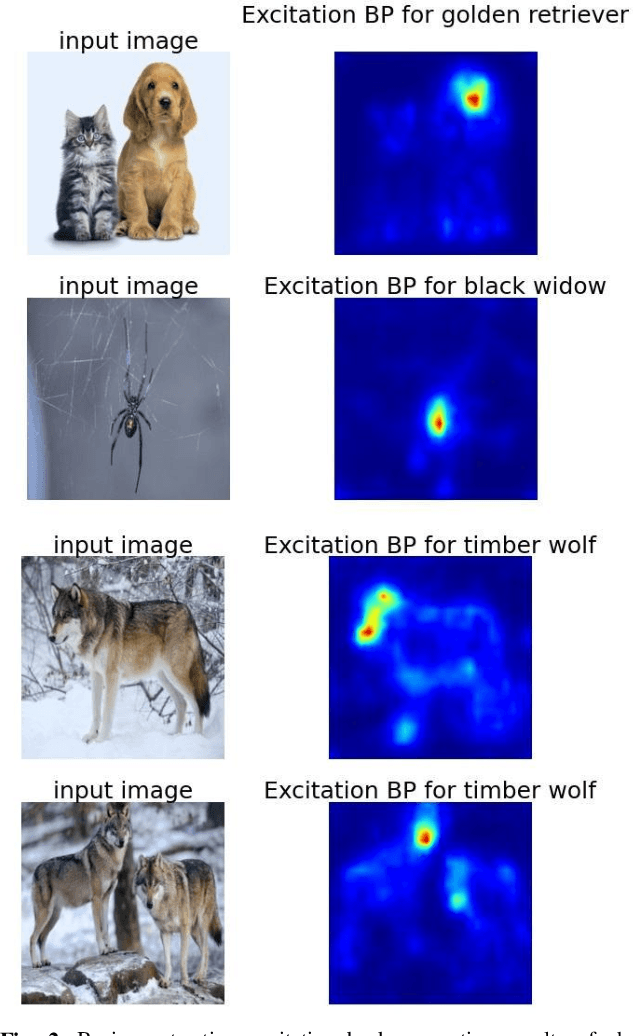
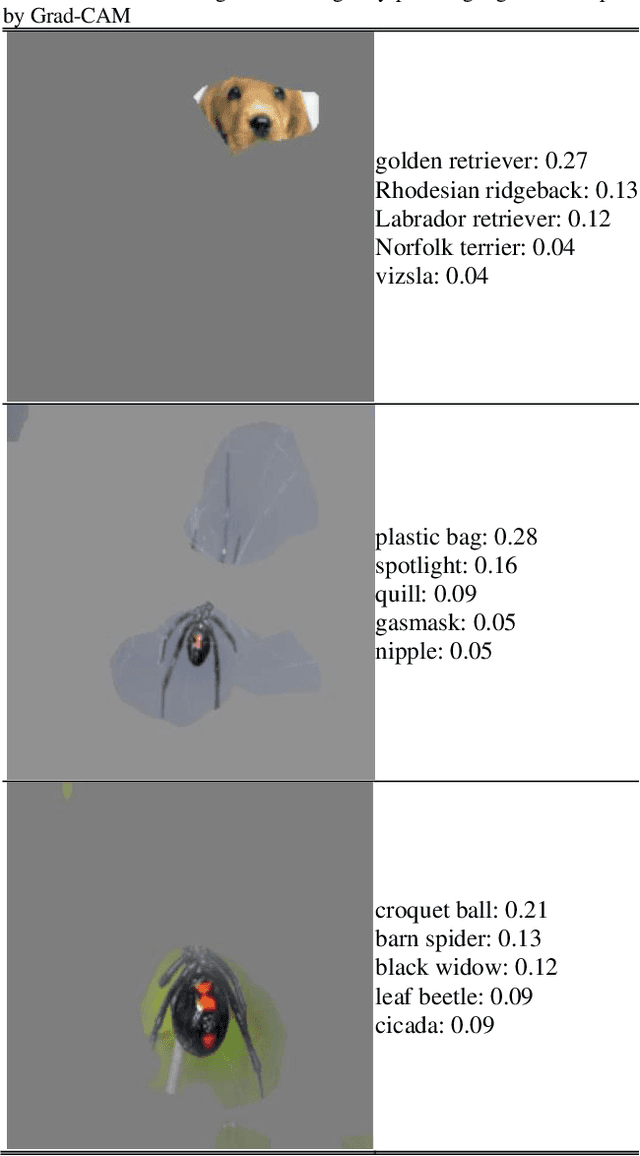
We propose an enhancement technique of the Class Activation Mapping methods like Grad-CAM or Excitation Backpropagation, which presents visual explanations of decisions from CNN-based models. Our idea, called Gradual Extrapolation, can supplement any method that generates a heatmap picture by sharpening the output. Instead of producing a coarse localization map highlighting the important predictive regions in the image, our method outputs the specific shape that most contributes to the model output. Thus, it improves the accuracy of saliency maps. Effect has been achieved by gradual propagation of the crude map obtained in deep layer through all preceding layers with respect to their activations. In validation tests conducted on a selected set of images, the proposed method significantly improved the localization detection of the neural networks' attention. Furthermore, the proposed method is applicable to any deep neural network model.

TorchPRISM: Principal Image Sections Mapping, a novel method for Convolutional Neural Network features visualization
Jan 27, 2021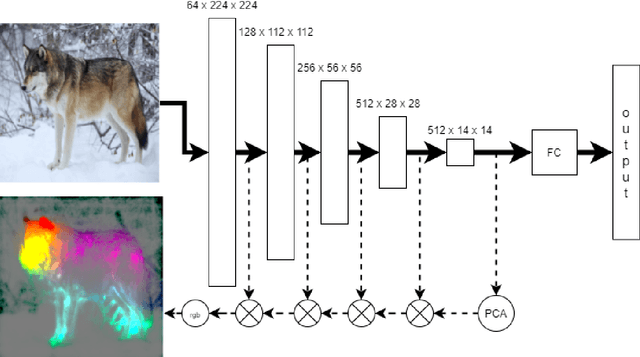
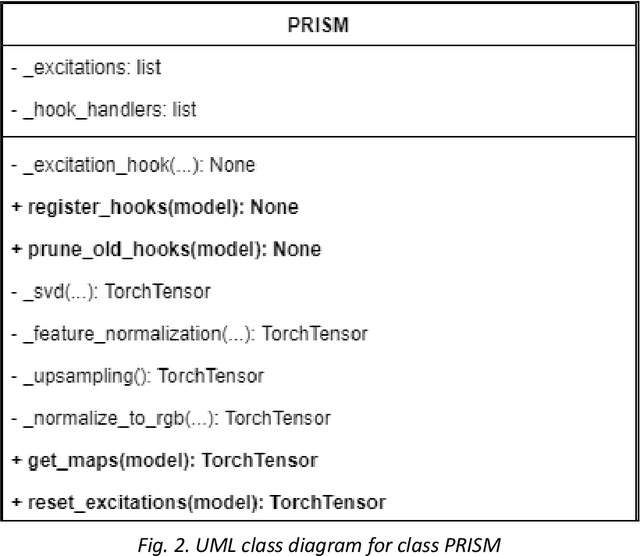
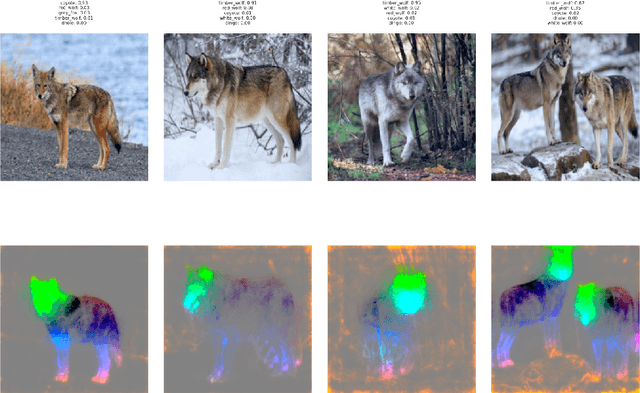
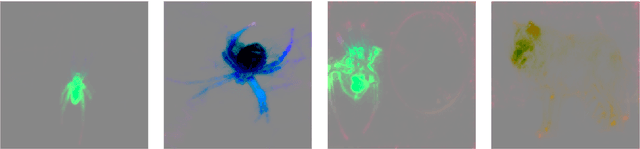
In this paper we introduce a tool called Principal Image Sections Mapping - PRISM, dedicated for PyTorch, but can be easily ported to other deep learning frameworks. Presented software relies on Principal Component Analysis to visualize the most significant features recognized by a given Convolutional Neural Network. Moreover, it allows to display comparative set features between images processed in the same batch, therefore PRISM can be a method well synerging with technique Explanation by Example.
Convolutional Neural Network for Blur Images Detection as an Alternative for Laplacian Method
Oct 15, 2020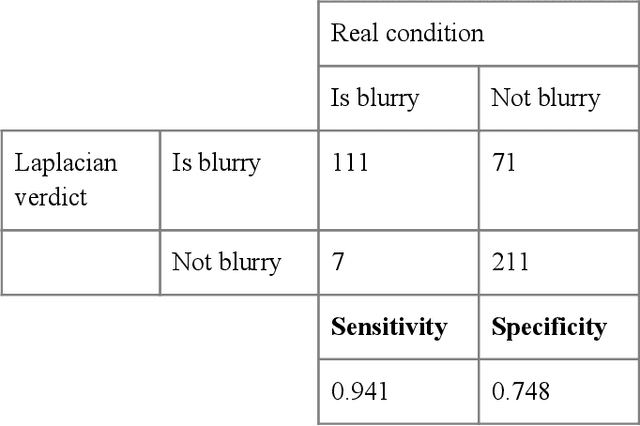
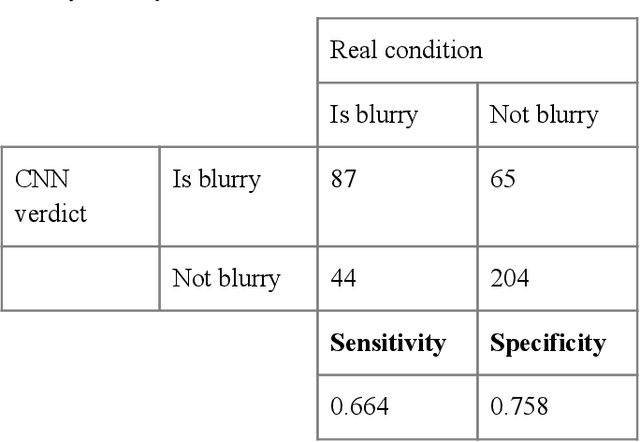

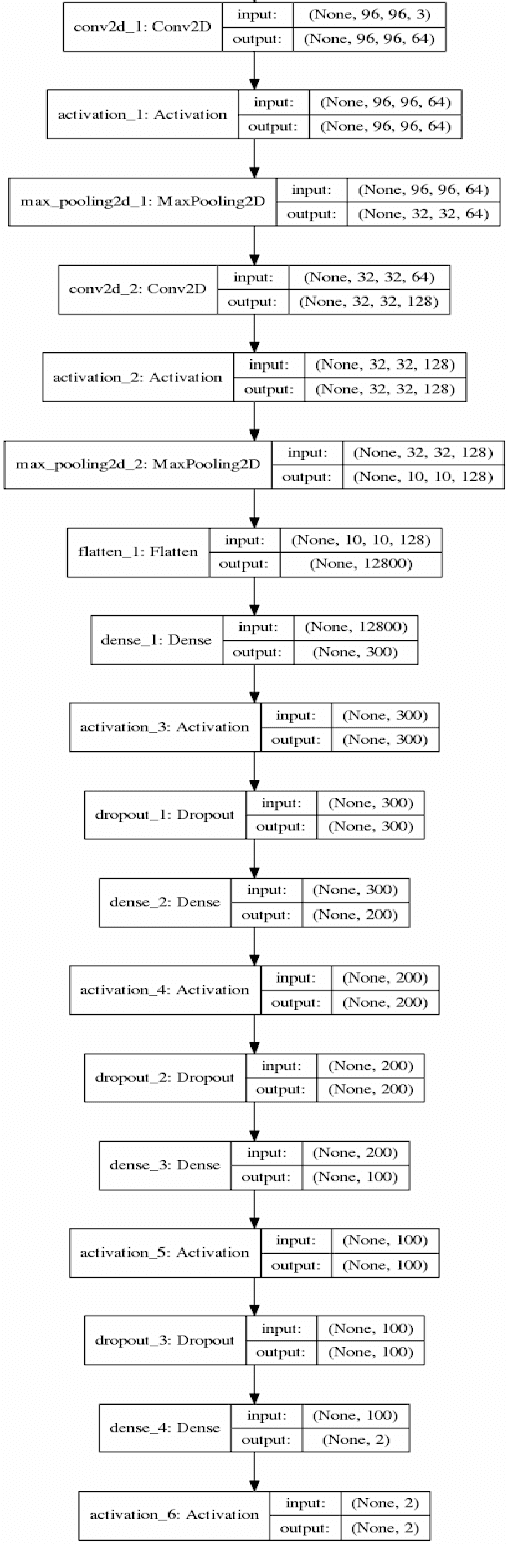
With the prevalence of digital cameras, the number of digital images increases quickly, which raises the demand for non-manual image quality assessment. While there are many methods considered useful for detecting blurriness, in this paper we propose and evaluate a new method that uses a deep convolutional neural network, which can determine whether an image is blurry or not. Experimental results demonstrate the effectiveness of the proposed scheme and are compared to deterministic methods using the confusion matrix.