 Add to Chrome
 Add to Firefox
 Add to Edge
PrionNER: A Named Entity Recognition Dataset for Prion Disease Biomedical Literature
May 27, 2026
Prion diseases are rare, rapidly progressive, and fatal neurodegenerative disorders that remain difficult to diagnose, particularly in their early stages because of nonspecific clinical presentations. However, to our knowledge, there is no publicly available prion-disease-focused dataset designed to capture a broad range of clinically relevant entities from the biomedical literature. We introduce PrionNER, a manually annotated named entity recognition dataset for prion disease clinical information in PubMed abstracts. The current release comprises 317 abstracts, 2,943 sentences, and 6,955 text-bound entity annotations spanning 15 coarse-grained and 31 fine-grained clinically oriented entity types covering diseases, symptoms, diagnostics, findings, anatomy, treatments, and temporal and statistical evidence. Inter-annotator agreement reaches 81.78 exact-match F1, indicating strong annotation consistency. We benchmark supervised BERT baselines, W2NER, and zero-shot extractors on PrionNER. W2NER is the strongest supervised model, and Gemma-4-31B is the strongest zero-shot model, but the benchmark remains challenging, especially for structurally complex mentions and fine-grained clinically adjacent label distinctions. PrionNER provides a clinically grounded benchmark for prion-disease information extraction and supports research on rare-disease biomedical NLP under low-resource, fine-grained, and non-flat extraction conditions. The dataset, annotation guidelines, and evaluation scripts are available at https://github.com/daotuanan/PrionNER/.

Cloud-Based Face and Speech Recognition for Access Control Applications
May 08, 2020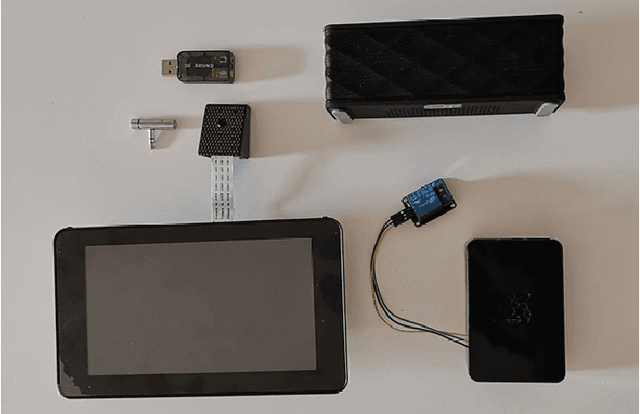
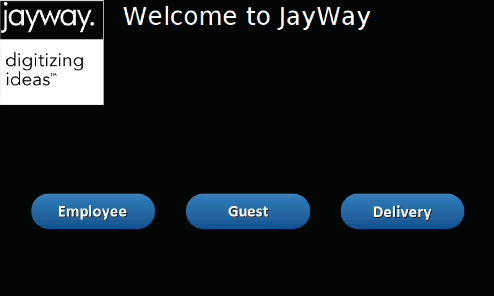
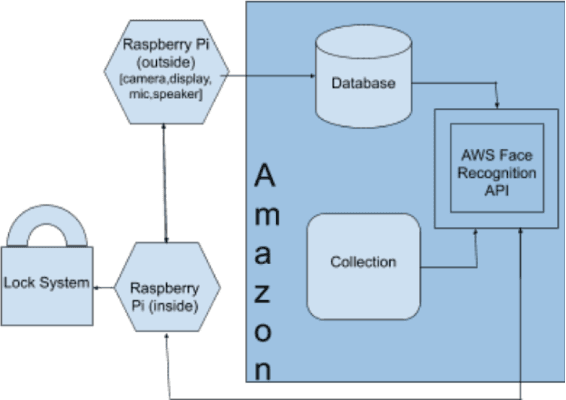
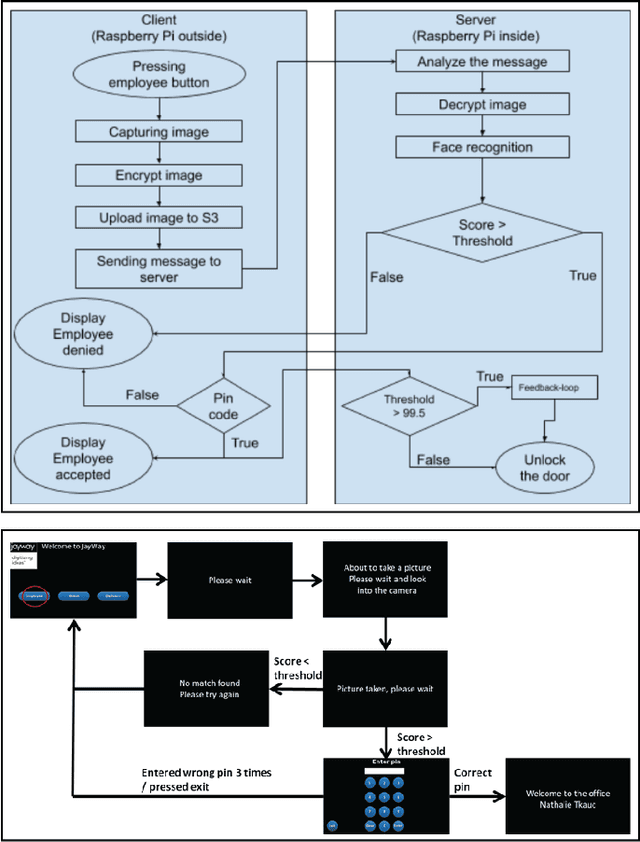
This paper describes the implementation of a system to recognize employees and visitors wanting to gain access to a physical office through face images and speech-to-text recognition. The system helps employees to unlock the entrance door via face recognition without the need of tag-keys or cards. To prevent spoofing attacks and increase security, a randomly generated code is sent to the employee, who then has to type it into the screen. On the other hand, visitors and delivery persons are provided with a speech-to-text service where they utter the name of the employee that they want to meet, and the system then sends a notification to the right employee automatically. The hardware of the system is constituted by two Raspberry Pi, a 7-inch LCD-touch display, a camera, and a sound card with a microphone and speaker. To carry out face recognition and speech-to-text conversion, the cloud-based platforms Amazon Web Services and the Google Speech-to-Text API service are used respectively. The two-step face authentication mechanism for employees provides an increased level of security and protection against spoofing attacks without the need of carrying key-tags or access cards, while disturbances by visitors or couriers are minimized by notifying their arrival to the right employee, without disturbing other co-workers by means of ring-bells.