 Add to Chrome
 Add to Firefox
 Add to Edge
Understanding LLMs in Title-Abstract Screening: From Disagreements to Recommendations
Jun 16, 2026
Several studies have examined the use of large language models (LLMs) for title-abstract screening in systematic reviews (SRs), reporting mixed accuracy. However, questions of reliability remain largely unaddressed. In this study, we go beyond quantitative LLM-human agreement metrics and qualitatively investigate how and why LLMs fail. We also propose actionable recommendations. We analyzed disagreements between LLMs and researchers across six software engineering SRs and over 1,000 primary study papers. For each SR, papers were screened independently by human experts and LLMs in zero-shot mode, resulting in Kappa values ranging from 0.52 to 0.77. Qualitative analysis suggests that human-LLM disagreement results from recurring, identifiable causes, such as boundary ambiguity in key terms, keyword overemphasization, and incorrect topic inference. Based on these findings, we propose recommendations such as validating semantic understanding before deployment, running multiple LLMs, and focusing validation efforts on borderline cases. Future studies are needed to validate the impact of our recommendations, and community efforts are needed to develop normative guidelines on LLM usage in SRs.

Software engineering for artificial intelligence and machine learning software: A systematic literature review
Nov 07, 2020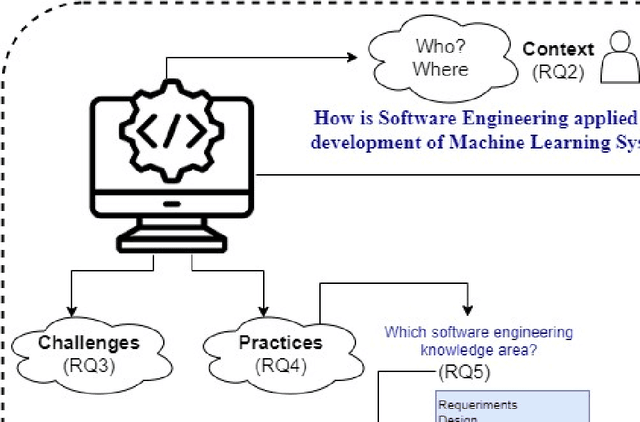
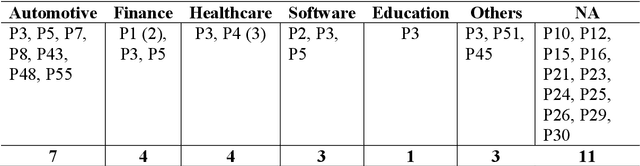
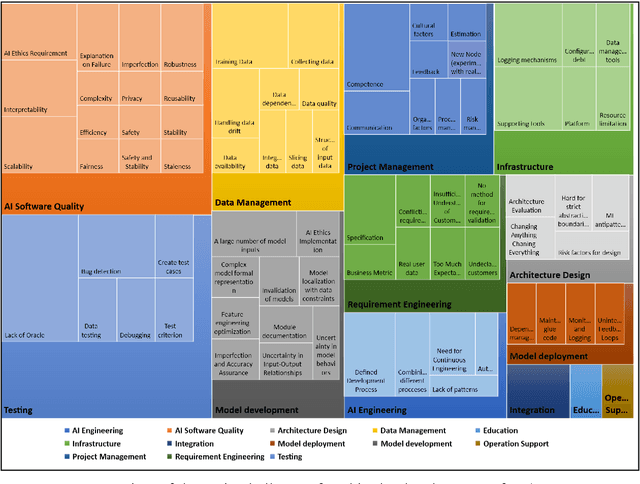
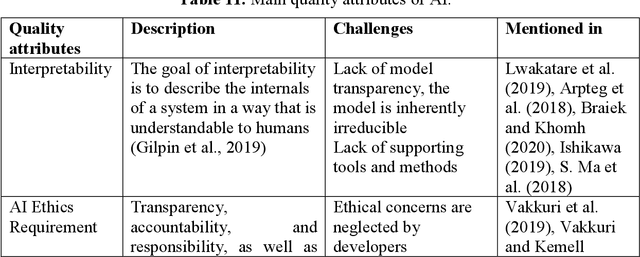
Artificial Intelligence (AI) or Machine Learning (ML) systems have been widely adopted as value propositions by companies in all industries in order to create or extend the services and products they offer. However, developing AI/ML systems has presented several engineering problems that are different from those that arise in, non-AI/ML software development. This study aims to investigate how software engineering (SE) has been applied in the development of AI/ML systems and identify challenges and practices that are applicable and determine whether they meet the needs of professionals. Also, we assessed whether these SE practices apply to different contexts, and in which areas they may be applicable. We conducted a systematic review of literature from 1990 to 2019 to (i) understand and summarize the current state of the art in this field and (ii) analyze its limitations and open challenges that will drive future research. Our results show these systems are developed on a lab context or a large company and followed a research-driven development process. The main challenges faced by professionals are in areas of testing, AI software quality, and data management. The contribution types of most of the proposed SE practices are guidelines, lessons learned, and tools.