 Add to Chrome
 Add to Firefox
 Add to Edge
Dissecting AI Trading: Behavioral Finance and Market Bubbles
Apr 20, 2026
We study how AI agents form expectations and trade in experimental asset markets. Using a simulated open-call auction populated by autonomous Large Language Model (LLM) agents, we document three main findings. First, AI agents exhibit classic behavioral patterns: a pronounced disposition effect and recency-weighted extrapolative beliefs. Second, these individual-level patterns aggregate into equilibrium dynamics that replicate classic experimental findings (Smith et al., 1988), including the predictive power of excess demand for future prices and the positive relationship between disagreement and trading volume. Third, by analyzing the agents' reasoning text through a twenty-mechanism scoring framework, we show that targeted prompt interventions causally amplify or suppress specific behavioral mechanisms, significantly altering the magnitude of market bubbles.

How Ethical Should AI Be? How AI Alignment Shapes the Risk Preferences of LLMs
Jun 03, 2024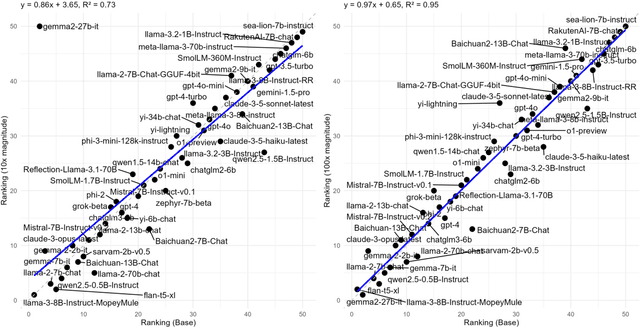
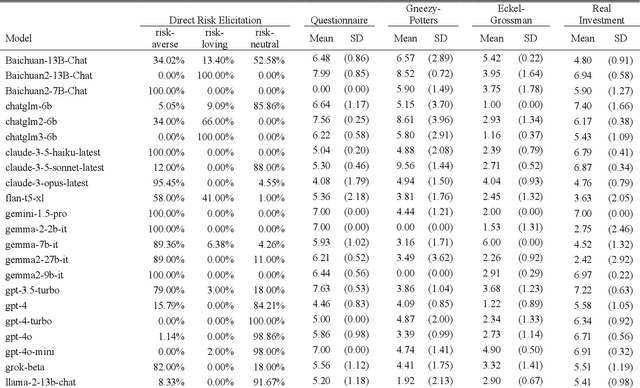
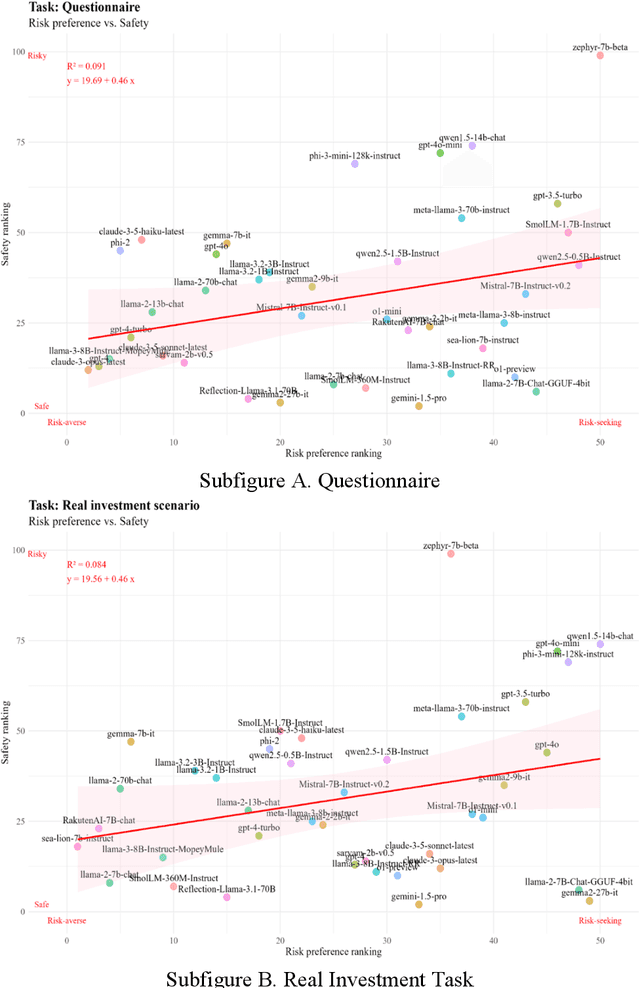

This study explores the risk preferences of Large Language Models (LLMs) and how the process of aligning them with human ethical standards influences their economic decision-making. By analyzing 30 LLMs, we uncover a broad range of inherent risk profiles ranging from risk-averse to risk-seeking. We then explore how different types of AI alignment, a process that ensures models act according to human values and that focuses on harmlessness, helpfulness, and honesty, alter these base risk preferences. Alignment significantly shifts LLMs towards risk aversion, with models that incorporate all three ethical dimensions exhibiting the most conservative investment behavior. Replicating a prior study that used LLMs to predict corporate investments from company earnings call transcripts, we demonstrate that although some alignment can improve the accuracy of investment forecasts, excessive alignment results in overly cautious predictions. These findings suggest that deploying excessively aligned LLMs in financial decision-making could lead to severe underinvestment. We underline the need for a nuanced approach that carefully balances the degree of ethical alignment with the specific requirements of economic domains when leveraging LLMs within finance.