 Add to Chrome
 Add to Firefox
 Add to Edge
Attribution-Driven Explainable Intrusion Detection with Encoder-Based Large Language Models
Apr 07, 2026
Software-Defined Networking (SDN) improves network flexibility but also increases the need for reliable and interpretable intrusion detection. Large Language Models (LLMs) have recently been explored for cybersecurity tasks due to their strong representation learning capabilities; however, their lack of transparency limits their practical adoption in security-critical environments. Understanding how LLMs make decisions is therefore essential. This paper presents an attribution-driven analysis of encoder-based LLMs for network intrusion detection using flow-level traffic features. Attribution analysis demonstrates that model decisions are driven by meaningful traffic behavior patterns, improving transparency and trust in transformer-based SDN intrusion detection. These patterns align with established intrusion detection principles, indicating that LLMs learn attack behavior from traffic dynamics. This work demonstrates the value of attribution methods for validating and trusting LLM-based security analysis.

A Hybrid Evolutionary Approach to Solve University Course Allocation Problem
Nov 15, 2022
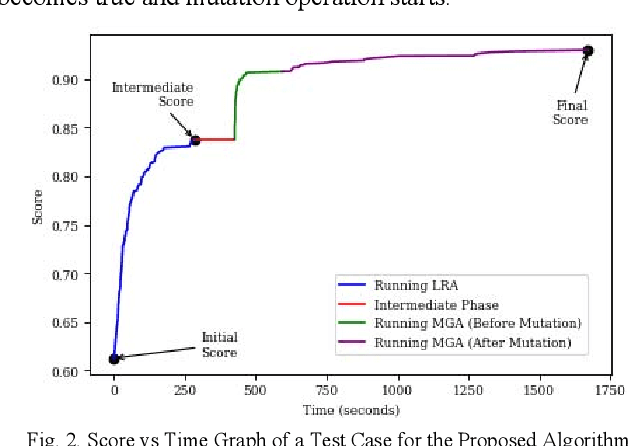
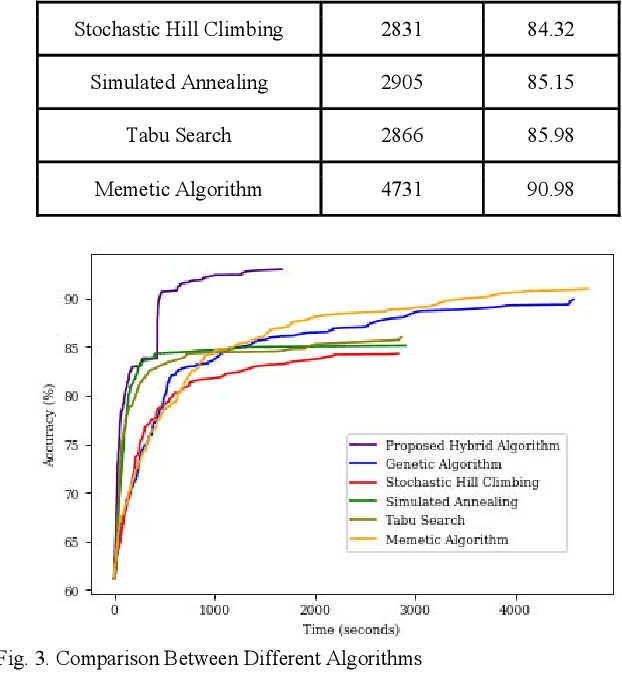
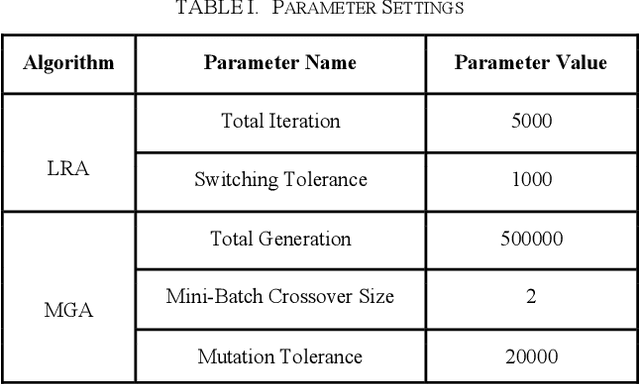
This paper discusses various types of constraints, difficulties and solutions to overcome the challenges regarding university course allocation problem. A hybrid evolutionary algorithm has been defined combining Local Repair Algorithm and Modified Genetic Algorithm to generate the best course assignment. After analyzing the collected dataset, all the necessary constraints were formulated. These constraints manage to cover the aspects needed to be kept in mind while preparing clash free and efficient class schedules for every faculty member. The goal is to generate an optimized solution which will fulfill those constraints while maintaining time efficiency and also reduce the workload of handling this task manually. The proposed algorithm was compared with some base level optimization algorithms to show the better efficiency in terms of accuracy and time.