 Add to Chrome
 Add to Firefox
 Add to Edge
Audio Deepfake Detection in the Age of Advanced Text-to-Speech models
Jan 28, 2026
Recent advances in Text-to-Speech (TTS) systems have substantially increased the realism of synthetic speech, raising new challenges for audio deepfake detection. This work presents a comparative evaluation of three state-of-the-art TTS models--Dia2, Maya1, and MeloTTS--representing streaming, LLM-based, and non-autoregressive architectures. A corpus of 12,000 synthetic audio samples was generated using the Daily-Dialog dataset and evaluated against four detection frameworks, including semantic, structural, and signal-level approaches. The results reveal significant variability in detector performance across generative mechanisms: models effective against one TTS architecture may fail against others, particularly LLM-based synthesis. In contrast, a multi-view detection approach combining complementary analysis levels demonstrates robust performance across all evaluated models. These findings highlight the limitations of single-paradigm detectors and emphasize the necessity of integrated detection strategies to address the evolving landscape of audio deepfake threats.

COVID-19 Pneumonia and Influenza Pneumonia Detection Using Convolutional Neural Networks
Dec 14, 2021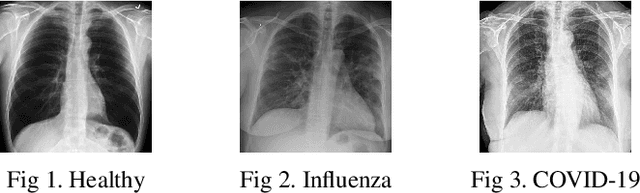
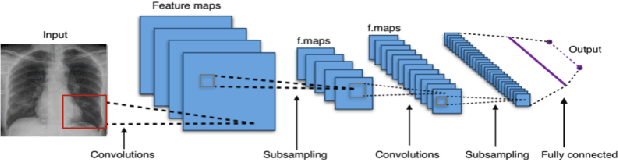
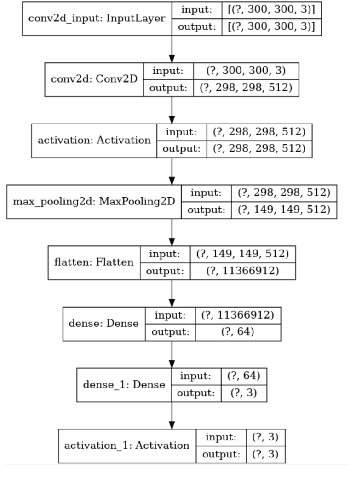
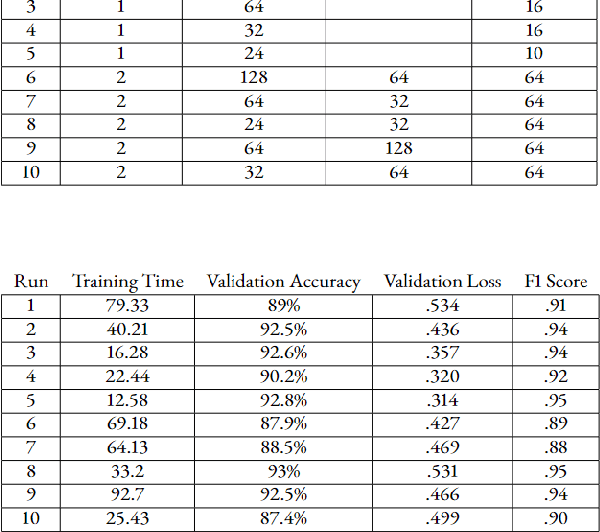
In the research, we developed a computer vision solution to support diagnostic radiology in differentiating between COVID-19 pneumonia, influenza virus pneumonia, and normal biomarkers. The chest radiograph appearance of COVID-19 pneumonia is thought to be nonspecific, having presented a challenge to identify an optimal architecture of a convolutional neural network (CNN) that would classify with a high sensitivity among the pulmonary inflammation features of COVID-19 and non-COVID-19 types of pneumonia. Rahman (2021) states that COVID-19 radiography images observe unavailability and quality issues impacting the diagnostic process and affecting the accuracy of the deep learning detection models. A significant scarcity of COVID-19 radiography images introduced an imbalance in data motivating us to use over-sampling techniques. In the study, we include an extensive set of X-ray imaging of human lungs (CXR) with COVID-19 pneumonia, influenza virus pneumonia, and normal biomarkers to achieve an extensible and accurate CNN model. In the experimentation phase of the research, we evaluated a variety of convolutional network architectures, selecting a sequential convolutional network with two traditional convolutional layers and two pooling layers with maximum function. In its classification performance, the best performing model demonstrated a validation accuracy of 93% and an F1 score of 0.95. We chose the Azure Machine Learning service to perform network experimentation and solution deployment. The auto-scaling compute clusters offered a significant time reduction in network training. We would like to see scientists across fields of artificial intelligence and human biology collaborating and expanding on the proposed solution to provide rapid and comprehensive diagnostics, effectively mitigating the spread of the virus