 Add to Chrome
 Add to Firefox
 Add to Edge
Raspberry PI for compact autonomous home farm control
Jul 06, 2021


This manuscript presented an autonomous home farm for predicting metrological characteristics that can not only automate the process of growing crops but also, due to a neural network, significantly increase the productivity of the farm. The developed farm monitors and manages the following indicators: illumination, soil PH, air temperature, ground temperature, air humidity, CO2 concentration, and soil moisture. The presented farm can also be considered as a device for testing various weather conditions to determine the optimal temperature characteristics for different crops. This farm as a result is completely autonomous grows tomatoes at home.

Low-cost Stereovision system for few dollars
Jun 02, 2021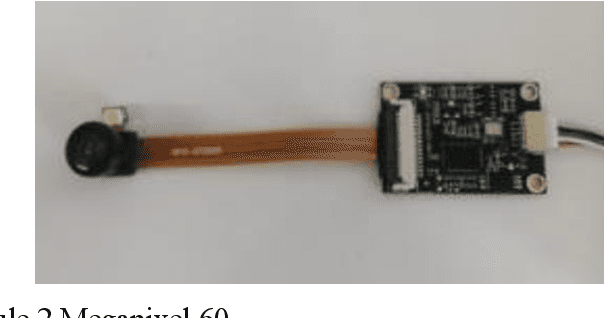

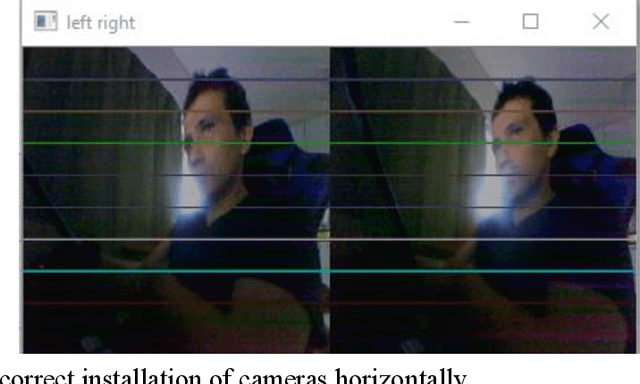
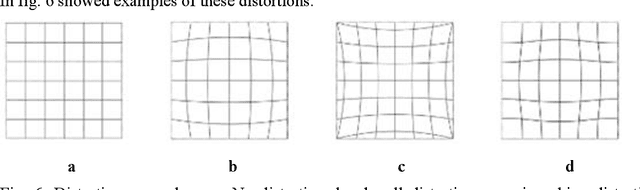
The paper presents an analysis of the latest developments in the field of stereo vision in the low-cost segment, both for prototypes and for industrial designs. We described the theory of stereo vision and presented information about cameras and data transfer protocols and their compatibility with various devices. The theory in the field of image processing for stereo vision processes is considered and the calibration process is described in detail. Ultimately, we presented the developed stereo vision system and provided the main points that need to be considered when developing such systems. The final, we presented software for adjusting stereo vision parameters in real-time in the python language in the Windows operating system.
Dataset for eye-tracking tasks
Jun 01, 2021


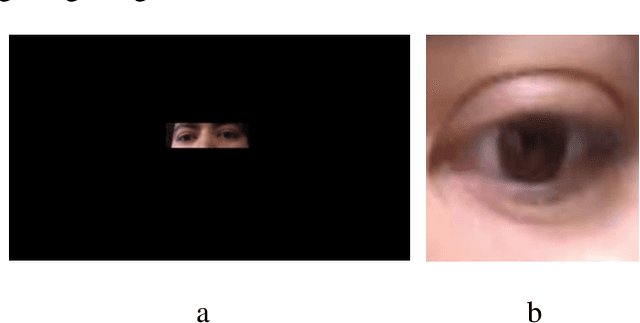
In recent years many different deep neural networks were developed, but due to a large number of layers in deep networks, their training requires a long time and a large number of datasets. Today is popular to use trained deep neural networks for various tasks, even for simple ones in which such deep networks are not required. The well-known deep networks such as YoloV3, SSD, etc. are intended for tracking and monitoring various objects, therefore their weights are heavy and the overall accuracy for a specific task is low. Eye-tracking tasks need to detect only one object - an iris in a given area. Therefore, it is logical to use a neural network only for this task. But the problem is the lack of suitable datasets for training the model. In the manuscript, we presented a dataset that is suitable for training custom models of convolutional neural networks for eye-tracking tasks. Using data set data, each user can independently pre-train the convolutional neural network models for eye-tracking tasks. This dataset contains annotated 10,000 eye images in an extension of 416 by 416 pixels. The table with annotation information shows the coordinates and radius of the eye for each image. This manuscript can be considered as a guide for the preparation of datasets for eye-tracking devices
RaspberryPI for mosquito neutralization by power laser
May 20, 2021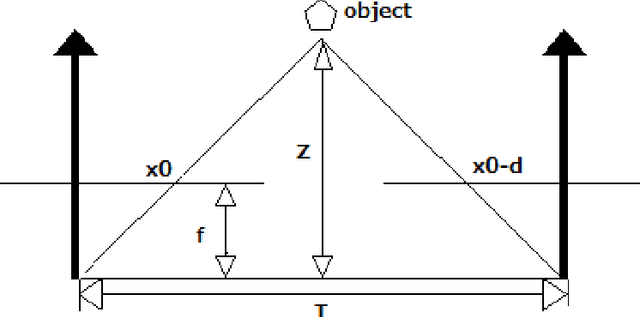
In this article for the first time, comprehensive studies of mosquito neutralization using machine vision and a 1 W power laser are considered. Developed laser installation with Raspberry Pi that changing the direction of the laser with a galvanometer. We developed a program for mosquito tracking in real. The possibility of using deep neural networks, Haar cascades, machine learning for mosquito recognition was considered. We considered in detail the classification problems of mosquitoes in images. A recommendation is given for the implementation of this device based on a microcontroller for subsequent use as part of an unmanned aerial vehicle. Any harmful insects in the fields can be used as objects for control.