 Add to Chrome
 Add to Firefox
 Add to Edge
Building Better Environments for Autonomous Cyber Defence
Apr 09, 2026
In November 2025, the authors ran a workshop on the topic of what makes a good reinforcement learning (RL) environment for autonomous cyber defence (ACD). This paper details the knowledge shared by participants both during the workshop and shortly afterwards by contributing herein. The workshop participants come from academia, industry, and government, and have extensive hands-on experience designing and working with RL and cyber environments. While there is now a sizeable body of literature describing work in RL for ACD, there is nevertheless a great deal of tradecraft, domain knowledge, and common hazards which are not detailed comprehensively in a single resource. With a specific focus on building better environments to train and evaluate autonomous RL agents in network defence scenarios, including government and critical infrastructure networks, the contributions of this work are twofold: (1) a framework for decomposing the interface between RL cyber environments and real systems, and (2) guidelines on current best practice for RL-based ACD environment development and agent evaluation, based on the key findings from our workshop.

Prospective Artificial Intelligence Approaches for Active Cyber Defence
Apr 20, 2021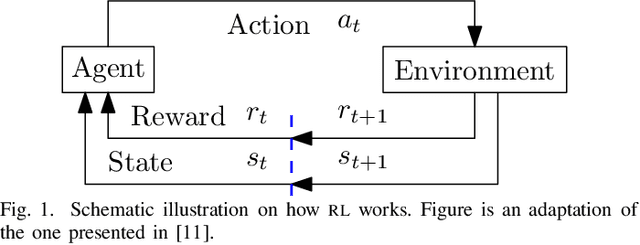
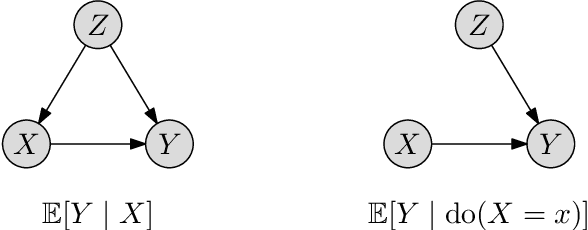
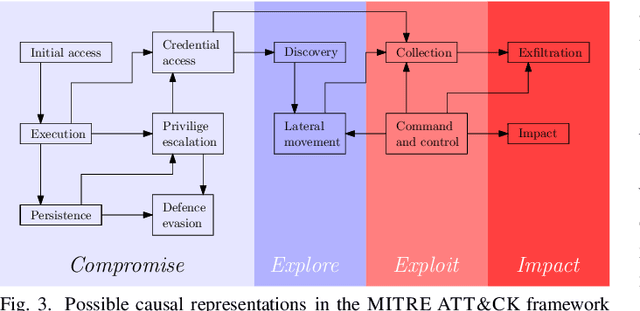
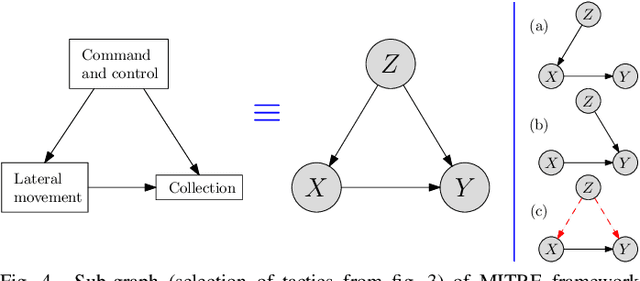
Cybercriminals are rapidly developing new malicious tools that leverage artificial intelligence (AI) to enable new classes of adaptive and stealthy attacks. New defensive methods need to be developed to counter these threats. Some cybersecurity professionals are speculating AI will enable corresponding new classes of active cyber defence measures -- is this realistic, or currently mostly hype? The Alan Turing Institute, with expert guidance from the UK National Cyber Security Centre and Defence Science Technology Laboratory, published a research roadmap for AI for ACD last year. This position paper updates the roadmap for two of the most promising AI approaches -- reinforcement learning and causal inference - and describes why they could help tip the balance back towards defenders.