 Add to Chrome
 Add to Firefox
 Add to Edge
Human Digital Twins in Personalized Healthcare: An Overview and Future Perspectives
Mar 15, 2025
Digital twins (DTs) are redefining healthcare by paving the way for more personalized, proactive, and intelligent medical interventions. As the shift toward personalized care intensifies, there is a growing need for an individual's virtual replica that delivers the right treatment at the optimal time and in the most effective manner. The emerging concept of a Human Digital Twin (HDT) holds the potential to revolutionize the traditional healthcare system much like digital twins have transformed manufacturing and aviation. An HDT mirrors the physical entity of a human body through a dynamic virtual model that continuously reflects changes in molecular, physiological, emotional, and lifestyle factors. This digital representation not only supports remote monitoring, diagnosis, and prescription but also facilitates surgery, rehabilitation, and overall personalized care, thereby relieving pressure on conventional healthcare frameworks. Despite its promising advantages, there are considerable research challenges to overcome as HDT technology evolves. In this study, I will initially delineate the distinctions between traditional digital twins and HDTs, followed by an exploration of the networking architecture integral to their operation--from data acquisition and communication to computation, management, and decision-making--thereby offering insights into how these innovations may reshape the modern healthcare industry.

RUMC: A Rule-based Classifier Inspired by Evolutionary Methods
Dec 10, 2024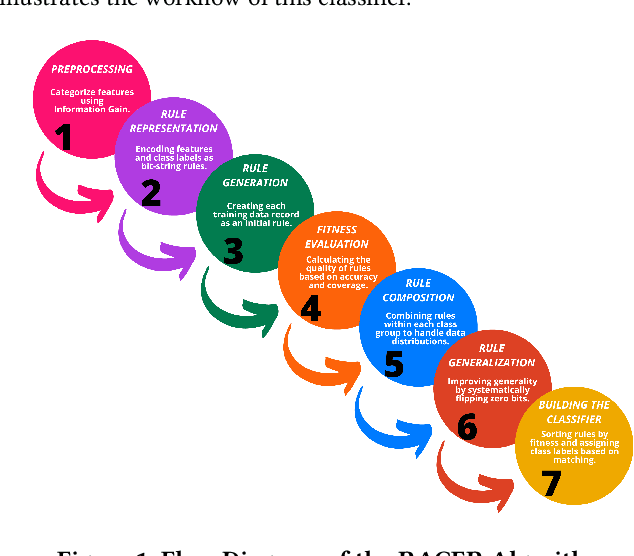
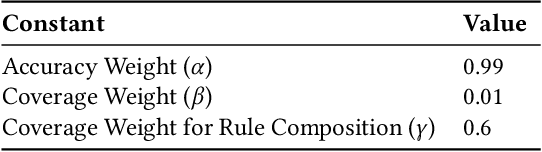

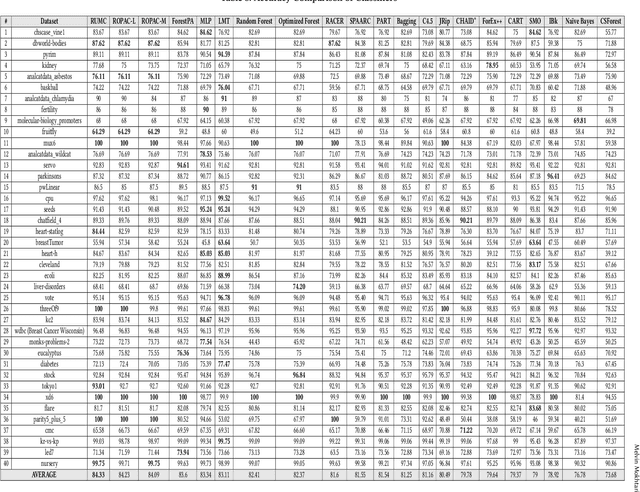
As the field of data analysis grows rapidly due to the large amounts of data being generated, effective data classification has become increasingly important. This paper introduces the RUle Mutation Classifier (RUMC), which represents a significant improvement over the Rule Aggregation ClassifiER (RACER). RUMC uses innovative rule mutation techniques based on evolutionary methods to improve classification accuracy. In tests with forty datasets from OpenML and the UCI Machine Learning Repository, RUMC consistently outperformed twenty other well-known classifiers, demonstrating its ability to uncover valuable insights from complex data.
The Impact of Twitter Sentiments on Stock Market Trends
Feb 14, 2023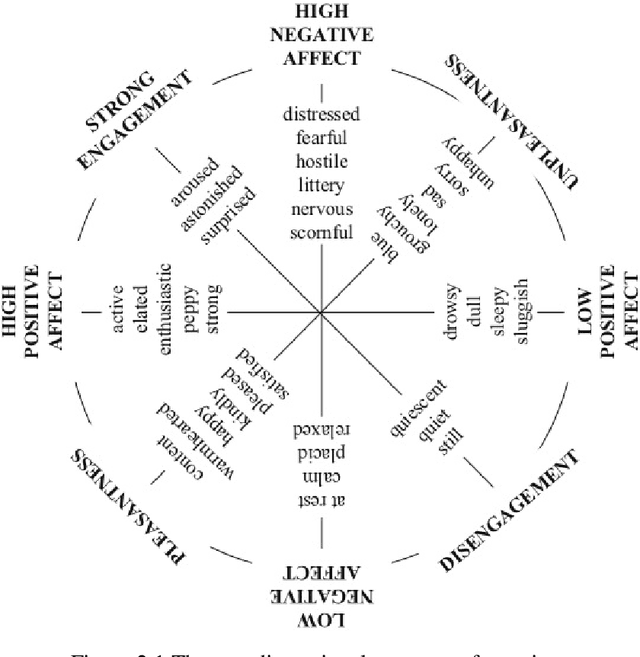

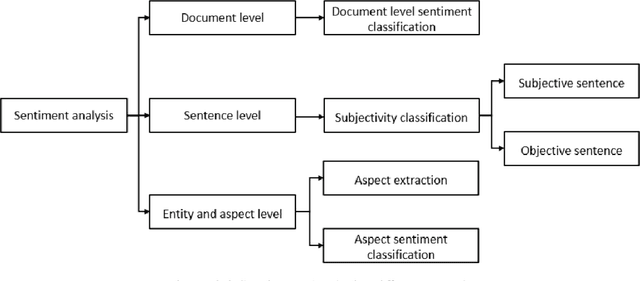
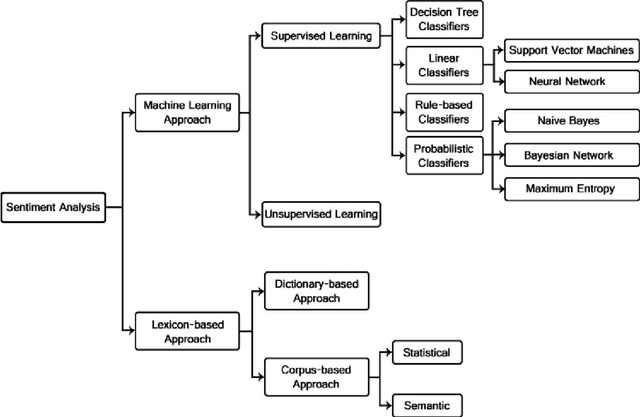
The Web is a vast virtual space where people can share their opinions, impacting all aspects of life and having implications for marketing and communication. The most up-to-date and comprehensive information can be found on social media because of how widespread and straightforward it is to post a message. Proportionately, they are regarded as a valuable resource for making precise market predictions. In particular, Twitter has developed into a potent tool for understanding user sentiment. This article examines how well tweets can influence stock symbol trends. We analyze the volume, sentiment, and mentions of the top five stock symbols in the S&P 500 index on Twitter over three months. Long Short-Term Memory, Bernoulli Na\"ive Bayes, and Random Forest were the three algorithms implemented in this process. Our study revealed a significant correlation between stock prices and Twitter sentiment.