 Add to Chrome
 Add to Firefox
 Add to Edge
Flaws in the LLM Automation Narrative
Jun 09, 2026
Large Language Models (LLMs) are increasingly described as performing at the level of human experts on knowledge economy tasks. These claims are primarily based on how LLMs perform on benchmarking tasks that measure average performance across standardized datasets. Primary limitations of many benchmarking tasks are that they often measure performance based on content directly included in LLM training data, and they frequently do not assess the reliability of LLM performance or the magnitude of LLM errors. However, in high stakes contexts, these qualities are critically important. Through a novel LLM benchmarking task that requires writing computer code to complete a data analysis task, we compare the performance of a frontier LLM against submissions from human experts and explicitly measure the variance of responses and the magnitude of errors. Our study reveals that the human experts perform better on average on a range of metrics and demonstrate less variability in performance. Our results provide evidence that LLMs do not consistently perform at the level of human experts and demonstrate the importance of measuring variance and assessing error magnitude in LLM benchmark evaluations.

Automated versus do-it-yourself methods for causal inference: Lessons learned from a data analysis competition
Jul 20, 2018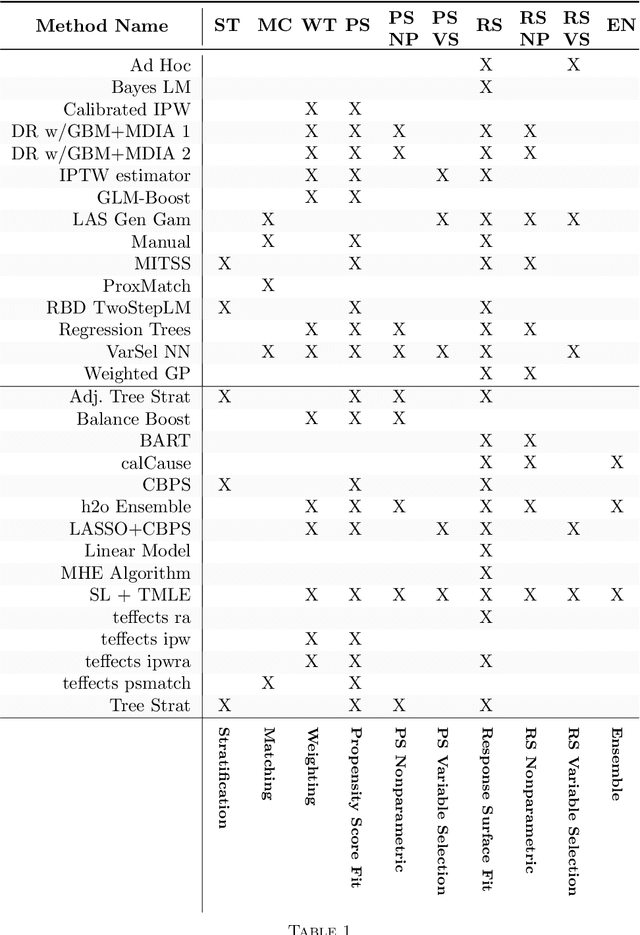
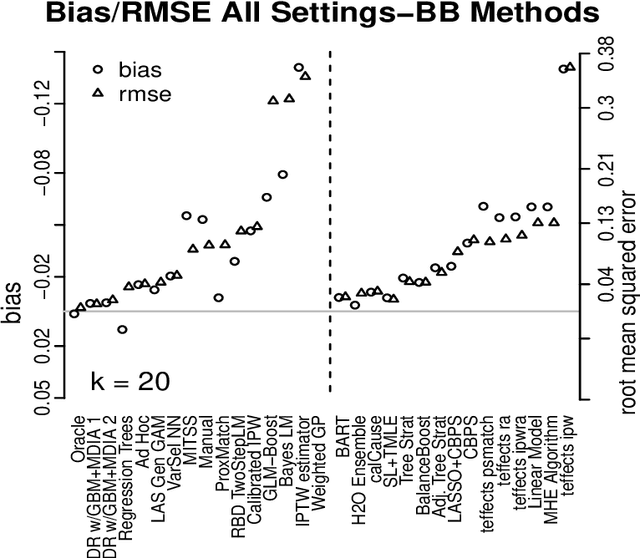

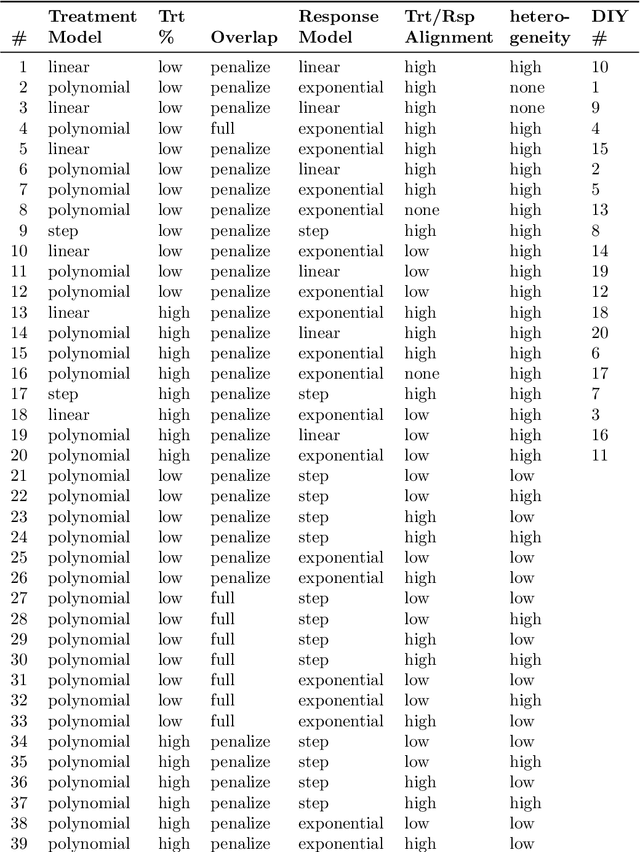
Statisticians have made great progress in creating methods that reduce our reliance on parametric assumptions. However this explosion in research has resulted in a breadth of inferential strategies that both create opportunities for more reliable inference as well as complicate the choices that an applied researcher has to make and defend. Relatedly, researchers advocating for new methods typically compare their method to at best 2 or 3 other causal inference strategies and test using simulations that may or may not be designed to equally tease out flaws in all the competing methods. The causal inference data analysis challenge, "Is Your SATT Where It's At?", launched as part of the 2016 Atlantic Causal Inference Conference, sought to make progress with respect to both of these issues. The researchers creating the data testing grounds were distinct from the researchers submitting methods whose efficacy would be evaluated. Results from 30 competitors across the two versions of the competition (black box algorithms and do-it-yourself analyses) are presented along with post-hoc analyses that reveal information about the characteristics of causal inference strategies and settings that affect performance. The most consistent conclusion was that methods that flexibly model the response surface perform better overall than methods that fail to do so. Finally new methods are proposed that combine features of several of the top-performing submitted methods.