 Add to Chrome
 Add to Firefox
 Add to Edge
Lowering the implementation barrier of neutral-atom quantum computing with agentic workflows
Jul 28, 2026
Quantum computers are moving from research laboratories to industrial machines accessible via the cloud and integrated into high-performance computing facilities. However, translating theoretical quantum protocols into hardware experiments remains a major bottleneck, requiring expertise across protocol design, compilation, simulation, and cloud execution. Here, we introduce an agentic workflow that automates this pipeline on neutral-atom quantum processors (here two Pasqal QPUs available on the cloud) while keeping the researcher in the loop for critical validation. In three case studies from many-body physics and optimization, the agent went from published paper or patent to a QPU campaign run overnight. In particular, human intervention was crucial to ensure scientific validity: the agent selected an inadequate observable in one experiment and constructed a plausible but incorrect hardware diagnosis in another, with both failures detected only through domain-expert review. Finally, we use a second agent to classify a corpus of 633 Rydberg-array arXiv papers and show that nearly half are implementable on present-day QPUs while identifying specific hardware upgrades needed for the rest. Together, these results demonstrate that agentic workflows provide a practical bridge between theoretical ideas and physical hardware, opening quantum experimentation to a much broader scientific community.

Financial Risk Management on a Neutral Atom Quantum Processor
Dec 06, 2022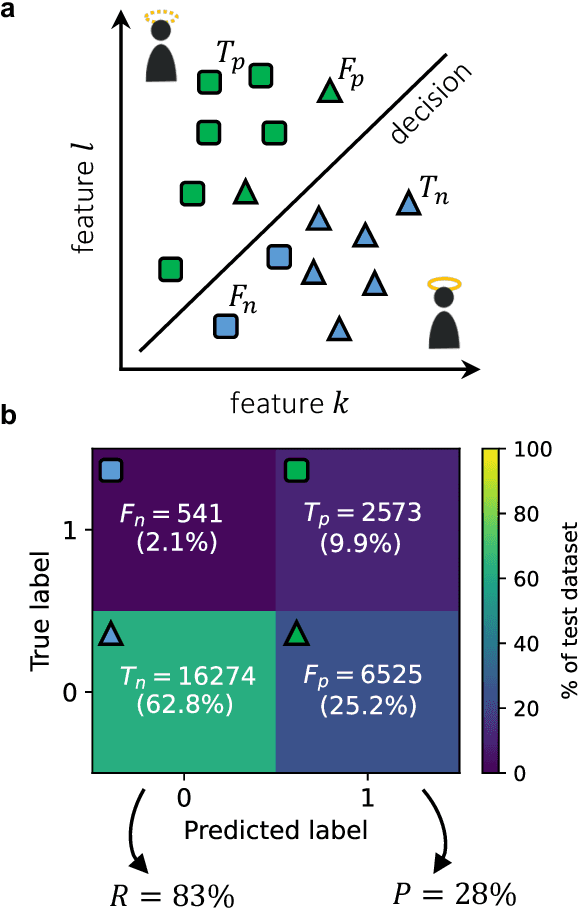
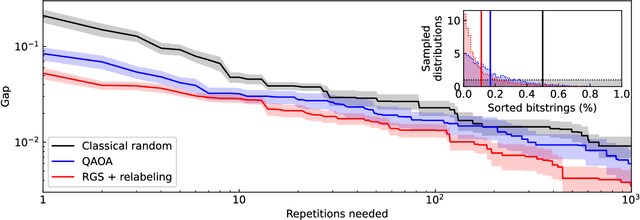
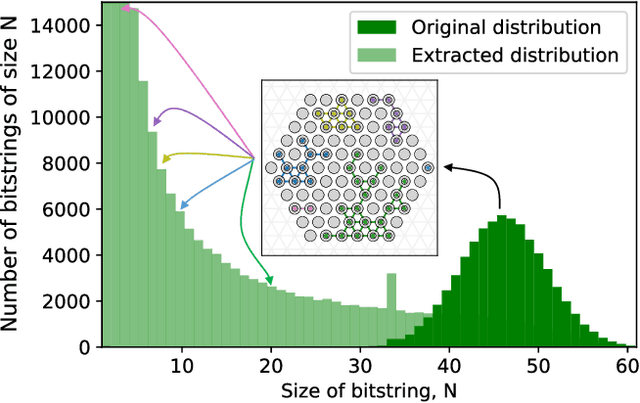
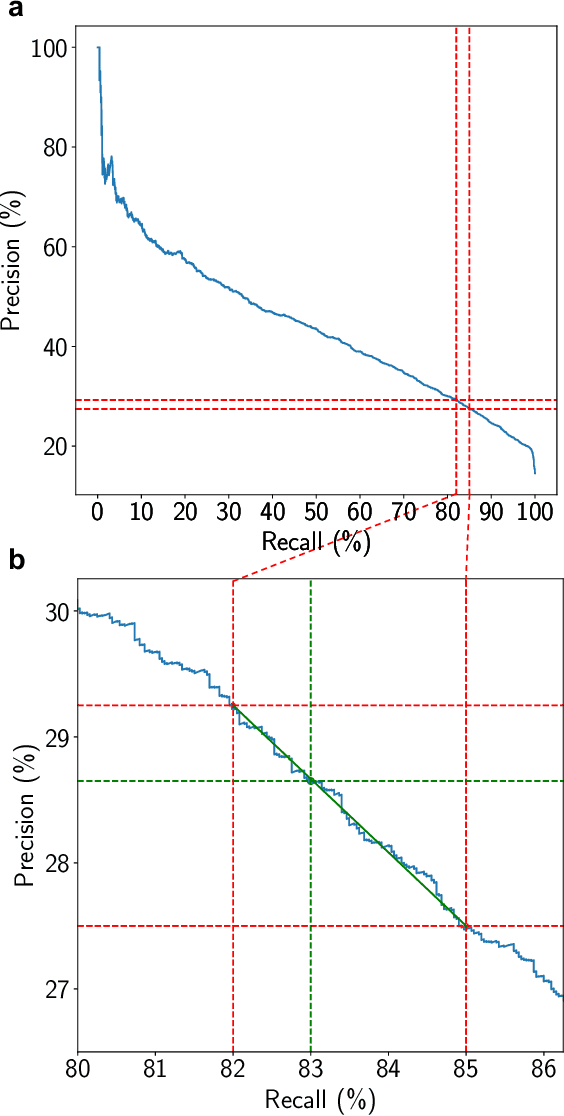
Machine Learning models capable of handling the large datasets collected in the financial world can often become black boxes expensive to run. The quantum computing paradigm suggests new optimization techniques, that combined with classical algorithms, may deliver competitive, faster and more interpretable models. In this work we propose a quantum-enhanced machine learning solution for the prediction of credit rating downgrades, also known as fallen-angels forecasting in the financial risk management field. We implement this solution on a neutral atom Quantum Processing Unit with up to 60 qubits on a real-life dataset. We report competitive performances against the state-of-the-art Random Forest benchmark whilst our model achieves better interpretability and comparable training times. We examine how to improve performance in the near-term validating our ideas with Tensor Networks-based numerical simulations.