 Add to Chrome
 Add to Firefox
 Add to Edge
Post Hoc Inference for Component Attribution in Multivariate Change-Point Detection
Jul 16, 2026
We consider the post-detection analysis of change-points for multivariate time series, with the goal of identifying which coordinates are responsible for a detected change. After a change-point has been located by an offline detection algorithm, we propose post hoc statistical procedures to determine whether the change occurs in either of two predefined blocks of coordinates or in both. Our methods rely on two-sample testing procedures with a particular focus on nonparametric tests; we provide theoretical guarantees for Type I error control. Simulations and a real-data experiment demonstrate the strong performance of the proposed procedures.

The group fused Lasso for multiple change-point detection
Jun 21, 2011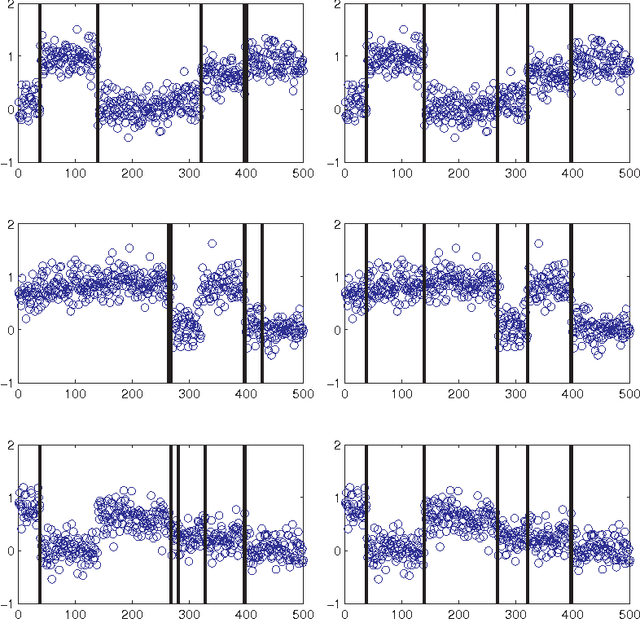
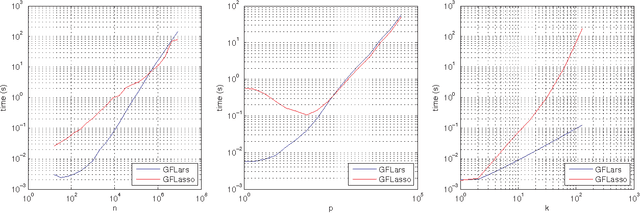
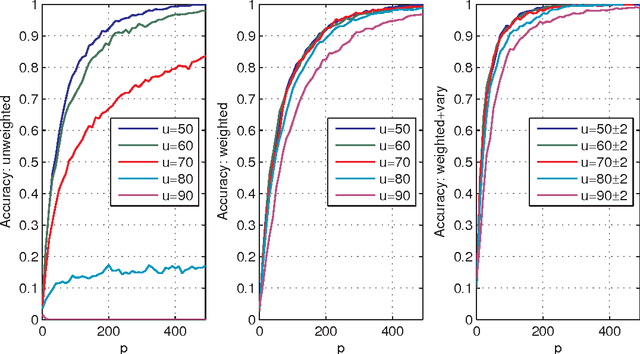
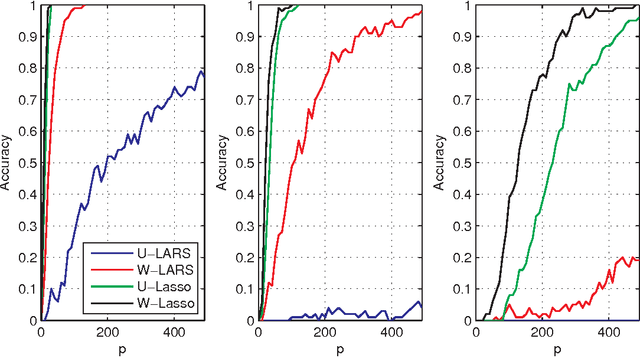
We present the group fused Lasso for detection of multiple change-points shared by a set of co-occurring one-dimensional signals. Change-points are detected by approximating the original signals with a constraint on the multidimensional total variation, leading to piecewise-constant approximations. Fast algorithms are proposed to solve the resulting optimization problems, either exactly or approximately. Conditions are given for consistency of both algorithms as the number of signals increases, and empirical evidence is provided to support the results on simulated and array comparative genomic hybridization data.